
24/7 Customer Support

Free returns

Same-day & Next-day Delivery

Quality Guaranteed

Unlock Your Welcome Offers: FREE Delivery | Up to 80% OFF | Free 30-day JoyPlus trial
Download the APP
As a dog owner in the UK, you want to provide your companion with engaging, safe and effective tools for play and development. Yet, the market for dog toys and training aids is flooded with options, many of which promise more than they deliver. It's easy to end up with a collection of broken plastic and a disappointed pup.
As the Joybuy Product Recommendation Officer, my role is to help you see past the marketing clutter. We will look at the common traps that lead to wasted money and highlight the key features that truly matter for your dog's well-being and your peace of mind.
Before you add another toy to your basket, be aware of these frequent issues:
To make a smarter purchase, focus on these non-negotiable parameters. They are the difference between a short-lived novelty and a long-term valuable tool.
The single most important factor is the material. Your dog will be chewing and licking this item, so its composition is paramount.
A tired dog is a happy dog, and that includes mental fatigue. A simple ball is great for a game of fetch, but what about when you're busy? This is where enrichment toys excel.
Different activities require different tools. Using the wrong toy can be ineffective and even unsafe.
Based on these practical criteria, here are a few products matched to specific types of dog owners.
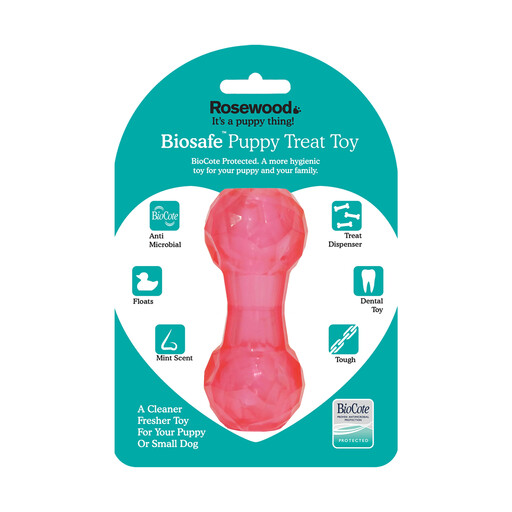
Why This Fits Their Persona: Perfect for a puppy's needs, this toy addresses teething discomfort with its textured surface while providing early mental stimulation through its treat-dispensing feature. It's a multi-purpose tool for a growing dog.
It counters the "vague safety" pitfall by being made from BPA-free, food-safe natural rubber, giving you confidence during those sharp-toothed teething months.
The hollow design can be filled with treats to encourage problem-solving. Its textured surface helps clean teeth and soothe gums.
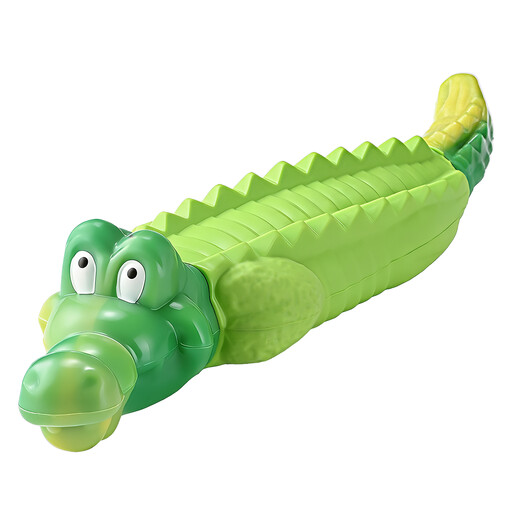
Why This Fits Their Persona: This toy is engineered for the strength of medium to large dogs. If you're tired of replacing toys weekly, its robust build is designed to withstand serious chewing sessions.
It directly tackles the "indestructible myth" by detailing its double-layered construction (nylon core, natural rubber exterior), offering a transparent reason for its durability rather than a vague promise.
The 3D textured crocodile shape is easy for larger dogs to grip. Its construction is suitable for intense fetch games and solo chewing.
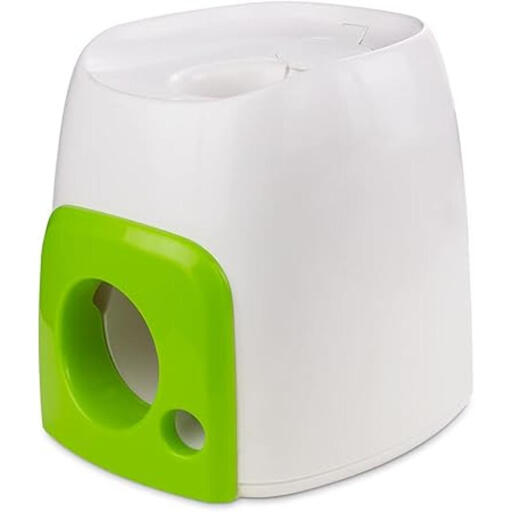
Why This Fits Their Persona: For owners who can't play fetch 24/7, this toy is a game-changer. It teaches your dog to play independently by rewarding them with a treat each time they return the ball to the machine, providing hours of self-directed fun.
It avoids the "over-hyped smart toy" trap by being entirely mechanical. With no batteries required, it offers reliable, engaging fun without the risk of electronic failure or the ongoing cost of replacements.
It combines physical exercise with mental reward, making it a highly effective enrichment tool. The separate treat-hiding spots add another layer of problem-solving.
We have compiled a complete, real-time list of products that fully satisfy these strict selection criteria and UK safety regulations.
There is no fixed timeline, as it depends on your dog's chewing intensity. The most important habit is to inspect toys daily for signs of wear. You should replace any toy immediately if you notice cracks, loose parts or pieces breaking off. For treat-dispensing toys, check that the openings haven't been chewed into sharp edges or enlarged to a point where they pose a choking hazard.
For many dogs, yes. Using puzzle feeders for dogs can be an excellent way to slow down fast eaters, prevent bloating and provide crucial mental enrichment. It transforms mealtime from a two-minute affair into a 15-minute brain game. Start with an easy puzzle to avoid frustration and always supervise your dog to ensure they are using it safely.
Puppy training treats are formulated specifically for young, growing dogs. They are typically much smaller, lower in calories and made with simple, highly digestible ingredients. Their small size is intentional, allowing you to reward your puppy frequently during a training session without significantly impacting their daily caloric intake or upsetting their sensitive stomach. Always check the packaging to confirm the appropriate starting age, which is often from 8 weeks onwards.