
24/7 Customer Support

Free returns

Same-day & Next-day Delivery

Quality Guaranteed

Unlock Your Welcome Offers: FREE Delivery | Up to 80% OFF | Free 30-day JoyPlus trial
Download the APP
By Joybuy Product Recommendation Officer
Choosing dog toys and beds should be about more than colour, price or a cheerful product photograph. A puppy may need a smaller, softer toy, while an older dog could benefit from supportive bedding. Meanwhile, an enthusiastic chewer can quickly damage a plush toy that was never designed for heavy use.
This guide highlights common buying traps, the specifications worth checking and suitable options for different UK households.
Marketing descriptions often use words such as “tough”, “long-lasting” or “chew-resistant”. These terms do not mean a toy cannot be torn apart. Plush toys, squeaky dog toys and rope toys should be selected according to your dog’s bite strength and play style.
Always check the safety instructions. If a seam opens, filling becomes exposed or a squeaker comes loose, remove the toy immediately. Even durable dog toys require supervision and regular inspection.
A listed measurement may describe the full outside dimensions, including bolsters. The actual sleeping area can be smaller. Measure your dog while lying in their usual position, then compare this with the internal cushion area.
For dogs that stretch out, a rectangular bed may be more practical. Dogs that curl up may prefer fluffy dog beds or donut dog beds with raised sides.
“Washable” can mean only spot cleaning, hand washing or removing a small cushion. Before purchasing, check whether the cover is removable, the washing temperature and whether the filling can go into a washing machine.
A bed that cannot dry fully may develop unpleasant odours. For UK homes with muddy walks and wet weather, removable covers and quick, thorough drying are particularly useful.
Measure your dog from nose to tail base and add room for movement. For a bed with raised sides, also consider whether your dog can comfortably step over the edge.
Orthopedic dog beds commonly use foam or structured filling to provide a more stable resting surface. Egg-carton foam, for example, has a shaped surface intended to distribute contact across the bed. It should not be treated as a medical product or a replacement for veterinary advice, but it may be a practical choice for senior dogs or dogs that prefer firmer support.
Raised edges can offer a place to rest the head and may suit dogs that like to curl up. However, very high bolsters may be inconvenient for small puppies or dogs with limited mobility.
Look for a removable, machine-washable cover with a reliable zip. Check the care instructions before buying:
A washable dog bed is easier to maintain when the cover comes off completely rather than when only the central pad is removable.
Toy size should match your dog’s mouth and jaw strength. A small toy designed for puppies or toys for small dogs may be unsuitable for a large breed. Conversely, an oversized toy may be difficult for a small dog to carry.
Consider the purpose:
For puppies, select toys without easily detached parts and inspect them frequently as their chewing habits change.
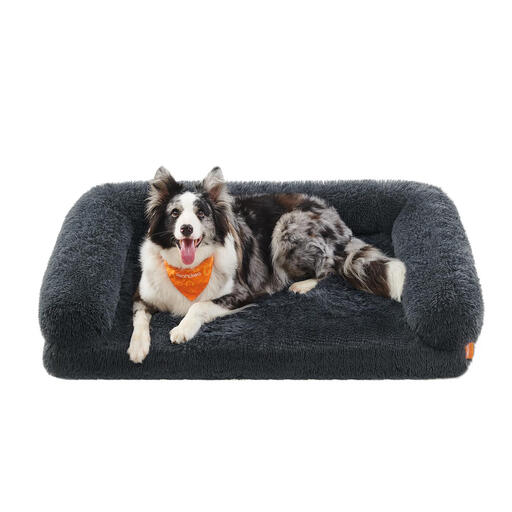
Why This Fits Their Persona: A practical option for adult or senior dogs that need a generous indoor resting area in a UK home.
The stated 106 x 80 x 23 cm size and removable outer cover make it easier to assess fit and manage cleaning than a bed described only as “large” or “easy-care”.
Egg-carton foam, raised sides and a plush PV cover. The cover is machine washable; the foam core should be cleaned separately.
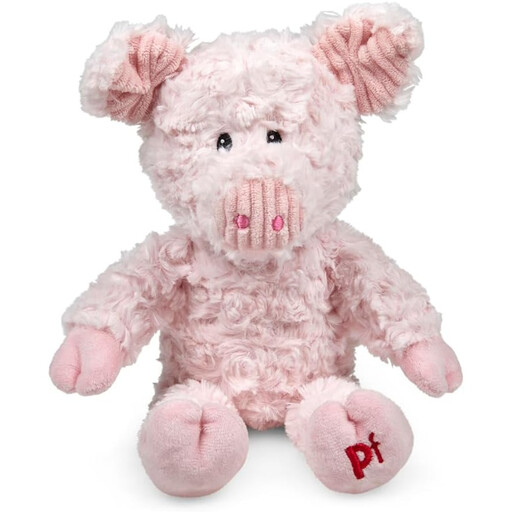
Why This Fits Their Persona: Suitable for puppy owners and small-breed households wanting several soft toys for rotation.
The approximately 15 cm size is stated clearly, helping reduce the risk of choosing a toy that is too large for small paws. It is not intended for large dogs or strong chewers.
Pack of three, polyester construction and built-in EVA squeakers. The toys can be wiped clean and air dried.
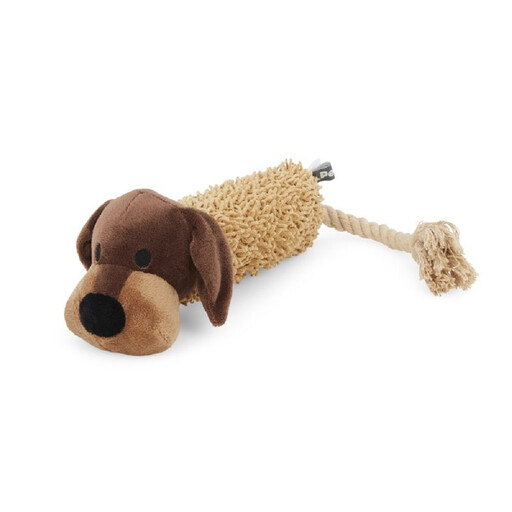
Why This Fits Their Persona: A multi-texture choice for dogs that enjoy fetch, gentle tugging, carrying and quieter cuddle time.
The listing identifies it as stuffing-free in the body and states that it is not indestructible, making the supervision requirement clear.
Soft shaggy fabric, a squeaker and a cotton-polyester rope tail. The textured tail may support chewing activity but is not a substitute for dental care.
We have compiled a complete, real-time list of products that fully satisfy these strict selection criteria and UK safety regulations.
There is no fixed lifespan. A gently used plush toy may last much longer than one used daily by a strong chewer. Bedding life depends on the dog’s weight, scratching habits, washing frequency and filling compression. Inspect products regularly rather than relying on a calendar replacement schedule.
Measure your dog while lying down, including the space used when they stretch. Add extra room for turning and consider the height of the bolsters. For a large bed such as a 106 x 80 cm model, compare the internal sleeping area with your dog’s preferred sleeping position before ordering.
No. Textured toys may provide chewing activity and some products are designed to contact the teeth, but they should not be presented as a replacement for brushing, routine checks or advice from a veterinary professional. Choose the correct size, supervise use and remove the toy if it becomes damaged.