
24/7 Customer Support

Free returns

Same-day & Next-day Delivery

Quality Guaranteed

Unlock Your Welcome Offers: FREE Delivery | Up to 80% OFF | Free 30-day JoyPlus trial
Download the APP
Choosing dog toys can seem straightforward until a squeaker comes loose, a plush toy is destroyed within minutes or a supposedly “dental” design is too hard for your dog’s mouth. For UK owners, the right choice depends less on attractive packaging and more on size, material, construction and your dog’s individual play habits.
This guide explains the common buying traps, the specifications worth checking and a selection of dog toys matched to different households.
No dog toy is indestructible. Terms such as “tough”, “strong” or “chew-resistant” do not guarantee that a toy will withstand an enthusiastic chewer. Plush dog toys can expose filling, seams or squeakers, while rubber and latex toys may split after repeated use.
Always inspect a toy before and after play. If it becomes cracked, torn or loose parts appear, remove it immediately. A toy that lasts longer for a gentle chewer may not be suitable for a powerful chewer.
A product described as suitable for “all breeds” may still be unsuitable for a large dog with a strong bite or a small puppy that can swallow loose parts. Jaw strength, body size, age and play style are more useful indicators than breed names alone.
Check the toy’s dimensions and warnings. A squeaky ball that is too small can create an ingestion risk, while an oversized toy may be difficult for a puppy or smaller dog to carry.
Textured chew toys may provide gentle contact with teeth and gums during play, but they should not be treated as a replacement for regular dental care. Avoid products that make unsupported health promises. The practical question is whether the texture is appropriate, the material is clearly stated and the toy can be removed easily if damaged.
For active chewing, look for clearly listed materials such as rubber, TPR, EVA or latex, while checking whether the product is intended for gentle, moderate or strong chewers. Plush toys made with polyester fabric and filling can be comfortable for carrying and cuddling, but they generally need closer supervision than a single-piece rubber toy.
Reinforced stitching, enclosed squeakers and securely attached rope sections can improve usability, but they do not remove the need for inspection. Toys with multiple materials or sound components may need replacing sooner if one section becomes exposed.
A toy should be large enough that your dog cannot swallow it, yet manageable enough to pick up, carry or grip. For puppies and small dogs, compact designs such as the approximately 15 cm Petface Little Peony Pig may be easier to handle, while larger dogs often need a more substantial shape.
Balls should also be checked for diameter, particularly if your dog tends to gulp objects. Choose fetch and tug toys with handles or shapes that allow you to maintain a safe distance from your dog’s teeth.
Different dog toys serve different purposes:
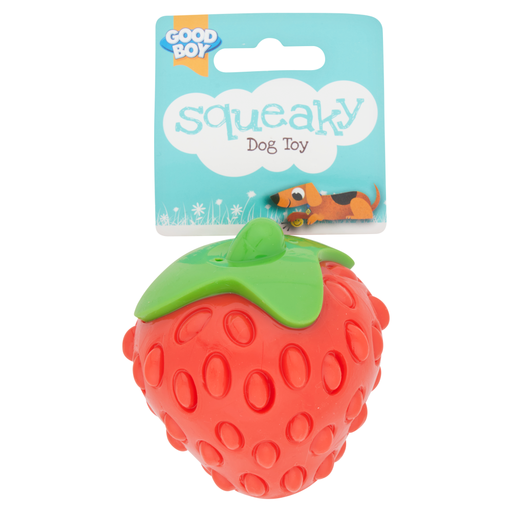
Why This Fits Their Persona: A lightweight option for owners introducing a puppy or adult dog to squeaky play, indoor fetch and short interactive sessions.
The description clearly advises supervision and replacement if worn, rather than presenting the toy as indestructible.
Rubber, fabric and squeaker construction; lightweight shape for carrying or throwing.
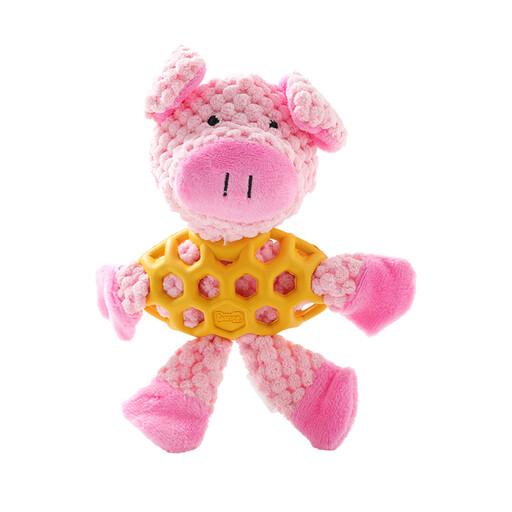
Why This Fits Their Persona: Suits owners seeking a soft comfort toy with mixed textures for supervised indoor play and carrying.
The product information states that it is not intended for aggressive chewers and gives specific signs for immediate replacement.
Thick corduroy, natural rubber, cotton filling and a built-in squeaker; spot-cleaning instructions are provided.
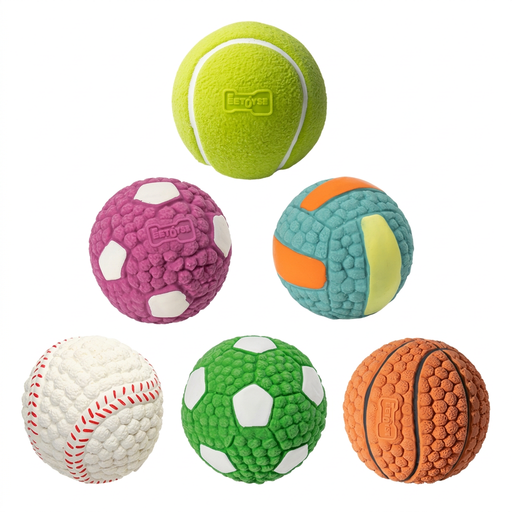
Why This Fits Their Persona: A practical choice for owners combining fetch, training, washable play and gentle chewing in one set.
Its stated suitability is for small to medium dogs and gentle to moderate chewers, helping buyers avoid overestimating its strength.
Soft latex construction, textured surface, built-in squeaker and washable design for regular use.
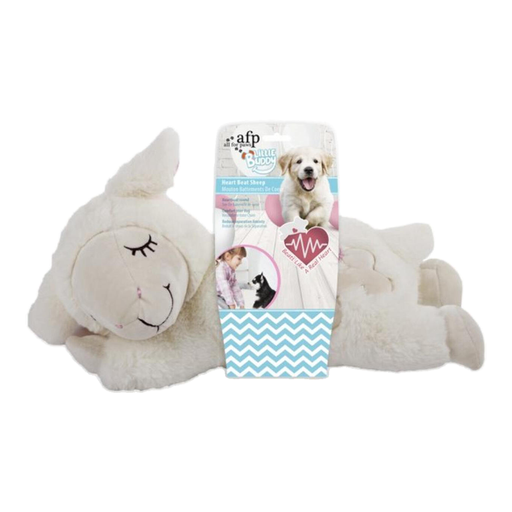
Why This Fits Their Persona: Designed for quiet time, bedtime and transitions when a new puppy is settling into a UK home.
The product is specifically marked as unsuitable for aggressive chewers, and the removable heartbeat unit must be taken out before washing.
Extra-soft plush fabric and a removable internal heartbeat unit for flexible use.
We have compiled a complete, real-time list of products that fully satisfy these strict selection criteria and UK safety regulations.
Choose soft, appropriately sized puppy toys that are easy to carry and suitable for gentle chewing. Comfort toys such as a heartbeat plush may be useful during settling periods, but they require supervision and are not suitable for aggressive chewers.
There is no fixed lifespan. A plush toy may need replacing after a short period if your dog pulls at seams, while a suitable rubber toy may remain usable for longer. Inspect toys regularly instead of relying on a stated durability claim.
Comfort toys, familiar scents and structured play may help some dogs settle, but toys are not a guaranteed solution for separation-related behaviour. For persistent distress, speak with a qualified veterinary professional or behaviourist. Always remove toys that your dog attempts to shred or swallow.