
24/7 Customer Support

Free returns

Same-day & Next-day Delivery

Quality Guaranteed

Unlock Your Welcome Offers: FREE Delivery | Up to 80% OFF | Free 30-day JoyPlus trial
Download the APP
Buying dog toys can look straightforward until a squeaker fails, fabric starts shedding or a supposedly “durable” toy is unsuitable for a powerful chewer. UK owners also need to consider indoor space, muddy parks, colder weather and a dog’s changing needs from puppyhood to later life.
The right choice depends less on colourful packaging and more on construction, intended use, size and supervision. This guide explains the main pitfalls, the specifications worth checking and a selection of dog toys for different households.
No dog toy is indestructible. A product may cope well with fetching or gentle chewing but fail quickly when used by a determined chewer. Tug toys for dogs, plush toys and rubber chew toys all have different limits.
Check whether the product is explicitly described as a chew toy. For example, some tug toys are designed for interactive pulling but are labelled not a chew toy. Using them for unsupervised chewing can damage stitching and create loose pieces.
A toy that looks suitable may be too small for a larger dog or difficult for a puppy to grip. Small parts, torn fabric, loose squeakers and damaged plastic can present choking or ingestion risks.
For dog toys for small dogs, choose a compact shape that can be carried without being swallowed. For larger breeds, look for a handle, ball or body size that is easy to retrieve but not small enough to lodge in the mouth.
Squeaky dog toys can encourage chasing and active play, but some dogs become fixated on removing the squeaker. Flashing toys may support visibility during low-light play, while heartbeat or warming features may provide a comforting presence for some puppies. These features should not be treated as guaranteed solutions for anxiety or behaviour concerns.
Always consider your dog’s response. A quieter plush toy, supervised interactive game or treat dispensing dog toy may be more suitable than a loud or battery-operated option.
Look for clear material information, such as rubber, reinforced synthetic fabric, polyester plush or nylon. Double stitching and reinforced sections can be useful for tugging and fetching, but they do not remove the need for regular inspection.
For dog chew toys, follow the intended use carefully. A bamboo and nylon chew design may suit puppies that enjoy gnawing, but it still needs supervision and replacement when worn. Avoid toys with sharp edges, splintering, cracks or loose components.
The toy should match your dog’s mouth size, jaw strength and play style. A small dog may benefit from a compact plush toy or lightweight ball, while an active larger dog may need a bigger fetch toy that is easy to see and retrieve.
For puppies, choose manageable shapes and introduce new toys gradually. Senior dogs may prefer soft, lightweight options or enrichment toys that do not require excessive force.
Outdoor dog toys should be visible, easy to clean and suitable for grass or park play. Buoyant materials can be practical for water-based games, while glow or flashing features may help during darker evenings.
Check cleaning instructions before buying. Plush dog toys may need wiping and air drying, while treat dispensing toys should be cleaned regularly to prevent food residue. Battery-operated products require additional care: inspect the battery compartment and dispose of batteries according to local requirements.
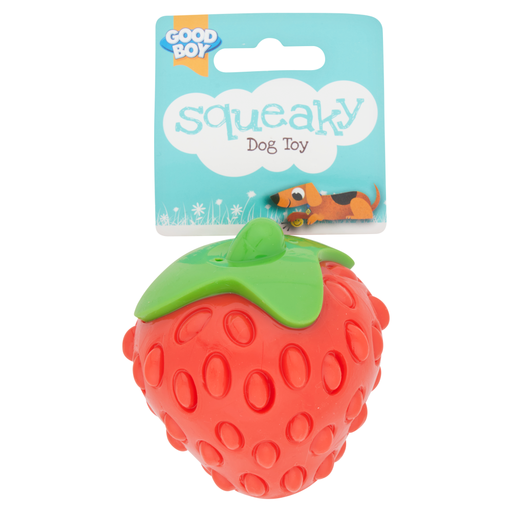
Why This Fits Their Persona: A lightweight option for owners building a simple toy collection for indoor play, short fetch games or supervised independent entertainment.
Its intended uses include fetch and solo play, but supervision and replacement when damaged remain important.
Squeaker encourages engagement; lightweight shape is easy to carry and throw.
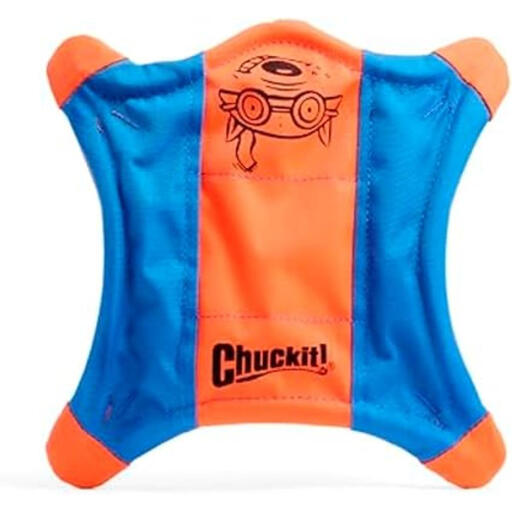
Why This Fits Their Persona: A considered choice for owners who prioritise outdoor exercise, park games and a toy that is easy for a dog to retrieve.
The product is described for fetch rather than as a chew toy, making the intended use clearer.
Curved sides support retrieval; glow-in-the-dark material can improve visibility in low light.
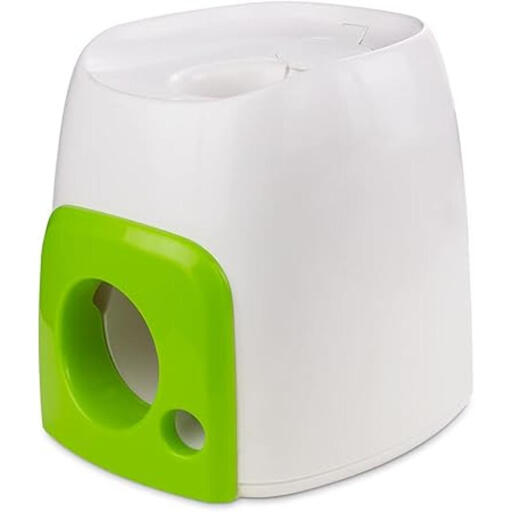
Why This Fits Their Persona: Suitable for owners looking to add problem-solving and food-based enrichment to a busy household routine.
It has defined treat compartments and a ball-triggered hatch, rather than relying only on novelty or noise.
Battery-free operation; combines fetch with treat dispensing and exploration.
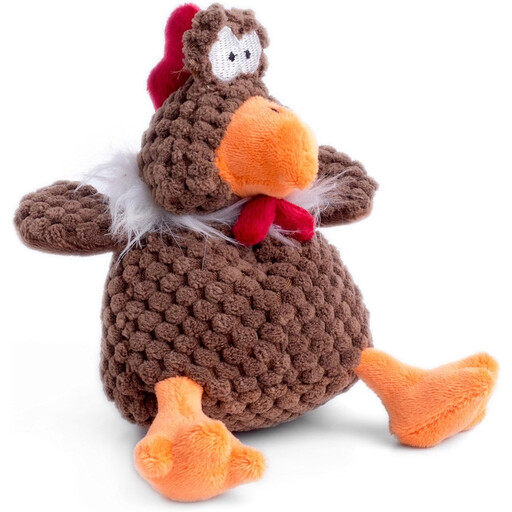
Why This Fits Their Persona: Compact plush toys suit puppies and smaller, quieter dogs that enjoy carrying, nuzzling and gentle indoor play.
Its compact format is intended for puppies and smaller dogs, with clear warnings against aggressive chewing.
Pack of three supports rotation; soft polyester construction includes an EVA squeaker.
We have compiled a complete, real-time list of products that fully satisfy these strict selection criteria and UK safety regulations.
There is no fixed lifespan. Replace a toy as soon as it becomes damaged, develops sharp edges, exposes filling or has loose components. A gently used plush toy may last longer than a frequently chewed rubber or fabric toy, so condition matters more than purchase date.
They can be suitable for supervised play, provided the size is appropriate and the puppy cannot easily remove the squeaker. Puppies that tear fabric or fixate on internal parts should use squeaky toys only during direct interaction.
The toy itself does not usually require electricity, but you will need suitable treats or a portion of your dog’s normal food. Account for treats in the daily diet and choose pieces that fit the dispenser. Battery-free designs avoid ongoing battery replacement, while electronic or flashing dog toys may require safe battery disposal when their power source ends.