
24/7 Customer Support

Free returns

Same-day & Next-day Delivery

Quality Guaranteed

Unlock Your Welcome Offers: FREE Delivery | Up to 80% OFF | Free 30-day JoyPlus trial
Download the APP
Choosing suitable dog toys is not simply a matter of picking the most colourful option on the shelf. A toy that suits a small puppy may be unsuitable for a powerful adult chewer, while a soft squeaky toy can be quickly destroyed by a dog that prefers vigorous tugging.
For UK dog owners, the right purchase should match your dog’s size, age, chewing strength and preferred type of play. It should also be easy to inspect, clean and replace when it becomes worn.
Marketing descriptions often use terms such as “tough”, “long-lasting” or “chew-resistant”. These are not guarantees that a toy will withstand every dog. A rubber fetch ball may be suitable for repeated throwing but still be labelled not a chew toy. Similarly, a latex squeaky toy may suit gentle play but not a dog that bites through fabric or rubber.
Always read the warnings and match the toy to your dog’s chewing habits. No toy should be left with a dog that is likely to remove and swallow pieces.
A “small dog” toy may still be too large for a young puppy, while a toy designed for smaller breeds may present a choking or breakage risk when used by a large dog. Check the actual dimensions, material and recommended weight range rather than relying only on breed categories.
Treat dispensing toys, outdoor dog toys and textured dental chew toys for dogs can collect food, saliva, mud or grass. If a toy cannot be cleaned properly, it may become impractical. Likewise, a squeaker, battery compartment or loose seam can become a hazard once damaged. Regular inspection is part of responsible use, not an optional extra.
The material should fit the activity:
A manufacturer’s warning such as “not a chew toy” should be taken literally.
The toy should be large enough that your dog cannot easily swallow it, but manageable enough to carry and grip. Check:
For puppies, choose puppy toys with an appropriate size and softer bite profile, then reassess as the dog grows.
Different toys support different routines:
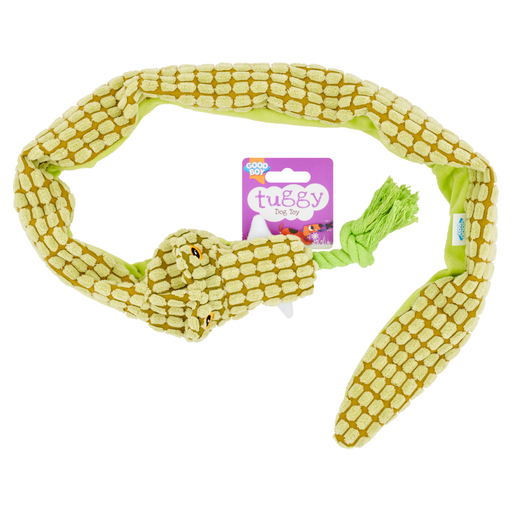
Why This Fits Their Persona: A lightweight option for owners introducing structured tugging and interactive play at home or outdoors.
Its description clearly identifies it as an interactive tug toy rather than a dedicated chew toy, helping set realistic expectations.
Durable synthetic fabric, reinforced stitching and a lightweight grip for owner-led play.

Why This Fits Their Persona: Suitable for owners seeking a reusable food-based activity for small to medium dogs and puppies.
The product specifies natural rubber, BPA-free construction, cleaning guidance and a maximum 20-minute session.
Hollow design for kibble or treats, textured surface and a removable cap for easier filling.
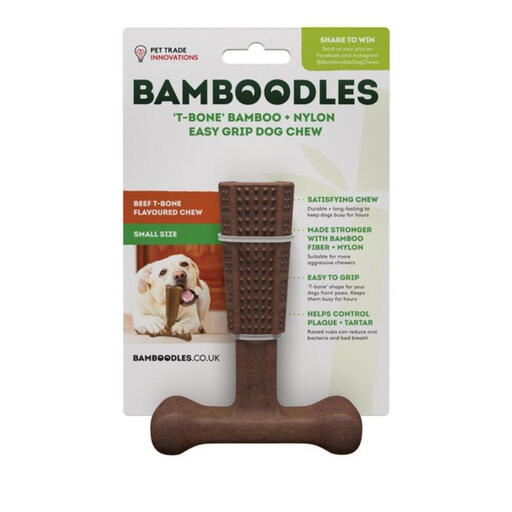
Why This Fits Their Persona: A compact option for small dogs over 10 weeks that show a strong interest in chewing.
It states the intended size and age clearly, while warning owners to supervise and prevent ingestion.
Bamboo fibre and nylon construction, T-bone grip shape and raised nubs for textured chewing.
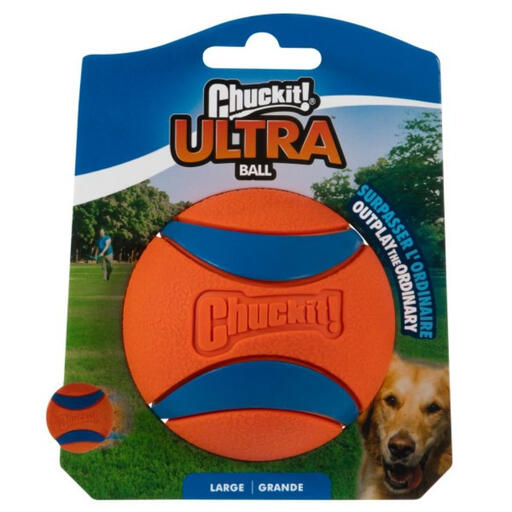
Why This Fits Their Persona: Designed for owners who regularly visit parks, beaches or spacious gardens for active fetch sessions.
The listing specifies that it is a fetch ball rather than a chew toy and advises supervision and regular inspection.
7.3 cm size, high bounce, buoyancy, bright colouring and compatibility with launchers.
We have compiled a complete, real-time list of products that fully satisfy these strict selection criteria and UK safety regulations.
There is no universal replacement interval. Inspect toys before and after use, looking for cracks, tears, exposed squeakers, loose threads, deep bite marks or detached pieces. Replace the toy immediately when damage could allow swallowing, even if it has only been used for a short time.
Some are, provided the product specifically allows puppy use and the size is appropriate. Start with a small amount of soft food or easy-to-release kibble, supervise the first sessions and follow the stated time limit. Account for treats within your puppy’s normal daily food intake.
Some products are suitable for both settings, but check the product directions. Outdoor dog toys should be cleaned after contact with mud, grass or water and dried thoroughly. Toys containing lights, squeakers or fabric may require additional care and should not be left outside in damp conditions.