
24/7 Customer Support

Free returns

Same-day & Next-day Delivery

Quality Guaranteed

Unlock Your Welcome Offers: FREE Delivery | Up to 80% OFF | Free 30-day JoyPlus trial
Download the APP
Choosing suitable dog toys is not simply a matter of picking the most colourful option on the shelf. A toy that suits a young Labrador may be too large for a Chihuahua, while a soft squeaker can be quickly damaged by a powerful chewer. For UK dog owners, the practical priorities are size, material, play style and supervision.
The wrong choice can waste money or create avoidable risks. Use this guide to compare squeaky dog toys, durable dog chew toys, interactive dog toys and enrichment options before buying.
Marketing language can make a toy sound suitable for every dog, but no dog toy is indestructible. Latex, fabric and softer rubber may work well for gentle play, yet become damaged when used by aggressive chewers. Look for the recommended dog size and chewing strength rather than relying on a general durability statement.
Raised surfaces and textured materials may provide a chewing sensation and help remove some surface residue during play. However, a dental chew toy for dogs should not be treated as a substitute for veterinary advice or an established oral-care routine. Check whether the item is edible, partly edible or a non-food toy, and remove it if pieces loosen.
Low-cost dog toys may appear economical, but replacing several unsuitable toys can cost more than selecting one designed for the right purpose. Consider whether your dog prefers chasing, chewing, carrying, problem-solving or tugging. A toy that matches their natural play pattern is more likely to be used regularly.
The toy should be large enough that your dog cannot swallow it, but not so large that they cannot carry or grip it comfortably. Product dimensions are particularly important when comparing dog toys for small and large breeds.
Shapes such as bones, dumbbells and T-bones can offer useful grip points. Textured footballs and rubber dog toys may be easier to retrieve outdoors, but inspect any ridges or projections regularly.
Material should match the dog’s chewing behaviour:
A squeaker, rattle or grunting mechanism can increase interest, but it also creates a small-part hazard if the outer material is torn. Always remove a damaged toy promptly.
Select the toy according to how you want your dog to use it:
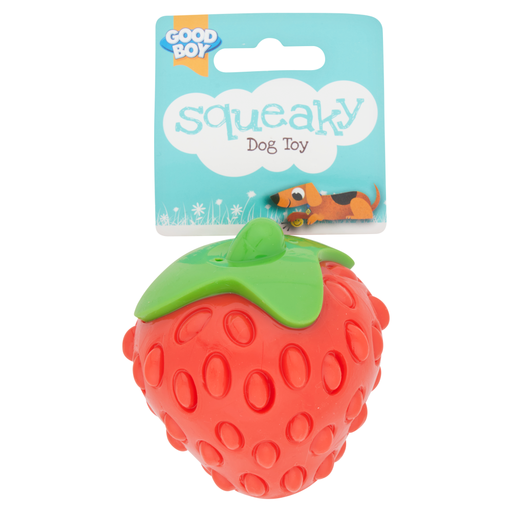
Why This Fits Their Persona: A lightweight option for owners introducing a dog to squeaky play, fetch or short indoor games.
Its intended uses and warning to supervise play make it clear that it is not an indestructible chew toy.
Squeaker for engagement; lightweight design for carrying and throwing.

Why This Fits Their Persona: A practical enrichment choice for owners who want a reusable treat-filled toy for indoor play and measured feeding.
The hollow design and stated 20-minute maximum session provide clearer guidance than vague “keeps dogs busy” claims.
Natural rubber construction; fillable design for treats or kibble.
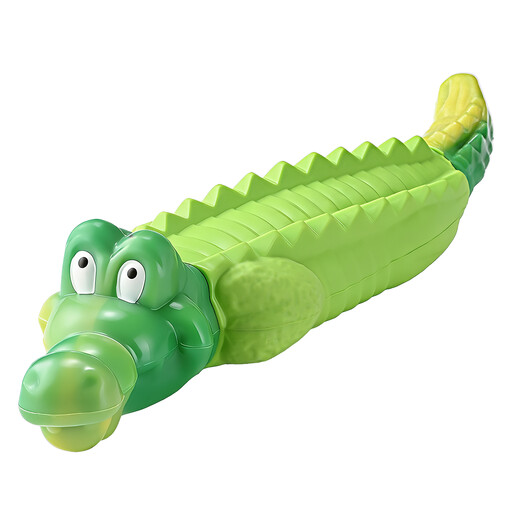
Why This Fits Their Persona: Designed for medium to large dogs that need a firmer toy for fetch training, tugging and outdoor play.
The listing specifies medium and large breeds, a 24 × 6 cm size and a nylon-and-natural-rubber construction.
Double-layer structure; textured crocodile shape for gripping.
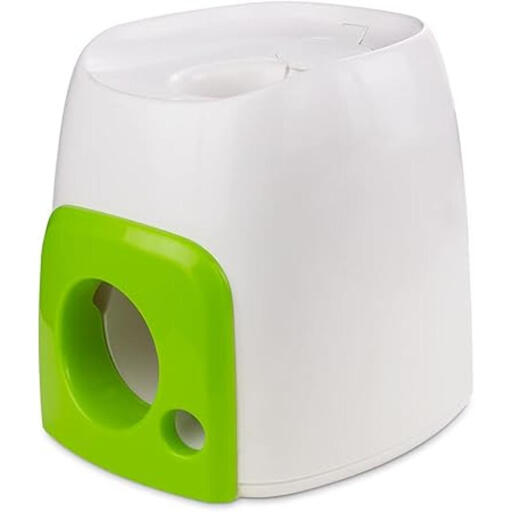
Why This Fits Their Persona: Suitable for owners who want to combine fetch with treat-finding and gradually teach independent play at home.
It has a defined ball-and-hatch mechanism rather than relying only on an attention-grabbing sound.
Battery-free operation; separate treat-hiding compartments.
We have compiled a complete, real-time list of products that fully satisfy these strict selection criteria and UK safety regulations.
There is no fixed lifespan because it depends on material, use and chewing strength. Check toys regularly and replace them immediately if they split, shed pieces, expose a squeaker or become small enough to swallow.
They can be suitable when the size and material match the puppy, but use them under supervision. Puppies that tear toys apart may need a simpler rubber or puppy teething toy instead of a fabric or latex squeaker.
Treat dispensing dog toys and other interactive dog toys can encourage sniffing, rolling and problem-solving. Introduce the toy gradually, use appropriately sized treats and supervise until you know how your dog handles the mechanism.