
24/7 Customer Support

Free returns

Same-day & Next-day Delivery

Quality Guaranteed

Unlock Your Welcome Offers: FREE Delivery | Up to 80% OFF | Free 30-day JoyPlus trial
Download the APP
Choosing dog toys can seem straightforward until a squeaker breaks, stuffing appears across the carpet or a toy turns out to be too small for your dog’s mouth. UK owners also face a wide range of marketing claims, from “indestructible” chew toys to products described as suitable for every breed.
The right choice depends on your dog’s size, age, chewing strength and preferred type of play. This guide explains the practical details to check before buying, followed by our top recommendations for different households.
No dog toy is indestructible. A product may be made from rubber, latex or tough fabric, but an enthusiastic chewer can still split seams, expose squeakers or remove small pieces. Look for clear material information and warnings about chewing strength rather than relying on a large durability claim.
Inspect toys regularly, especially after vigorous chewing. Remove a damaged toy immediately to reduce the risk of swallowed fragments.
A compact toy may suit a Chihuahua or young puppy but create a hazard for a larger dog. Conversely, oversized dog toys may be difficult for small breeds to grip, carry or engage with.
Check the stated dimensions and recommended weight range where available. A toy should be large enough not to be swallowed, but still manageable for your dog to hold comfortably.
Squeaky dog toys and plush dog toys can encourage chasing, shaking and carrying, but they often contain fabric, filling, rope or a plastic squeaker. These components can become exposed if the toy is torn.
Soft toys are generally more suitable for supervised play, gentle chewing, fetch or comfort. If your dog quickly removes stuffing or targets the squeaker, choose a purpose-designed rubber or TPR toy instead.
The material should match your dog’s behaviour:
Terms such as “dental chew toys” should not be interpreted as a replacement for professional dental care. Textured surfaces may provide a different chewing sensation, but owners should follow normal veterinary guidance for oral health.
For dog toys for small breeds, compact bones, balls and soft toys can be easier to carry. Puppies may need lighter designs that are simple to grip, while adult dogs that enjoy fetch may prefer a larger bounce or longer shape.
Avoid toys with detachable parts, narrow sections or loose decorations that your dog could bite off. Ball toys should be appropriately sized so they cannot become lodged in the mouth.
Squeakers and crinkle sections can make play more engaging, but some dogs and households may find the sound unsuitable for indoor use. Textured surfaces can add sensory interest, while washable materials are more convenient after outdoor play.
Look for straightforward care instructions. Rinseable rubber and TPR toys are practical for muddy walks, whereas plush toys may require wiping or hand washing. Always allow a toy to dry fully before giving it back to your dog.
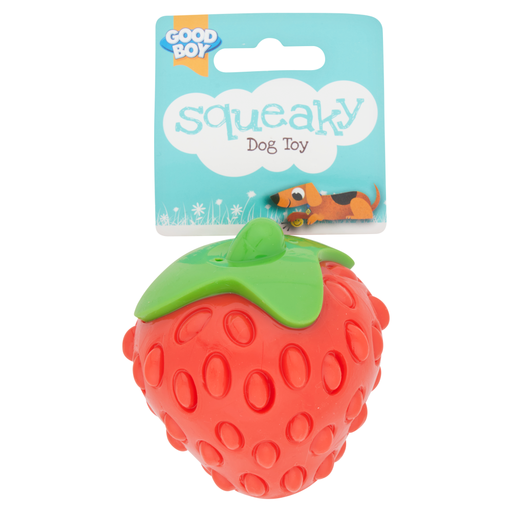
Why This Fits Their Persona: A lightweight option for owners looking to introduce a new dog or puppy to squeaky play, fetch and short indoor activity sessions.
The description identifies rubber, fabric and a squeaker mechanism, while advising supervision and replacement when worn, rather than promising indestructibility.
Lightweight and easy to throw; the squeak can support fetch and solo play under supervision.
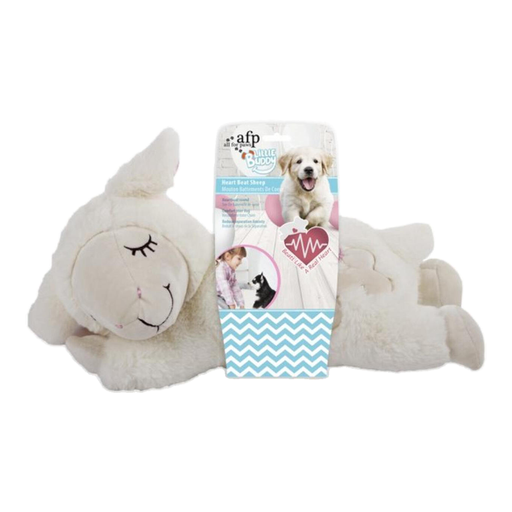
Why This Fits Their Persona: A soft comfort-focused choice for a puppy settling into a new UK home, resting at bedtime or adapting to short periods apart.
Its removable heartbeat unit is clearly described, so it can be taken out for washing or when the toy is used as a normal plush companion.
Extra-soft plush fabric; removable battery-powered heartbeat unit. Not intended for aggressive chewers.
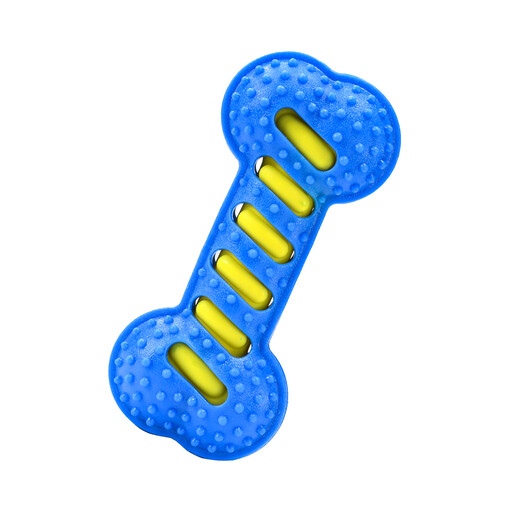
Why This Fits Their Persona: Designed for small to medium dogs that alternate between chewing, carrying and active games in the home or garden.
The listed size is approximately 12.5cm and the guidance limits it to small and medium dogs, helping buyers avoid an unsuitable one-size-fits-all purchase.
TPR body with raised texture; built-in squeaker and a surface that can add interest during chewing.
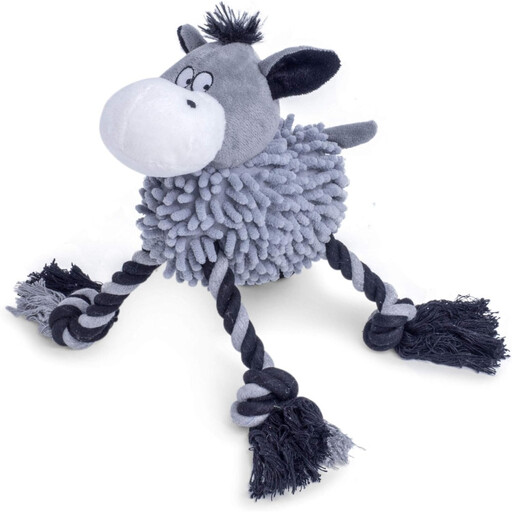
Why This Fits Their Persona: A versatile plush option for dogs that like to grab, shake, fetch and settle with a soft toy after play.
The long limbs provide a practical grip, while the care guidance specifically recommends checking loose threads, damage and exposed components.
Polyester fabric and filling; built-in squeaker; suitable for grabbing, shaking and cuddling.
We have compiled a complete, real-time list of products that fully satisfy these strict selection criteria and UK safety regulations.
There is no fixed lifespan. A plush toy may wear quickly with a strong chewer, while a rubber toy may last longer during moderate use. Check the toy before every play session rather than relying on a stated duration.
They can be suitable when the size and construction match the puppy. Choose puppy toys without easily detachable parts, supervise play and remove the toy if the squeaker or filling becomes exposed. Teething toys for puppies should be appropriately sized and used according to the product instructions.
No. A textured toy may add variety to chewing, but it should not be treated as a substitute for a suitable dental routine or veterinary advice. Select a toy for safe play first, then consider whether its texture suits your dog’s habits.