
24/7 Customer Support

Free returns

Same-day & Next-day Delivery

Quality Guaranteed

Unlock Your Welcome Offers: FREE Delivery | Up to 80% OFF | Free 30-day JoyPlus trial
Download the APP
Choosing dog toys can seem simple until a squeaker is pulled out in minutes, a ball proves too small or an expensive interactive toy is ignored after the first day. For UK dog owners, the right choice depends less on colourful packaging and more on size, construction, supervision and how your dog actually plays.
By Joybuy Product Recommendation Officer
No dog toy is indestructible. Terms such as “bite-resistant” or “long-lasting” describe a product’s intended construction, not a guarantee against damage. A powerful chewer may split a rubber toy, remove stitching or expose a squeaker much sooner than a gentle player.
Choose materials and shapes that match your dog’s bite strength. Inspect toys before and after use, and remove them immediately if they crack, tear, split or expose internal parts.
A toy that is too small can present a swallowing or choking risk, particularly for large dogs. Conversely, oversized dog toys may be difficult for puppies and small breeds to carry, grip or move.
Check the stated dimensions and recommended dog size rather than relying on breed labels alone. Your dog’s mouth size, weight, chewing habits and ability to carry the toy all matter.
Squeakers, flashing lights, bouncing mechanisms and treat compartments can add interest, but not every dog enjoys the same stimulation. Some dogs prefer chasing and retrieving; others want to chew, tug, sniff or cuddle.
Consider your dog’s routine. A rechargeable toy may be useful for indoor activity, while a simple ball launcher may offer more value for regular park trips. Feature-rich toys also need extra maintenance, such as charging, cleaning or battery disposal.
For everyday chewing, look for clearly stated materials such as natural rubber, TPR, nylon, polyester or reinforced fabric. A layered construction can provide a different balance of firmness and flexibility. For example, a natural rubber exterior over a nylon core may offer a grippable surface with a firmer centre.
Soft latex and plush toys are generally more suitable for gentle to moderate play than aggressive chewing. Fabric toys with squeakers or crinkle material should be treated as supervised interactive toys, not permanent chew products.
Measure your dog’s current toys and compare them with the listed dimensions. Small dog toys may be around 4.8cm, while larger interactive toys can measure approximately 18–24cm. These figures are more useful than vague descriptions such as “for all breeds”.
For dog toys for small dogs, choose shapes that can be carried without forcing the jaw open too widely. For dog toys for large dogs, select a size that cannot be swallowed and that provides enough surface area for a secure grip.
Match the toy to the intended activity:
Washability is also practical in the UK, particularly for muddy gardens and wet park walks. Follow the product’s cleaning instructions and allow toys to dry fully before storage.
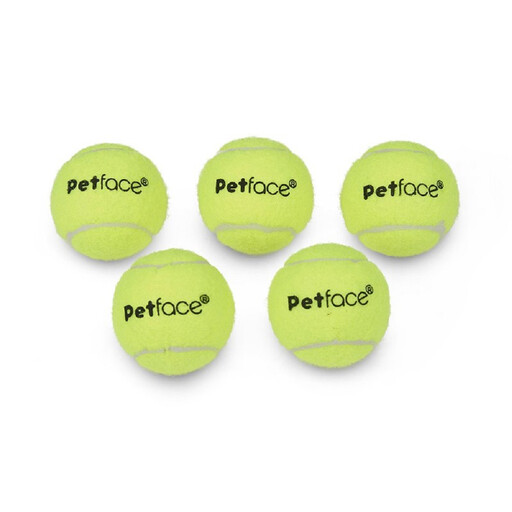
Why This Fits Their Persona: A five-ball set gives new owners spares for garden games, training and indoor fetch, with a 4.8cm size intended for puppies and smaller dogs.
The clearly stated mini size helps reduce guesswork. They are not indestructible, so regular checks remain essential.
Five rubber-core balls; bright colours; suitable for fetch and training with supervision.
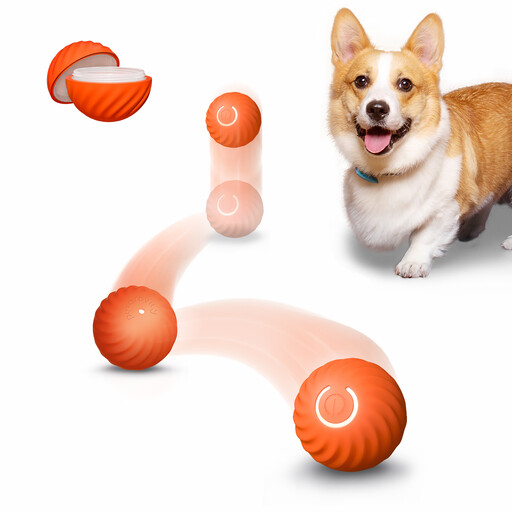
Why This Fits Their Persona: Designed for smaller dogs, this rechargeable ball offers two play modes and unpredictable movement for owners seeking technology-led indoor enrichment.
Its small-dog suitability and replaceable plush cover are specified. It is not intended for aggressive chewers and requires supervision.
USB-C rechargeable; two interactive modes; removable plush cover; 56mm ball size.
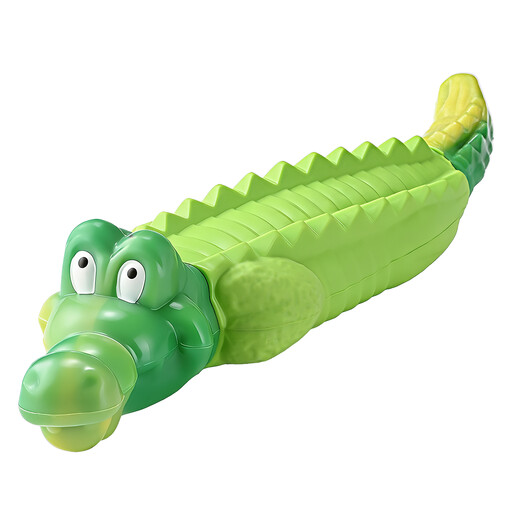
Why This Fits Their Persona: Medium and large dogs needing a substantial toy for supervised chewing, fetch and outdoor interaction may prefer its 24 x 6cm double-layer format.
The intended dog size and materials are clearly stated, avoiding the mistake of giving a small toy to a powerful chewer. It still needs inspection.
Natural rubber exterior; nylon core; textured crocodile shape; suitable for fetch and tug-style interaction.

Why This Fits Their Persona: Owners wanting food-based enrichment can fill the hollow dumbbell with treats or kibble and introduce it gradually during short sessions.
The product specifies small-to-medium dog suitability and a maximum 20-minute session, helping owners avoid unsuitable sizing or overuse.
Hollow treat chamber; natural rubber; textured surface; washable with warm water.
We have compiled a complete, real-time list of products that fully satisfy these strict selection criteria and UK safety regulations.
There is no universal lifespan. Replace a toy as soon as damage could allow your dog to swallow fragments or access internal components. A fabric squeaky toy may need replacing sooner than a solid rubber toy, depending on chewing intensity. Rotating several toys can reduce constant wear on one item, but it does not remove the need for inspection.
Many are, provided the toy is correctly sized and used under supervision. Puppies may benefit from short, simple sessions with soft or food-based toys, while teething dogs may seek firmer textures. Avoid toys with detachable parts and follow the stated age, size and chewing guidance.
Washable indoor balls, treat dispensers and soft interactive toys can provide activity when outdoor exercise is limited. For wet garden or park use, select toys that can be wiped or rinsed clean and dry them thoroughly afterwards. A dog ball launcher can also support fetch in a secure outdoor space while reducing the need to handle a muddy ball.