
24/7 Customer Support

Free returns

Same-day & Next-day Delivery

Quality Guaranteed

Unlock Your Welcome Offers: FREE Delivery | Up to 80% OFF | Free 30-day JoyPlus trial
Download the APP
Choosing dog toys is not simply a matter of picking the most colourful design on the shelf. A toy that suits a small puppy may be unsafe or frustrating for a larger dog, while a product advertised as “durable” may still fail quickly when used as an unsupervised chew toy.
This guide explains the main buying pitfalls, the specifications worth checking and our top recommendations for different UK households.
Most plush dog toys, squeaky dog toys and fetch toys for dogs are designed for supervised play, not continuous chewing. Even products made with reinforced fabric, rope or rubber can become damaged by a determined chewer.
Before buying, check whether the product is specifically described as suitable for aggressive chewers. If it is not, assume it requires supervision and regular inspection.
A toy that is too small can present an ingestion risk, while an oversized toy may be difficult for a puppy or small breed to carry. Consider your dog’s:
For example, small dog toys and puppy toys often use compact, lightweight shapes, whereas larger electronic dog toys may be intended for medium or large breeds.
Squeakers, crinkle material, LED lights and motorised movement can make toys more interesting, but not every dog enjoys them. A nervous dog may prefer soft dog toys for comfort, while an energetic dog may need interactive dog toys that involve chasing or retrieving.
Also consider household practicality. A loud squeaker may be inconvenient in a flat, and self-moving dog toy models need charging, floor space and supervision.
Look for a clearly stated intended size or breed range. Long limbs can make a plush toy easier to grab, while a compact ball may suit smaller paws. Avoid toys with detachable eyes, loose decorations, exposed stitching or small components that your dog could swallow.
A toy should be large enough not to fit entirely inside your dog’s mouth, but still manageable for carrying and play.
Common materials include polyester plush, cotton-polyester rope, rubber, synthetic fabric and plastic. Each has a different purpose:
Terms such as “non-toxic”, “safe material” or “durable” should not replace checking the care instructions and warnings. In the UK, follow the manufacturer’s directions, inspect products regularly and remove damaged toys immediately.
For dog toys for indoor play, choose lightweight designs that are less likely to damage furniture. For dog toys for outdoor play, consider visibility, ease of cleaning and whether the toy is suitable for use on grass or open ground.
Washable or wipe-clean options can be useful, particularly for puppies. Some plush designs can be hand-washed, while electronic toys should be cleaned only according to the product instructions. Rechargeable models also have ongoing charging requirements and should not be left with a dog while connected to a cable.
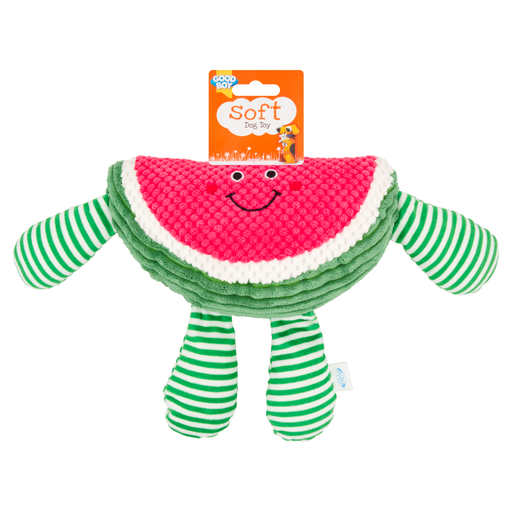
Why This Fits Their Persona: A lightweight option for owners introducing a dog to everyday indoor and outdoor play without choosing a specialist electronic or oversized toy.
Its description states that it is not a chew toy, helping set realistic expectations rather than suggesting unsupervised heavy chewing.
Synthetic rubber and reinforced fabric; lightweight design for tossing, fetching and carrying.
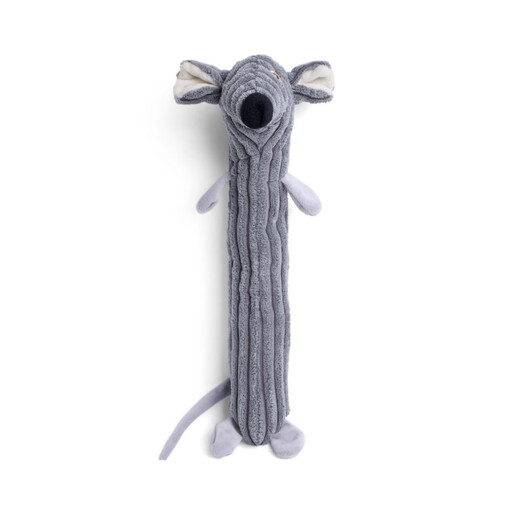
Why This Fits Their Persona: Suitable for owners who want one soft toy that supports fetch, gentle tugging, carrying and quiet comfort at home.
The product information identifies the toy as unsuitable for indestructible use and advises inspection, making its supervised-play role clear.
Soft polyester plush, internal squeaker and a stick handle for throwing or interactive play.
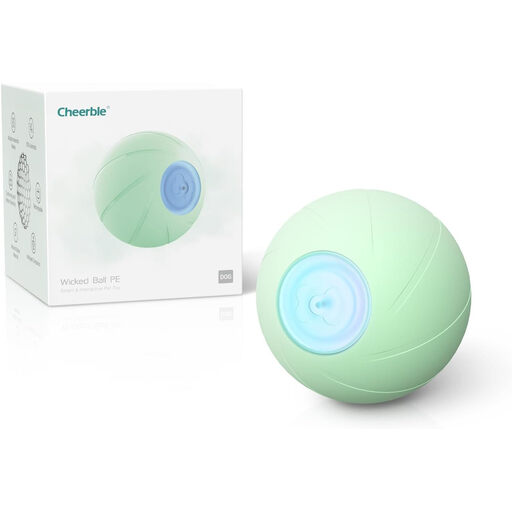
Why This Fits Their Persona: Designed for medium and large dogs that enjoy chasing moving objects, particularly when indoor activity is needed during poor weather.
It lists three play modes, a rechargeable battery and a wipe-clean sealed core, allowing buyers to assess operation and upkeep before purchase.
Approximately 95mm diameter; three modes, LED lights and up to 90 minutes of play per charge.
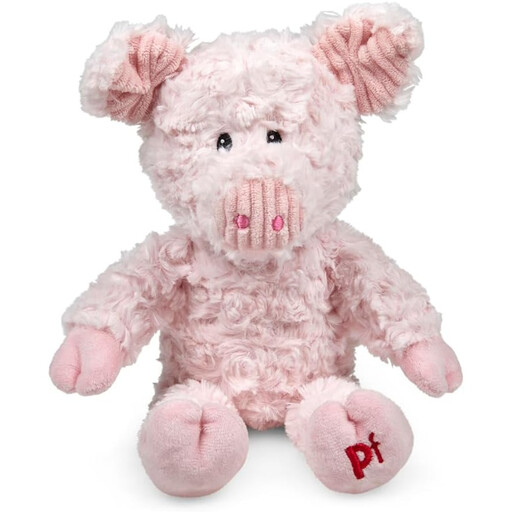
Why This Fits Their Persona: A compact choice for puppies and small breeds that enjoy carrying, gentle play and snuggling.
Its stated approximately 15cm size and puppy-focused suitability make it easier to compare with your dog’s mouth and carrying ability.
Pack of three; polyester outer and filling; built-in squeaker; compact shape for small paws.
We have compiled a complete, real-time list of products that fully satisfy these strict selection criteria and UK safety regulations.
Rotate two or three toys instead of leaving every item available all day. This can maintain interest and gives you time to inspect or clean each product. Keep plush toys dry, remove loose threads and check squeakers, seams, rope fibres and plastic components regularly.
For outdoor play, avoid unsafe areas near roads and stop sessions if your dog shows signs of fatigue. Electronic toys should be switched off and stored according to the manufacturer’s instructions. No dog toy should be treated as a substitute for supervision, training or appropriate exercise.
Choose a size-appropriate puppy toy with a soft texture, no easily detached parts and clear supervision guidance. Plush toys with squeakers can provide engagement, but puppies should not be left alone with damaged fabric, exposed filling or loose rope fibres.
There is no fixed lifespan. Gentle indoor use may allow a toy to remain serviceable for longer, while frequent tugging or chewing can cause rapid wear. Inspect before each use and replace any toy that is torn, split, heavily frayed or exposing internal parts.
Rechargeable models avoid disposable batteries, but they still require charging and occasional cleaning. Check the stated charge time, play time and charging method before buying. Always keep cables away from pets and use the toy only as directed.