
24/7 Customer Support

Free returns

Same-day & Next-day Delivery

Quality Guaranteed

Unlock Your Welcome Offers: FREE Delivery | Up to 80% OFF | Free 30-day JoyPlus trial
Download the APP
Choosing the right dog toy can feel like a gamble. You bring home a colourful, promising new toy, only for it to be destroyed in minutes or completely ignored in a corner. As a dog owner, you want to provide safe, engaging entertainment for your companion, but navigating the market filled with bold claims can be frustrating and costly. This guide cuts through the clutter, helping you identify common purchasing pitfalls and select toys that genuinely suit your dog's needs.
Before you add another toy to your basket, be aware of these frequent traps that lead to wasted money and disappointed pups.
To avoid these pitfalls, focus on a few core parameters. Analysing these will help you make a much more informed decision.
The material dictates a toy's purpose and safety. Always check what a toy is made of.
The right size is critical for safety and enjoyment. A good rule of thumb is that the toy should be large enough that it cannot be swallowed whole, but small enough for your dog to comfortably carry in its mouth. Consider the shape as well; some designs are better for fetching, while others with grooves and nubs can help with dental hygiene. This is especially important when choosing small dog toys or large dog toys.
Think about how the toy will hold your dog's interest.
Based on these practical criteria, here are a few options matched to specific types of dogs and their owners' needs.
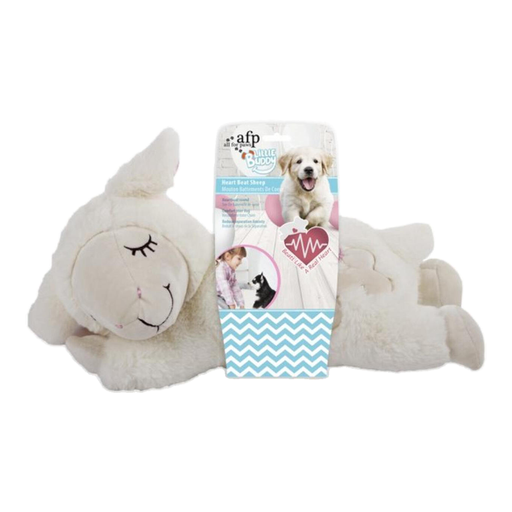
Why This Fits Their Persona: Ideal for new puppy owners in the UK looking to ease their pet's transition into a new home. It provides comfort and helps reduce separation anxiety, which is a common concern for puppies during their first few nights alone.
It sidesteps the "boredom" pitfall by serving a specific function—comfort. The simulated heartbeat provides sustained engagement beyond a simple squeak, making it more than just a basic plush toy.
Features a removable heartbeat unit that mimics a mother's pulse to calm anxious puppies. The material is extra soft for snuggling.
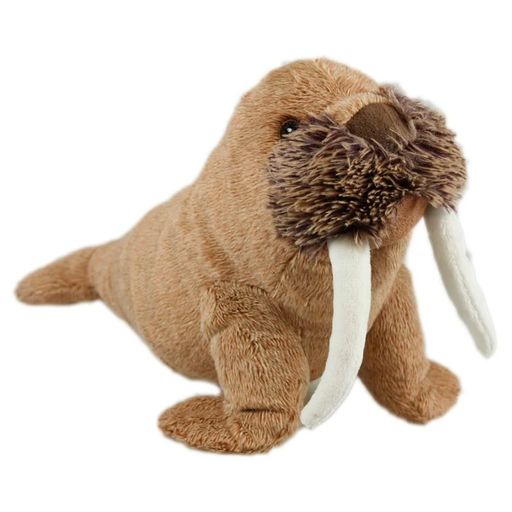
Why This Fits Their Persona: Perfect for small to medium-sized dogs that prefer to cuddle and gently play with their toys rather than destroy them. It's a companion piece for a dog that enjoys soft textures and the excitement of a squeak.
It avoids the "indestructible" myth by being clearly positioned as a soft plush toy, not a chew toy. This manages expectations about its durability and ensures it's used for its intended purpose of light, supervised play.
Made from a premium, super-soft plush fabric that is gentle on the mouth. It includes an internal squeaker to keep a dog engaged during play sessions.
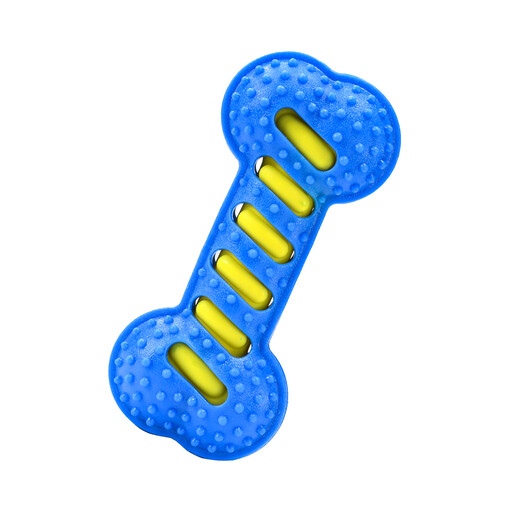
Why This Fits Their Persona: A solid choice for owners of small to medium breeds who need a toy that can stand up to persistent chewing. The material is specifically designed for this purpose, offering a safer and more lasting option than a standard plastic toy.
This toy directly addresses the material mismatch pitfall. It uses TPR (thermoplastic rubber), which is more resilient than basic plush or latex, providing a more appropriate option for dogs with moderate chewing habits.
The combination of durable TPR material and a built-in squeaker provides both longevity and continued engagement. Its flexible-yet-tough nature is gentle on gums.
We have compiled a complete, real-time list of products that fully satisfy these strict selection criteria and UK safety regulations.
There is no fixed schedule for replacing dog toys. The most important factor is safety. You should inspect your dog's toys regularly—daily, if they are a heavy chewer. Replace any toy immediately if you notice cracks, sharp edges, loose parts or if stuffing is coming out. A worn-out toy can become a choking or ingestion hazard.
For most dogs, squeaky toys are safe when used under supervision. The sound is highly engaging and provides great stimulation. The primary risk occurs if a dog is determined to "kill" the toy and get to the small plastic squeaker inside. If your dog is a destructive chewer, either choose extremely durable squeaky toys or opt for other types of engagement. Always supervise playtime with squeakers.
Hygiene is important for your dog's health. Cleaning methods depend on the material: