As a Joybuy Product Recommendation Officer, my role is to help you navigate the crowded market of pet supplies. When it comes to dog toys, the sheer volume of choice can be overwhelming. More importantly, making the wrong choice can lead to wasted money and, in some cases, safety risks for your beloved companion. This guide will help you identify common purchasing pitfalls and focus on the features that truly matter for your dog's safety and enjoyment.
The Common Traps in Buying Dog Toys
Before you add another toy to your basket, be aware of these frequent issues that catch many dog owners out:
- The "Indestructible" Myth: Many products are marketed as durable dog toys for aggressive chewers, yet they fall apart within days or even hours. This not only drains your wallet but can also create a serious choking hazard if your dog ingests broken pieces. True durability comes from specific materials and construction, not just a label.
- Ignoring Size and Chew Style: A toy that is perfect for a gentle-mouthed Spaniel could be destroyed and swallowed by a powerful-chewing Staffordshire Bull Terrier in minutes. Choosing a toy that is too small for your dog's mouth is a significant safety risk.
- Overlooking Material Safety: Brightly coloured, low-cost toys can be appealing, but their material composition is often a mystery. Unregulated plastics or fabrics may contain harmful chemicals or dyes. A safe toy is made from non-toxic, clearly specified materials.
How to Choose the Right Dog Toy: Core Factors to Check
To avoid these pitfalls, focus on a few key parameters. This ensures you are selecting a toy that is safe, suitable and offers good value.
1. Material Matters: The Foundation of a Good Toy
The material is the most critical factor determining a toy's suitability and safety. Different materials serve different purposes.
- Nylon: This is a very hard, durable material often used in chew toys for aggressive chewers. It is designed to withstand intense, prolonged chewing. As dogs chew, the nylon can fray slightly, creating bristles that help clean teeth, but it should not break into large chunks.
- Natural Rubber: A popular choice for its durability and satisfying 'bounce'. It is tough but has more give than nylon, making it gentler on a dog's mouth. It's excellent for fetch, chewing and many dog dental toys feature textured rubber surfaces to help clean teeth and massage gums.
- Thermoplastic Rubber (TPR): This material blends the properties of plastic and rubber. It is flexible, durable and often used in squeaky dog toys and interactive toys. It's a good middle-ground option for moderate chewers.
- Plush and Fabric: Ideal for dogs that prefer to carry or cuddle their toys rather than destroy them. When choosing a plush toy, look for reinforced stitching and durable fabrics like corduroy to increase its lifespan. These are generally not suitable for strong chewers.
- Bamboo Fibre: Often blended with nylon, this creates a tough chew toy with a slightly less rigid texture than pure nylon, satisfying a dog's urge to chew on wood-like objects without the risk of splintering.
2. Purpose-Driven Design: Matching the Toy to the Need
Consider what you want the toy to achieve. Is it for a specific problem or activity?
- Puppy Teething Toys: Puppies need toys that can soothe their sore gums. Look for softer, flexible rubber or specially designed nylon toys that are safe for developing teeth.
- Interactive Dog Toys: To combat boredom and anxiety, dog puzzle toys and treat-dispensing toys are excellent. They provide mental stimulation by making your dog work for a reward, which can help reduce destructive behaviour.
- Dental Health: Many toys are designed with ridges, nubs or specific textures that act as dog dental toys. As your dog chews, these surfaces help to scrape away plaque and tartar, promoting better oral hygiene.
Our Top Product Recommendations
Based on these practical criteria, here are a few recommendations matched to specific types of dog owners and their companions.
MATCH FOR: The Power Chewer's Parent
Why This Fits Their Persona: This is for the owner who is tired of replacing shredded toys. It's designed for dogs with a strong chewing instinct who can make short work of standard toys.
How It Avoids the Trap
It directly counters the "indestructible" myth by using a specific, robust material combination—wear-resistant nylon and high-quality cowhide—instead of just a vague claim. This provides superior resilience.
Key Advantage & Pros
The unique branch shape mimics natural wood, encouraging chewing. The dual-material design also helps clean teeth and massage gums during play.
MATCH FOR: The New Puppy Owner
Why This Fits Their Persona: Perfect for those navigating the challenging puppy teething phase. It provides a safe outlet for chewing while also offering mental engagement for a young, active mind.
How It Avoids the Trap
This toy addresses the material safety pitfall head-on. It is made from BPA-free, food-safe natural rubber, giving puppy owners peace of mind that their pet isn't ingesting harmful chemicals.
Key Advantage & Pros
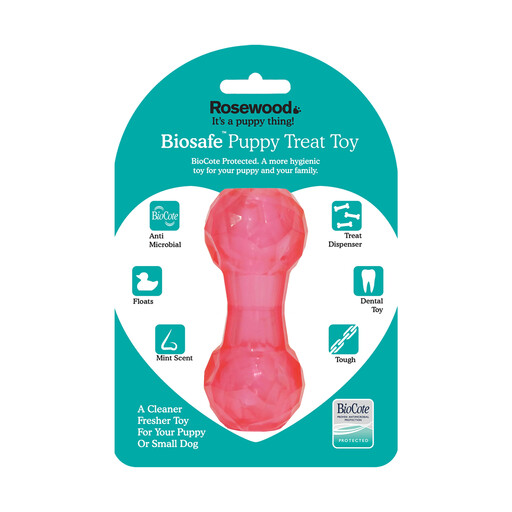
Its hollow, treat-dispensing design turns it into an interactive puzzle. This helps soothe teething discomfort and provides crucial mental stimulation to prevent boredom-related mischief.
MATCH FOR: The Boredom Buster Seeker
Why This Fits Their Persona: An ideal solution for owners of intelligent, high-energy dogs that get bored easily. It keeps them occupied and mentally engaged, especially when left alone.
How It Avoids the Trap
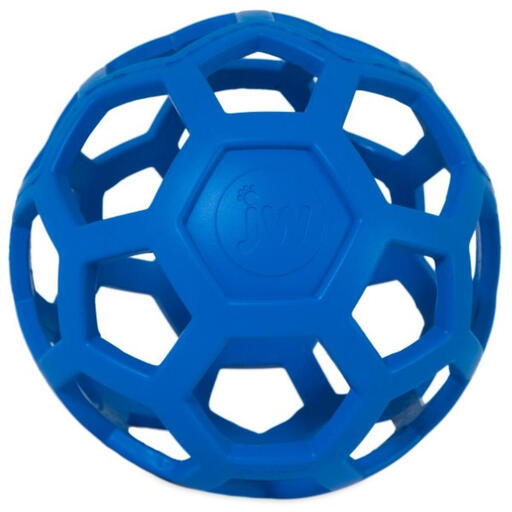
Unlike rigid puzzle toys that can crack or shatter, the Hol-ee Roller is made from malleable, natural rubber. Its open, flexible design is far less likely to break into hazardous small pieces.
Key Advantage & Pros
Its versatility is its greatest strength. It can be used as a simple fetch ball, a tug toy or stuffed with treats or other toys to create a challenging and rewarding puzzle.
Looking for More Options?
We have compiled a complete, real-time list of products that fully satisfy these strict selection criteria and UK safety regulations.
Frequently Asked Questions
How often should I replace my dog's toys?
There is no fixed timeline; replacement depends on the toy's material and your dog's chewing intensity. You should inspect all toys weekly for signs of significant wear. Replace any toy that has cracks, loose parts or has been chewed down to a size that could be swallowed. For plush toys, discard them if the stuffing becomes exposed.
Are squeaky dog toys safe?
For most dogs, yes, provided they are used under supervision. The main risk is that a powerful chewer might destroy the toy to get to the small plastic squeaker inside, which is a choking hazard. If your dog is a "destroyer," opt for toys without squeakers or choose durable models where the squeaker is deeply and securely embedded within tough rubber.
How should I clean different types of dog toys?
- Hard Toys (Nylon, Rubber): These are the easiest to clean. Wash them with warm water and a pet-safe soap, rinse thoroughly and let them air dry. Many are also top-rack dishwasher safe, but always check the manufacturer's instructions.
- Plush/Fabric Toys: Most can be machine washed on a gentle cycle. It is advisable to use a pet-safe, non-scented detergent. Allow them to air dry completely to prevent mildew.
- Treat-Dispensing Toys: These require regular cleaning to prevent a build-up of old food and bacteria. Use a bottle brush with warm, soapy water to scrub the inside, rinse well and ensure they are fully dry before refilling.