
24/7 Customer Support

Free returns

Same-day & Next-day Delivery

Quality Guaranteed

Unlock Your Welcome Offers: FREE Delivery | Up to 80% OFF | Free 30-day JoyPlus trial
Download the APP
Choosing suitable dog toys can be more complicated than it appears. A colourful squeaker may attract your dog for five minutes, while a supposedly durable toy may quickly split under determined chewing. The right choice depends on your dog’s size, age, bite strength, preferred play and whether the toy will be used with you or independently.
This guide highlights common buying traps, explains the specifications worth checking and matches practical options to different UK households.
No dog toy is suitable for every chewing style. Soft plush dog toys can be excellent for carrying, fetching and cuddling, but they are not necessarily appropriate for dogs that tear fabric or remove squeakers. Even products described as durable should be inspected regularly.
Look for clear warnings such as “not a chew toy” or “not suitable for aggressive chewers”. These details are more useful than vague claims about strength.
A toy that is too small may present an ingestion or choking risk, while a large, heavy toy may be difficult for a puppy or small breed to carry. Check the listed dimensions and recommended dog size where available. For balls, the dog should not be able to swallow the toy, but it should still be comfortable to pick up.
Size also affects play quality. Smaller dogs may prefer lightweight squeaky dog toys, whereas larger dogs often need larger fetch toys for dogs or tug toys for dogs with handles that are easy to grip.
Squeakers, crinkle sections, lights and movement can encourage interaction, but they do not replace exercise, training or companionship. A rechargeable interactive dog toy may offer independent play for short periods, yet it should not be viewed as a guaranteed solution for distress when a dog is left alone.
Choose stimulation that matches your dog’s habits. Some pets enjoy chasing, others prefer chewing, carrying, food puzzles or quiet comfort.
For plush dog toys, check whether the product is intended for gentle play rather than chewing. Inspect seams, fabric loops, stuffing and squeaker access. Reinforced stitching and double stitching can be useful features in tug toys, but they do not remove the need for supervision.
Latex and flexible rubber toys can suit gentle to moderate chewers, while textured dog dental toys may provide additional tactile interest. However, a toy should not replace brushing or professional dental care, and any damaged or exposed component should be removed immediately.
Match the design to the activity you want to encourage:
A toy labelled for solo play still requires regular checks, particularly if your dog attempts to shred or swallow pieces.
Washable toys are practical in wet UK weather and homes with muddy outdoor play. Check whether the toy can be rinsed, wiped or machine washed, and remove batteries or electronic units first where instructed.
For electronic dog toys, check charging requirements, play modes, charging time and the intended dog size. A rechargeable model avoids disposable batteries, but it still needs charging and should be stored safely when not in use.
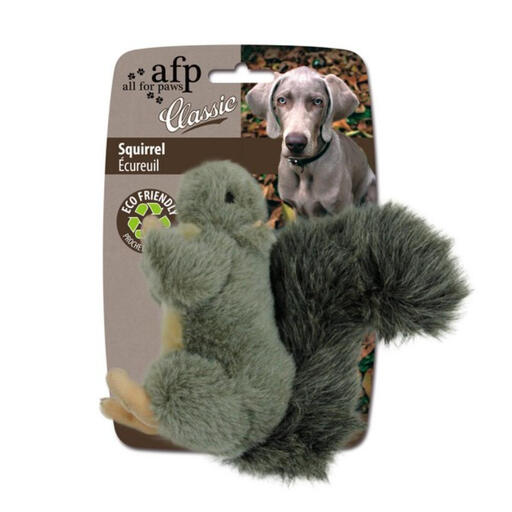
Why This Fits Their Persona: A soft, compact choice for small and medium-sized dogs that enjoy carrying, tossing and owner-led play in flats or smaller homes.
Its stated size suitability helps avoid buying an oversized toy, while regular inspection addresses the limitations of soft fabric.
Soft material, compact format and suitability for interactive games such as fetch and tug-of-war.
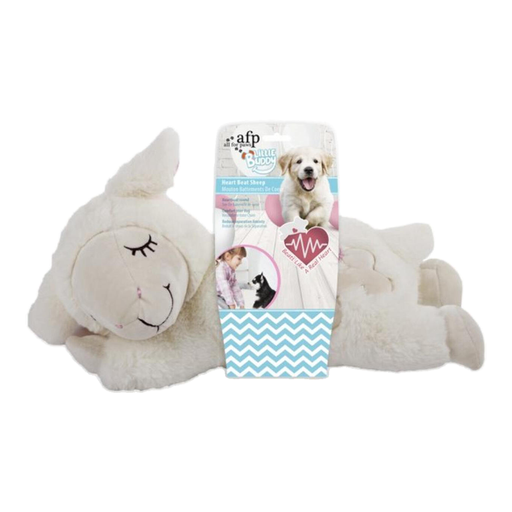
Why This Fits Their Persona: Designed for owners seeking a soft puppy comfort toy for settling at bedtime or during the transition into a new home.
The heartbeat unit is removable, so it can be taken out before washing or regular play. It is clearly marked as unsuitable for aggressive chewers.
Extra-soft plush construction and a removable battery-powered heartbeat mechanism.
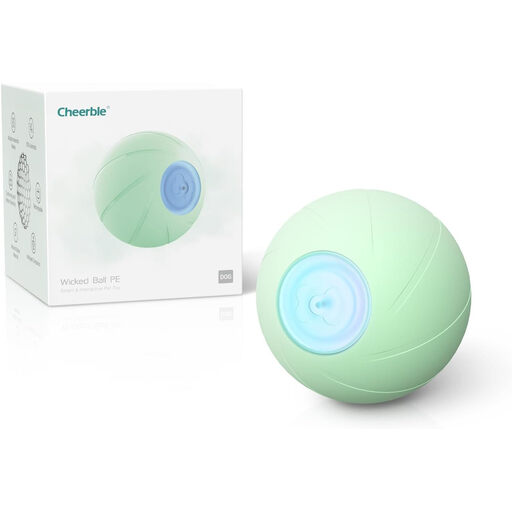
Why This Fits Their Persona: A rechargeable interactive dog toy for medium and large dogs that enjoy chasing moving objects indoors or outdoors.
Its specifications state three play modes, a rechargeable battery and a 95 mm diameter, helping buyers assess function and scale before purchase.
Three movement modes, LED lights and up to 90 minutes of stated play time per charge.
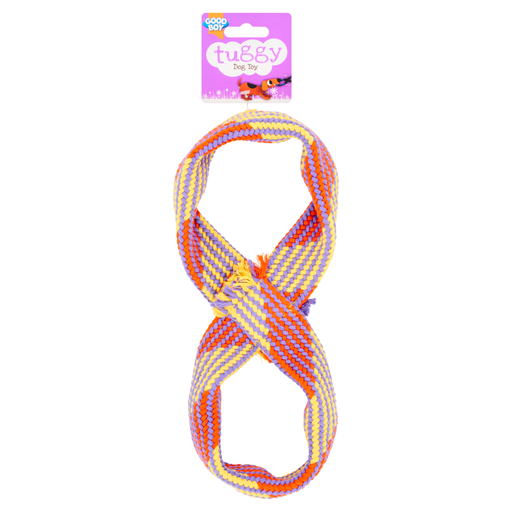
Why This Fits Their Persona: Suits owners who want a hands-on tugging routine that adds movement and interaction to daily play.
The product guidance says to match it to the dog’s size and play style and confirms that supervision is required.
Polyester construction, double stitching and a lightweight format intended for interactive tug play.
We have compiled a complete, real-time list of products that fully satisfy these strict selection criteria and UK safety regulations.
Before giving your dog a new toy:
A product listing should also provide clear material information, warnings and manufacturer or responsible-business details. If those details are missing, consider choosing an alternative with more transparent instructions.
There is no fixed lifespan. Replacement depends on material, frequency of use and your dog’s chewing behaviour. Plush toys may need frequent renewal if seams open, while rubber or electronic toys should be replaced as soon as cracks, exposed components or unusual damage appear.
Some are designed for independent engagement, but suitability varies. Introduce the toy while you are present, observe whether your dog tries to dismantle it and follow the supervision guidance. Movement or treats may provide enrichment, but they should not be assumed to resolve separation-related distress.
Textured surfaces may provide a brushing-like sensation during chewing, but they are not a substitute for a complete dental routine. Select an appropriately sized toy, supervise use and stop immediately if the toy becomes damaged or your dog attempts to swallow fragments.