
24/7 Customer Support

Free returns

Same-day & Next-day Delivery

Quality Guaranteed

Unlock Your Welcome Offers: FREE Delivery | Up to 80% OFF | Free 30-day JoyPlus trial
Download the APP
Finding the right dog training treats can feel like a challenge. The aisles are filled with countless options, each promising to be the one your furry companion will love. Whether you have a new puppy just starting its training journey or an older dog learning new tricks, the treat you choose matters. It needs to be motivating, suitable for their dietary needs and something you can feel good about giving.
As your Joybuy Product Recommendation Officer, my role is to help you navigate these choices. This guide offers practical advice and highlights a few standout options to make your decision simpler, ensuring you find a reward that supports your training goals and your dog's wellbeing.
Before you add anything to your basket, a few key considerations can help you narrow down the options and select a treat that is just right for your dog.
A puppy's needs are very different from a senior dog's. For young dogs, you'll want to look for specific puppy training treats that are small and easy to chew. Similarly, older dogs or those with dental issues will benefit from soft dog treats that are gentle on their mouths. If your dog has a condition like pancreatitis or needs to manage its weight, choosing low fat dog treats is essential. Always check the composition and feeding guidelines to ensure they are appropriate.
The ingredients tell you everything you need to know about the quality of a treat. Look for natural dog treats with a short, understandable list of ingredients. Real meat, fish or vegetables listed as the first ingredient is often a good sign. For dogs with sensitivities, grain free dog treats can be an excellent choice, as they avoid common allergens like wheat, corn and soy. Be mindful of artificial colours, flavours and preservatives, as simpler formulas are often better.
For repetitive training sessions where you'll be giving many rewards, small, low-calorie treats are ideal. This allows you to reward your dog frequently without significantly impacting their daily food intake. Larger, chewier treats can be reserved for special occasions or as a high-value reward for mastering a particularly difficult command.
Here are a few recommendations that cater to different needs, from plant-based diets to high-protein preferences.
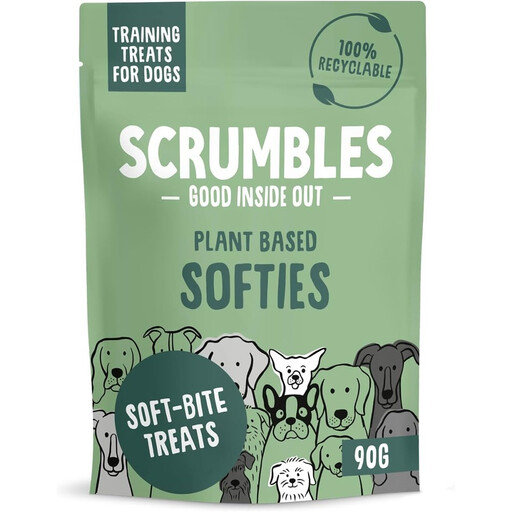
Why It Stands Out: This treat is a fantastic option for the eco-conscious household. The 100% vegan recipe is made with responsibly sourced ingredients and comes in a compostable bag, minimising its environmental footprint.
Pros:
Who is it for? This is an ideal choice for owners seeking healthy dog treats with a plant-based formula. It’s particularly well-suited for puppies, older dogs and dogs with specific health conditions like pancreatitis that require a low-fat, gentle diet.
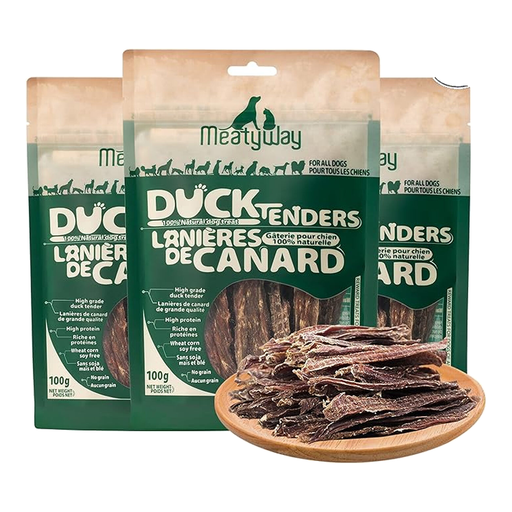
Why It Stands Out: This treat puts real meat front and centre. Made with 100% real chicken and duck wrapped around nutritious sweet potato, it offers a high-protein reward that dogs often find irresistible.
Pros:
Who is it for? Perfect for owners looking for a high-protein, natural dog treat. Its grain-free composition and simple ingredients make it suitable for dogs of all life stages who enjoy a meaty, chewy reward.
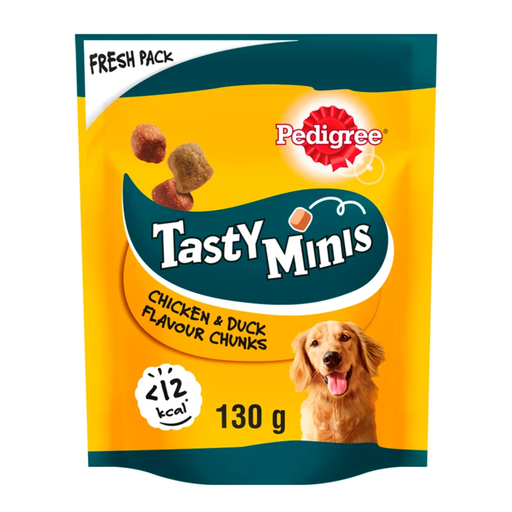
Why It Stands Out: As a widely recognised brand, Pedigree offers a reliable and convenient option. These Chewy Cubes are fortified with vitamins and minerals, adding a nutritional boost to treat time.
Pros:
Who is it for? This is a solid all-around choice for owners who want a convenient, fortified treat for everyday use. It's suitable for general training and rewarding across all dog sizes.
Every dog has unique preferences and dietary requirements. If the recommendations above aren't quite what you're looking for, or if you're specifically focused on a young canine companion, there are many other choices available.
To discover a wider selection tailored to the youngest members of your pack, you can explore our full range of puppy training treats to find the perfect match.
1. How many training treats can I give my dog a day? A good rule of thumb is the 10% rule: treats should not make up more than 10% of your dog's daily caloric intake. Check the feeding guide on the treat packaging for specific advice and remember to adjust your dog's main meals accordingly to maintain a healthy weight.
2. Are grain-free dog treats a better choice? For dogs with a diagnosed grain allergy or sensitivity, grain free dog treats are certainly a better choice as they prevent digestive upset or skin irritation. For most other dogs, high-quality grains can be a healthy part of their diet. The most important factor is the overall quality and digestibility of the ingredients, whether they include grains or not.
3. What makes a good healthy dog treat? A healthy dog treat typically features a simple, recognisable ingredient list. Look for whole foods like meat, fish or vegetables as the primary ingredients. They should be free from artificial additives, excessive fillers and high levels of sugar or salt. The treat should also be appropriate for your dog's size, age and specific health needs.