
24/7 Customer Support

Free returns

Same-day & Next-day Delivery

Quality Guaranteed

Unlock Your Welcome Offers: FREE Delivery | Up to 80% OFF | Free 30-day JoyPlus trial
Download the APP
As a dog owner in the UK, you know that positive reinforcement is key to successful training. Yet, the aisle of dog training treats can be a confusing place. You're trying to teach a solid 'stay', but the treat you've chosen is either gone in a flash with little impact or takes so long to chew that your dog forgets what they're being rewarded for.
Finding the right treat isn't just about taste; it's about effectiveness, health and practicality. Many owners find themselves caught in common purchasing traps that lead to wasted money and stalled training progress. Before you add another bag to your basket, let's look at the pitfalls to avoid.
To sidestep these issues, it pays to become familiar with what makes a good training treat. It comes down to a few core parameters that separate the effective options from the marketing fluff.
The ingredients list is your most reliable source of information. It's presented in order of weight, so the first few items make up the bulk of the treat.
The physical properties of a treat are just as important as its ingredients, especially in a training context.
Effective training isn't just about the treat itself; it's also about how you deliver it. Having the right gear can make your sessions smoother and more organised.
To help you navigate the options, we've matched some products to common UK dog owner profiles. These selections are based on their objective features and how well they solve the challenges discussed.
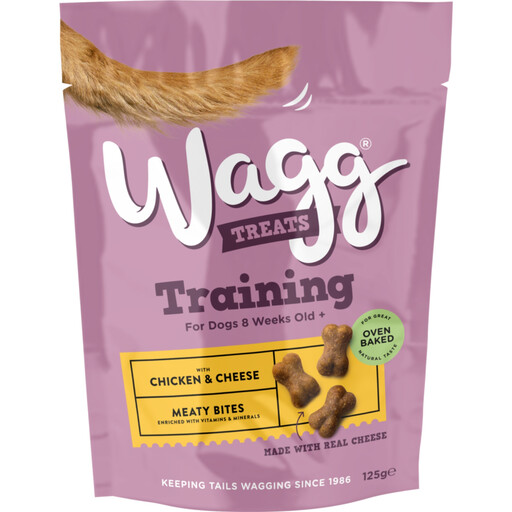
Why This Fits Their Persona: Bringing a new puppy home involves a lot of training and a lot of treats. This multi-pack offers great value, and the treats are suitable for puppies from 8 weeks old. The small, bone-shaped bites are perfect for frequent rewards during those crucial early learning stages.
It directly avoids the "size and texture mismatch" trap. The treats are small and oven-baked, making them easy for a puppy to eat quickly without getting distracted by prolonged chewing.
Enriched with vitamins and minerals to support a puppy's health. Made in the UK with no added sugar.
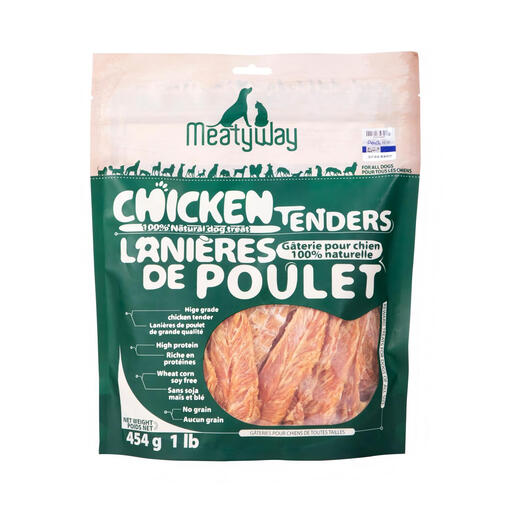
Why This Fits Their Persona: For the owner who reads every label, this treat's appeal is its simplicity. Made with 100% real chicken as the single main ingredient, it's a high-protein, grain-free option that aligns with a focus on pure and natural nutrition for their dog.
This product is the antidote to the "healthy label illusion". With no grains, fillers or artificial additives, what you see is what you get: a simple, high-quality protein source.
Features a high crude protein content (min. 30%) and a soft, easy-to-break texture, making it versatile for training dogs of any size.
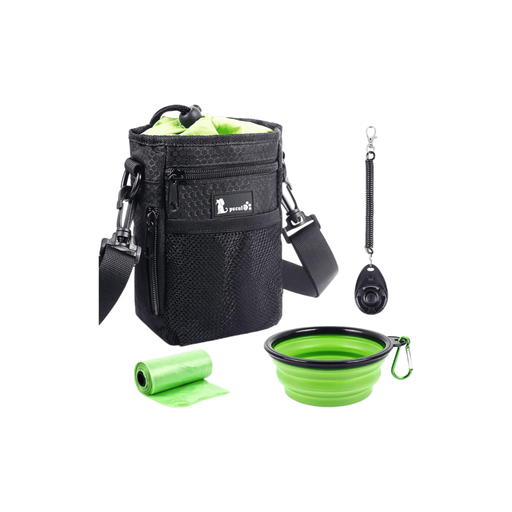
Why This Fits Their Persona: For the owner who trains on the go—during daily walks, at the park or on weekend hikes—organisation is key. This pouch keeps treats fresh and separate, has a built-in poo bag dispenser and offers multiple pockets for a phone and keys, leaving hands free for the lead and clicker.
This is the ultimate solution to the "one-size-fits-all fallacy" and practicality problems. It provides a dedicated, organised system for carrying training essentials, preventing crumbly pockets and fumbling for rewards.
Waterproof fabric protects treats from British weather, and the versatile 3-way carrying system (waist belt, shoulder strap and clip) adapts to any activity.
We have compiled a complete, real-time list of products that fully satisfy these strict selection criteria and UK safety regulations.
A widely accepted guideline is the 10% rule: treats should not constitute more than 10% of your dog's daily caloric intake. For puppies, this is particularly important to ensure their main meals provide the balanced nutrition they need for growth. If you have a heavy training day, remember to slightly reduce the portion size of their regular food to compensate.
Not necessarily. Grain free dog treats are most beneficial for dogs that have a diagnosed grain allergy or a demonstrated sensitivity (which can manifest as skin irritation or digestive upset). For most dogs, grains are a perfectly acceptable source of carbohydrates. If you suspect your dog has a food sensitivity, it is always best to consult with your vet.
Yes, many owners enjoy making homemade treats. Simple recipes using ingredients like pureed pumpkin, peanut butter (ensure it's xylitol-free) and oat flour can be a great option. For perfectly portioned, fun-shaped treats, you can use food-grade silicone moulds like the Essentials by Premier Silicone 9 Trains Red Cake Mould, which are oven and freezer safe. However, commercially prepared healthy dog treats offer the convenience of a balanced, shelf-stable product that's ready whenever you need it.