
24/7 Customer Support

Free returns

Same-day & Next-day Delivery

Quality Guaranteed

Unlock Your Welcome Offers: FREE Delivery | Up to 80% OFF | Free 30-day JoyPlus trial
Download the APP
As a dog owner in the UK, you know that positive reinforcement is key to successful training. The right treat can make the difference between a distracted puppy and an attentive student. Yet, the market is flooded with options and choosing correctly can feel overwhelming. Many products promise the world, but not all deliver on quality or effectiveness.
My role as a Joybuy Product Recommendation Officer is to help you navigate this crowded space. We'll look past the flashy packaging and marketing buzzwords to focus on what truly matters for your dog's health and training progress. Let's start by identifying a few common pitfalls that can lead to wasted money and disappointing results.
To avoid these issues, focus on a few key parameters. Getting these right will ensure you're choosing effective and wholesome dog training treats.
The foundation of any good treat is its ingredient list. Look for products where a specific, high-quality protein source like chicken, duck or fish is listed first. This indicates it's the primary ingredient.
For many owners, grain free dog treats are a priority. While not all dogs are sensitive to grains, a grain-free recipe often means the product is free from common fillers like wheat and corn, relying instead on more digestible carbohydrates like sweet potato or peas. These are often a good choice for puppy training treats or dogs with known allergies. Always check for and avoid:
Simple, limited-ingredient lists are often a sign of higher quality natural dog treats.
For training purposes, the physical form of the treat is crucial. You need something that can be delivered and consumed quickly to maintain your dog's focus. Soft dog treats for training are ideal because they are:
Effective training isn't just about the treats; it's also about your workflow. Fumbling in your pockets for a treat can ruin your timing. A dedicated dog treat pouch is an invaluable tool. It allows for quick, one-handed access to rewards, keeps your clothes clean and often has extra pockets for poo bags, keys or a clicker. Investing in one can make your outdoor training sessions significantly more efficient and enjoyable.
Based on these practical criteria, we've matched a few standout products to different types of UK dog owners.
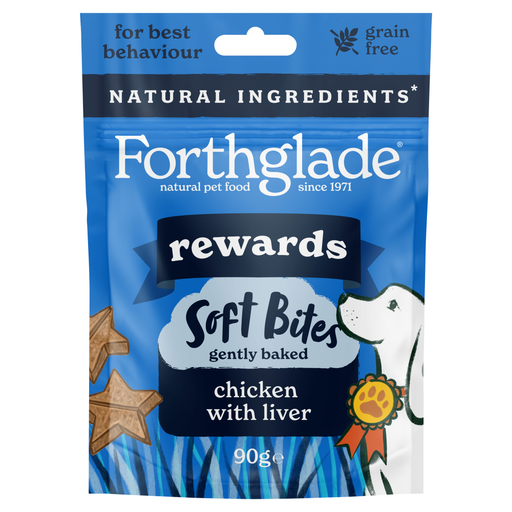
Why This Fits Their Persona: Perfect for those starting their training journey with a young dog. These treats are suitable for puppies from 2 months old and their soft texture is gentle on developing teeth and easy to swallow quickly.
It avoids the "healthy illusion" trap with a grain-free recipe and no junk or fillers, making it ideal for sensitive puppy tummies. The soft-bite texture is designed specifically for training, preventing delays.
High chicken content (34%) for palatability. Easily breakable for smaller rewards and portion control. Made in England.

Why This Fits Their Persona: For the owner who scrutinises every label, this treat offers complete transparency. It's a high-protein, low-fat option made from simple, recognisable ingredients, aligning perfectly with a focus on clean eating for their pet.
This product directly counters the vague ingredient trap. The recipe is simple: tender duck breast and purple sweet potato. It is 100% natural, grain-free and contains no artificial additives, fillers or preservatives.
High in real meat protein for motivation. The jerky texture is satisfying to chew and can be easily torn into smaller pieces for training.
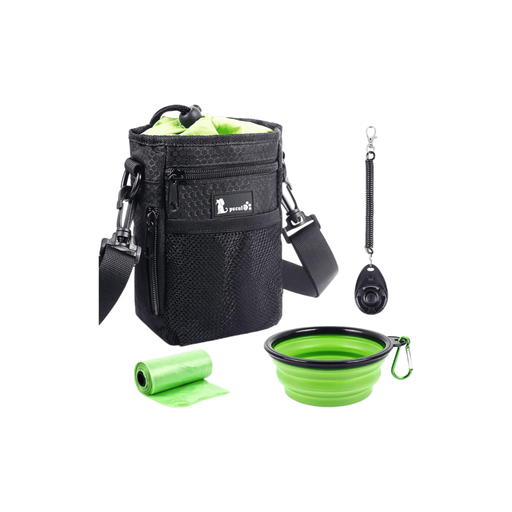
Why This Fits Their Persona: For those serious about obedience, agility or just daily walks, organisation is key. This pouch is a practical tool that streamlines the training process, keeping high-value rewards, poo bags and personal items organised and accessible.
This pouch solves the practical problem of fumbling for messy, crumbly treats. Its waterproof fabric and easy-clean design mean you can carry even soft, high-value treats without ruining your pockets.
Features multiple carry options (waist, shoulder or clip) and an integrated poo bag dispenser. Comes as a complete kit with a clicker and bowl.
We have compiled a complete, real-time list of products that fully satisfy these strict selection criteria and UK safety regulations.
A widely accepted guideline is the 10% rule: treats should not make up more than 10% of your dog's total daily calorie intake. This is especially important for puppies and small breeds. If you're doing a lot of training, use very small pieces of treats and remember to slightly reduce their main meal portion to maintain a healthy weight.
Not necessarily for every dog, but they are a sound choice for many. Grain-free recipes avoid common allergens like wheat and corn, which can cause digestive upset or skin issues in sensitive dogs. They typically use alternative carbohydrate sources like sweet potato or peas. If you're unsure about your dog's dietary needs, a grain-free option is often a safe starting point.
A 'high-value' treat is one your dog finds exceptionally motivating. This is less about nutritional content and more about aroma and taste. Soft, meaty and slightly smelly treats (like those made with real chicken, duck or fish) are often perceived as higher value than dry, plain biscuits. Discovering what your dog considers a top-tier reward is a key part of effective positive reinforcement training.