
24/7 Customer Support

Free returns

Same-day & Next-day Delivery

Quality Guaranteed

Unlock Your Welcome Offers: FREE Delivery | Up to 80% OFF | Free 30-day JoyPlus trial
Download the APP
As a nation of dog lovers, we enjoy rewarding our four-legged companions. Yet, the sheer variety of dog treats on the market can be overwhelming. Navigating labels and marketing claims to find something that is both enjoyable for your pet and genuinely beneficial can feel like a chore. Many well-intentioned owners find themselves caught out by common purchasing pitfalls, leading to wasted money and unsuitable treats.
This guide, prepared by the Joybuy Product Recommendation Office, is designed to help you cut through the clutter. We will highlight a few frequent traps and outline the key factors to consider, ensuring your next purchase is one you and your dog will be happy with.
natural dog treats available, a closer look at the ingredients can reveal artificial preservatives, colours or fillers like excessive corn starch or sugars. A truly natural product should have a simple, recognisable ingredient list.Rawhide chews are popular for being long-lasting, but their suitability can vary. Some are made from processed hides that can become brittle or break into pieces, posing a potential choking or digestive hazard. The key is to look for quality-pressed rawhide and always supervise your dog.puppy treats are formulated differently from adult ones. Always check the packaging for weight and age recommendations to ensure safety and effectiveness.Before adding any treat to your basket, a quick check of a few key parameters can make all the difference. Focusing on these details will help you find healthy dog treats that meet your specific needs.
The composition list is your most reliable source of information. Look for treats with a high meat or single-protein content listed first. If you're seeking grain free dog treats, check that ingredients like wheat, corn and soy are absent. These are often used as fillers and can be problematic for dogs with sensitivities. For dogs on a managed diet, look for options clearly labelled as low fat dog treats and verify this in the nutritional information.
Not all treats serve the same function. Understanding the different types helps you choose more effectively.
This section on the packaging provides a breakdown of the treat's nutritional profile. Pay close attention to the protein and fat content. High-protein treats are excellent for active dogs and training, while a low-fat content (typically under 5%) is crucial for dogs prone to weight gain or pancreatitis. The crude fibre content can also give you an idea of how digestible the treat is.
To help you apply these principles, we have matched a few products from our range to common UK dog owner profiles.
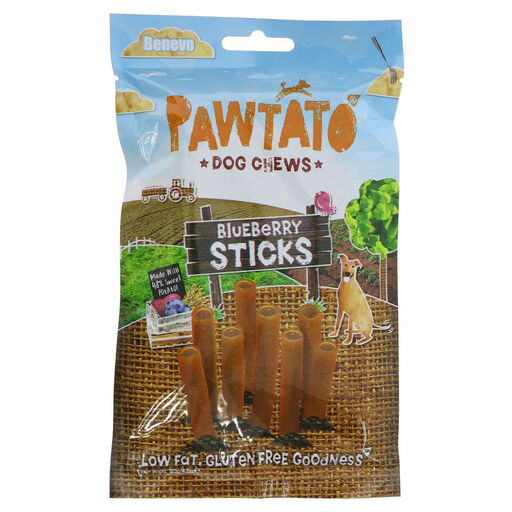
Why This Fits Their Persona: This is an ideal choice for owners managing their dog's dietary sensitivities. The plant-based recipe is free from common allergens like meat, dairy, wheat and soya, making it a safe option for dogs with fussy stomachs or specific food intolerances.
It avoids the "natural" label illusion with a transparent, simple ingredient list based on sweet potato and rice flour. There are no vague derivatives or hidden allergens.
Hypoallergenic and very low in fat (min. 0.5%), making it a great choice for dogs on a weight management plan or those with sensitive digestive systems.
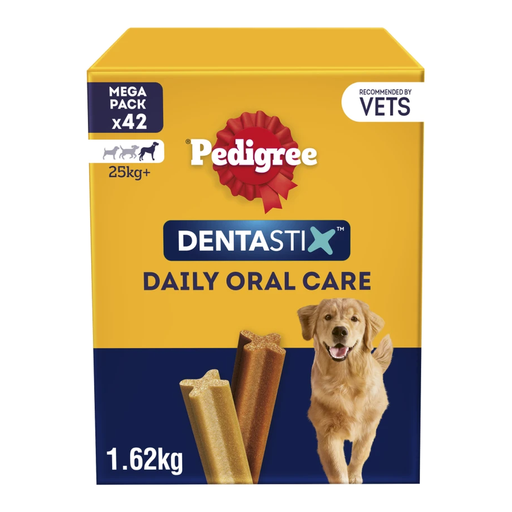
Why This Fits Their Persona: For owners prioritising their dog's oral hygiene, this is a purpose-built solution. It is designed for daily use as part of a dental care routine, helping to manage a common health concern for many dogs in the UK.
It directly counters the "one-size-fits-all" pitfall by being specifically sized for large dogs (over 25kg), ensuring the chew is both safe and effective for its intended user.
According to the brand's own research, the unique X-shape and abrasive texture are scientifically proven to help reduce tartar build-up by up to 80% when fed daily.
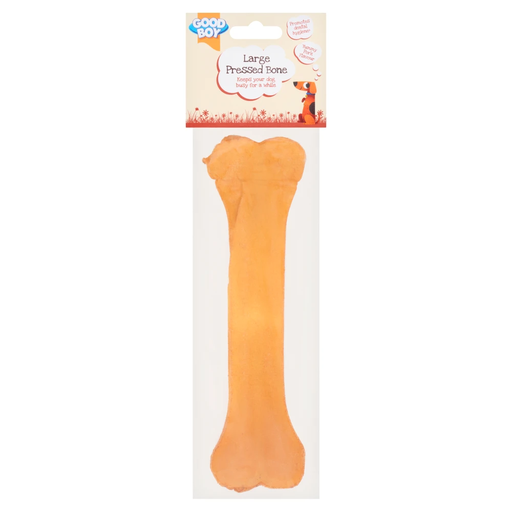
Why This Fits Their Persona: If you have a dog that makes short work of most chews, a durable, pressed bone is an excellent choice. It's designed to satisfy a strong natural chewing instinct, providing mental stimulation and helping to prevent boredom-related behaviours.
This addresses the rawhide riddle by being made from quality rawhide that is pressed for durability. This construction makes it a more robust and long-lasting option when used with supervision.
This is a very high-protein (83%) and low-fat (2.5%) chew, offering a satisfying and long-lasting experience without adding significant fat to your dog's diet.
We have compiled a complete, real-time list of products that fully satisfy these strict selection criteria and UK safety regulations.
A widely accepted guideline is that treats should not make up more than 10% of your dog's total daily calorie intake. This ensures their main meals provide the bulk of their balanced nutrition. If you are using treats for a long training session, consider reducing their main meal portion slightly to compensate.
Not necessarily. Grain free dog treats are primarily beneficial for dogs with a diagnosed grain allergy or sensitivity. For most dogs, grains are a perfectly acceptable source of carbohydrates. The most important factor is the overall quality of the ingredients, whether they are grain-free or not. If you suspect a food sensitivity, it is always best to consult your vet.
The main difference lies in their design and primary function. A dog dental chew typically has a specific shape, texture and sometimes active ingredients designed to mechanically clean teeth and freshen breath. A long lasting dog chew, such as a pressed bone or buffalo horn, is primarily designed for durability to satisfy a dog's instinct to chew over a prolonged period, which provides mental enrichment. While all chewing has some dental benefit, dental chews are specifically engineered for that purpose.