
24/7 Customer Support

Free returns

Same-day & Next-day Delivery

Quality Guaranteed

Unlock Your Welcome Offers: FREE Delivery | Up to 80% OFF | Free 30-day JoyPlus trial
Download the APP
As a nation of dog lovers, we enjoy rewarding our four-legged companions. However, the sheer variety of dog treats on the shelves can be overwhelming. Packaging often features appealing images and vague health claims, making it difficult to distinguish a genuinely beneficial snack from a cleverly marketed, low-nutrition filler. Many UK owners find themselves spending money on treats that are either ignored by their pets or, worse, contribute to weight gain and digestive issues.
Before you add another bag of treats to your basket, it's worth understanding a few common pitfalls. Being aware of these can help you make a more informed choice for your dog's health and your wallet.
To sidestep these issues, focus on a few key parameters on the packaging. This information provides a much clearer picture of what you are actually feeding your dog.
The ingredients are listed in order of weight, so the first few items make up the bulk of the treat. Look for high-quality, specific protein sources.
This table is a legal requirement and gives you an objective breakdown of the treat's nutritional content.
Consider how you plan to use the treats. Are they for training, a long-lasting chew to keep your dog occupied or a special reward?
To help you navigate the options, we've matched some products to common dog owner profiles in the UK.
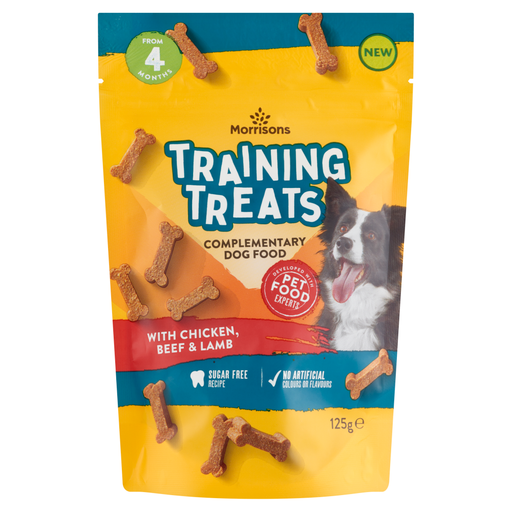
Why This Fits Their Persona: Perfect for owners engaged in regular training sessions. These treats are small and come in a flavour variety, ideal for frequent rewarding without overfeeding. They are suitable for dogs from 4 months old, making them a versatile choice for ongoing obedience work.
It directly counters the "hidden fillers" trap by being formulated with a sugar-free recipe and no artificial colours or flavours, making it a more responsible choice for repetitive treating during training.
Developed with pet food experts. The small size and mixed protein sources (chicken, beef, lamb) help maintain a dog's interest during training sessions.
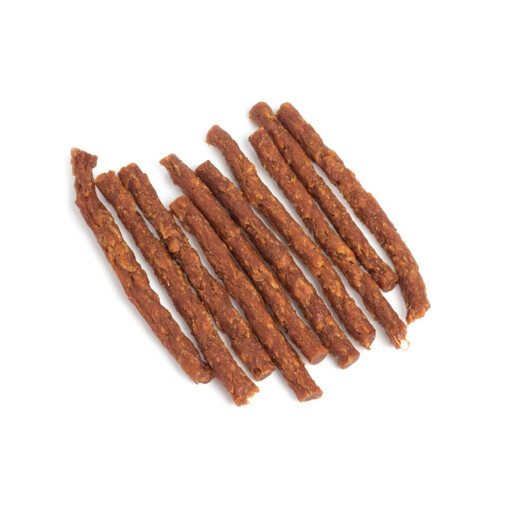
Why This Fits Their Persona: For the owner who scrutinises every ingredient. These treats are made with a very high percentage of real meat and have a simple, clean recipe that aligns with a philosophy of feeding pets wholesome, recognisable foods.
This product cuts through the "natural illusion" by clearly stating it contains 82% chicken breast. There is no ambiguity, and the absence of added salt or sugar confirms its place as a healthier option.
High in protein (≥28.0%) and low in fat (≤2.0%). The combination of real chicken and sweet potato provides a balance of protein and fibre.
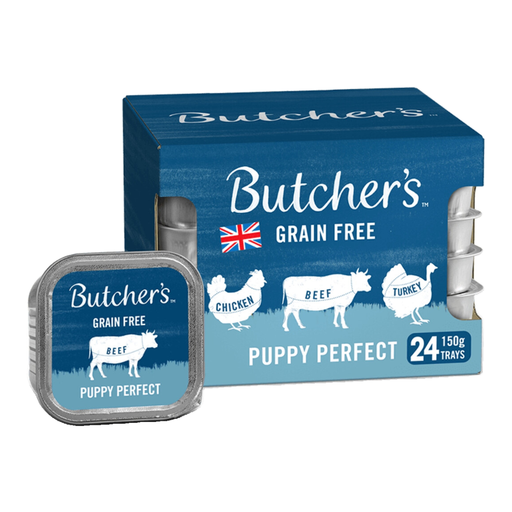
Why This Fits Their Persona: While technically a complete wet dog food UK product, these trays are ideal for new puppy owners. They can be used as a meal, a topper or a high-value reward for training. The soft texture is gentle on young mouths, and the formulation is tailored for growth.
It avoids the "one-size-fits-all" trap by being specifically designed for puppies. The grain-free recipe is gentle on developing digestive systems, and it includes added nutrients that adult treats lack.
Enriched with salmon oil for omega 3 & 6 fatty acids (supporting skin and coat) and prebiotics to aid healthy digestion. It's a complete and balanced meal, not just a treat.
We have compiled a complete, real-time list of products that fully satisfy these strict selection criteria and UK safety regulations.
A widely accepted guideline is that treats should not constitute more than 10% of your dog's total daily calorie intake. This prevents unbalancing their diet and helps manage their weight. Always check the feeding guide on the packaging and adjust your dog's main meals accordingly, especially if you are doing a lot of training.
Not necessarily. Grain-free diets are crucial for dogs with diagnosed grain allergies or sensitivities. For most other dogs, the key is the quality and digestibility of the ingredients, not just the absence of grains. A treat made with high-quality, whole grains can be more nutritious than a grain-free one filled with low-quality starches. Focus on the overall ingredient list and your dog's individual needs.
This is an important distinction. 'Complete' means the food contains all the nutrients your dog needs to be healthy and can be fed as their sole diet. 'Complementary' foods, which include most dog treats, are not nutritionally complete. They are designed to be fed alongside a balanced main diet as a reward or snack.