
24/7 Customer Support

Free returns

Same-day & Next-day Delivery

Quality Guaranteed

Unlock Your Welcome Offers: FREE Delivery | Up to 80% OFF | Free 30-day JoyPlus trial
Download the APP
Choosing dog treats can seem simple until you compare puppy treats, adult dog treats, training rewards and dental chews for dogs. Packaging often highlights flavour, added vitamins or “natural” recipes, while the information that affects suitability may be smaller: age limits, fat content, portion guidance and chew size.
Before placing an order, watch for three common pitfalls:
Look for a clear statement such as “puppies from 4 months”, “dogs aged 8 weeks and over” or “adult dogs only”. Puppies have different feeding requirements from adult dogs, so puppy treats should be selected according to the label rather than the product’s appearance.
For example, several adult products in this range are not suitable for puppies under four months. By contrast, Pointer Puppy Love Baked Dog Treats are labelled for puppies and small dogs, while Wagg Tasty Bones are labelled for dogs from eight weeks. Always check the packaging supplied with your order, as feeding instructions can vary between recipes and pack sizes.
Size guidance is equally important. A small dog may need a bite-sized biscuit or a soft treat that can be broken into smaller portions. Larger dogs may manage a substantial chew, but this does not remove the need for supervision.
The ingredient list shows what the recipe contains, while the analytical constituents provide percentages for protein, fat, crude fibre, moisture and ash. These figures help you compare products more objectively.
If you are looking for low-fat dog treats, compare the stated fat content rather than relying on phrases such as “light” or “guilt-free”. For instance, Misfits Twistos with Chicken lists 3.5% fat, while Misfits Twistos with Beef lists 5.0%. Bakers Medium Dog Treat Meaty Twists also lists 3.5% fat and has a twisted, chewy format.
Treats can still contribute meaningful calories. Pedigree Biscrok Gravy Bones lists 349 kcal per 100g, while Adventuros Wild Flavour Nuggets lists 2% fat and 13% protein. These products are not interchangeable, so portion size should reflect your dog’s weight, activity level and main diet.
Also review potential allergens. Cheese-based dog biscuits may not suit dogs with known dairy sensitivities, and wheat or cereal-based recipes may be unsuitable for some dogs. If your dog has a diagnosed condition or specific dietary requirement, ask your vet before changing treats.
Soft dog treats are often convenient for training because they can be portioned quickly and swallowed without interrupting a session. Forthglade Functional Natural Training Soft Bite Treats are described as breakable and suitable from two months, making the format practical for puppy training or small breeds.
Crunchy dog biscuits can provide a different sensory experience and are easy to store. Chewy formats, including twists and bars, are better suited to dogs that enjoy extended chewing, but they require closer observation. Dental chews for dogs should not be treated as a replacement for routine dental care, and claims about plaque or tartar should be interpreted according to the product label rather than as a medical guarantee.
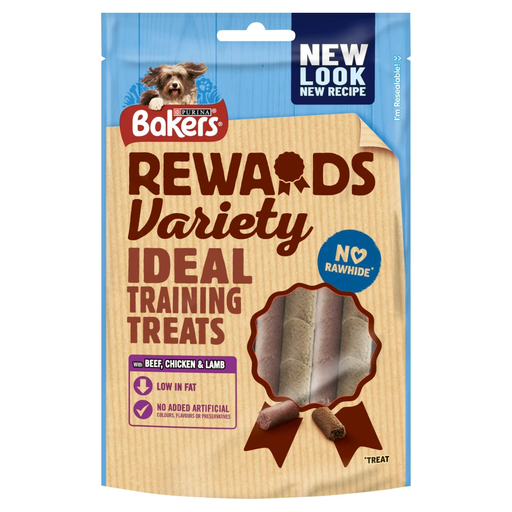
Why This Fits Their Persona: A practical choice for households wanting one compact pack for everyday rewards, short walks and basic training. The mixed chicken, lamb and beef varieties add flavour choice without buying several separate bags.
The pack is labelled as a complementary treat for dogs from four months and can be broken into smaller pieces for training, helping with portion control.
Three stated flavours; 36.5% protein and 7.1% fat; no added artificial colours, flavours or preservatives according to the supplied product information.
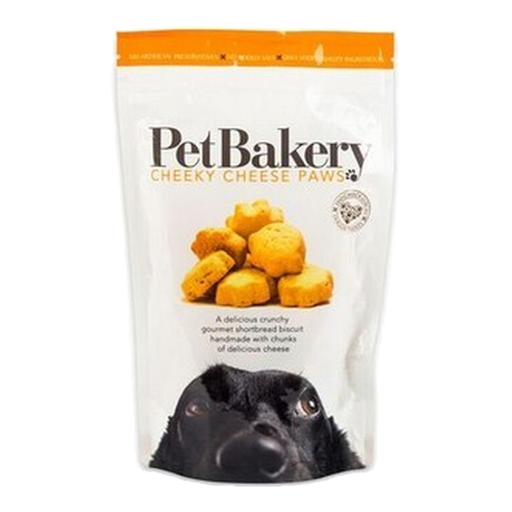
Why This Fits Their Persona: Suitable for owners seeking a hand-finished biscuit format for occasional rewards, bonding moments or a crunchy snack alongside a balanced diet.
The product information specifies an occasional treat and recommends small portions, making it less likely to be mistaken for a meal replacement.
Shortbread-style paw biscuits; 10% cheese; supplied information states no artificial colours, sweeteners or preservatives.
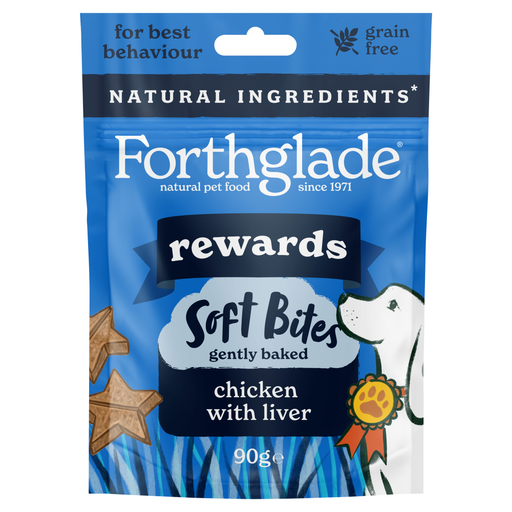
Why This Fits Their Persona: Designed for frequent rewards during puppy classes, recall practice or daily walks where a soft, breakable piece is easier to manage than a large biscuit.
Its stated use is training, and the pieces can be split for smaller portions. The label advises limiting treats to 10% of daily calorie intake.
34% chicken is stated in the supplied description; soft-bite texture; resealable pouch; suitable from two months.
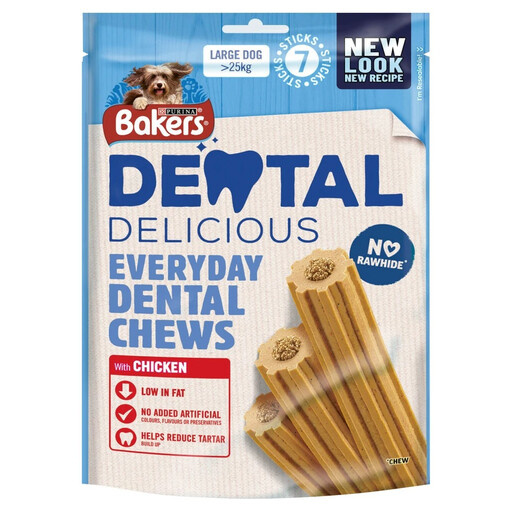
Why This Fits Their Persona: A suitable format for owners of adult large dogs that enjoy a longer chew rather than several small training rewards.
The product is specifically presented for adult dogs and its larger format makes size matching more explicit than using small rewards for extended chewing.
Large dog format; chicken content is stated as 4%; analytical fat content is 4.3%; the label advises supervision and fresh water.
We have compiled a complete, real-time list of products that fully satisfy these strict selection criteria and UK safety regulations.
There is no single amount for every dog. Follow the product’s feeding guide and account for your dog’s weight, age, activity level and main food. Training treats should usually be kept small, while a large chew may count as a more substantial reward. Adjust the main meal to help avoid overfeeding.
They can be. Puppy treats may be smaller, softer or labelled for a particular minimum age. Some contain nutrients such as calcium, but they remain complementary pet food rather than a replacement for complete puppy food. Always follow the stated age guidance.