
24/7 Customer Support

Free returns

Same-day & Next-day Delivery

Quality Guaranteed

Unlock Your Welcome Offers: FREE Delivery | Up to 80% OFF | Free 30-day JoyPlus trial
Download the APP
Choosing dog treats is not simply a matter of picking the flavour your dog likes. Texture, ingredients, age suitability, calories and intended use all affect whether a product fits your pet’s routine. A small training treat may suit a puppy, while a long-lasting chew could be unsuitable for a dog with dental problems.
This guide explains the main buying traps and the practical specifications to check before purchasing natural dog treats, puppy treats, dental chews for dogs or everyday rewards.
Natural dog treats can contain only one ingredient, but that does not make every option suitable for every dog. For example, a single-ingredient pig ear may be grain-free and free from artificial colours, yet it can still be relatively high in fat and unsuitable for puppies, elderly dogs or dogs with poor dental health.
Always check the age guidance, fat content, texture and feeding instructions rather than relying on front-of-pack wording.
A flavour name does not always indicate the quantity of that meat. Some meaty dog treats contain cereals, glycerol, vegetable ingredients and flavourings alongside meat and animal derivatives. Review the composition list and look for clearly stated percentages where available.
This is especially important when comparing dog treats for sensitive stomachs or when your dog has known food intolerances.
Treats are complementary pet food, not a replacement for a complete diet. Frequent rewards can add considerable energy to your dog’s daily intake. The product label should provide feeding guidance, but you may also need to break larger soft dog treats into smaller pieces.
Reduce the main meal when appropriate, monitor body condition and avoid leaving chews available for unsupervised consumption.
Puppy treats should clearly state the minimum age. Some products are suitable from eight weeks, while others are intended for puppies from two, three or four months. Adult-only products may have firmer textures or feeding guidance that is not appropriate for young dogs.
Breed and size also matter. A small training bite may be practical for a toy breed, while larger dogs may need a chew sized to reduce the risk of swallowing it whole. Always follow the packaging guidance and supervise feeding.
Compare the following information:
Grain-free dog treats are not automatically necessary for every dog. Choose them because they fit your pet’s dietary requirements, not simply because the term appears on the packaging.
Match the treat to the task:
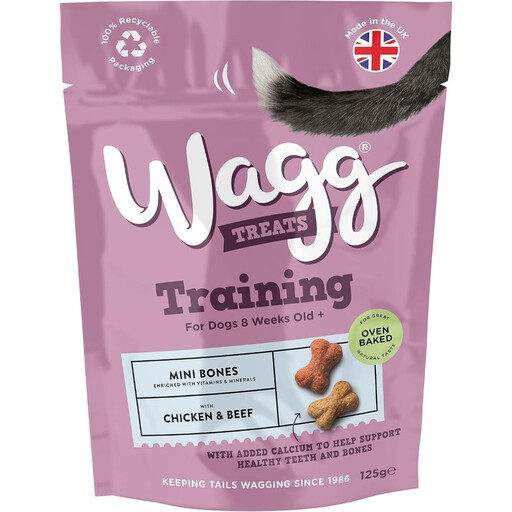
Why This Fits Their Persona: The seven 125g packs provide a practical supply for owners starting regular reward-based training at home or on UK walks.
The pack format makes quantity clear, while the label identifies the treats as complementary food for dogs over eight weeks. Portions should still be adjusted within the daily diet.
Oven-baked bone-shaped treats; 24% protein and 8% fat; contains no added sugar according to the supplied product information.
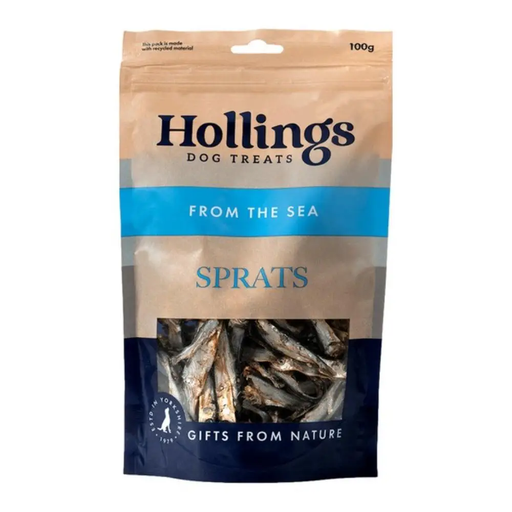
Why This Fits Their Persona: Owners who prefer a single-ingredient option can consider these dried sprats for occasional rewarding or adult-dog snacking.
The composition is listed as sprats fish at 100%, avoiding an unclear multi-ingredient recipe. The product information states that it is for adult dogs and not for puppies or dogs with dental issues.
100% sprats; listed at 79% crude protein and 3% fat; no artificial colours, flavours or preservatives listed in the supplied details.
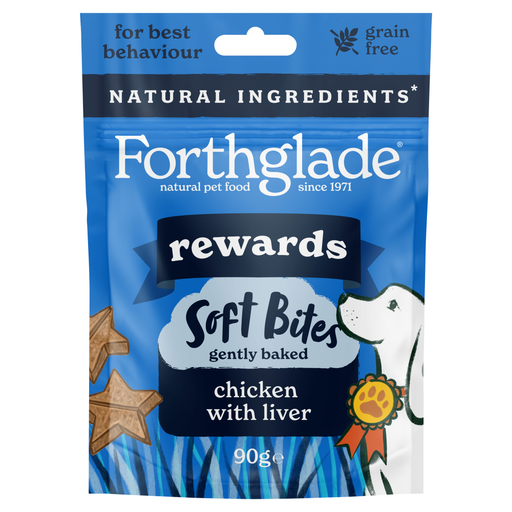
Why This Fits Their Persona: The soft texture and breakable format are practical for dogs aged two months and over, especially during frequent puppy training.
The label gives a minimum age, recommends breaking treats for small dogs or puppies, and states a limit of 10% of daily calorie intake. Check the full composition for your dog’s needs.
Soft-bite texture; grain-free recipe; supplied information lists 34% chicken and 28% crude protein.

Why This Fits Their Persona: Owners seeking a purpose-led chew for dogs over four months can consider this medium dental-twist format, subject to size and chewing behaviour.
It is rawhide-free and provides a stated age recommendation. The pack also warns that it contains nuts or peanuts, so ingredient checking remains essential.
Textured design; rawhide-free recipe; one piece is listed as 85 kcal, making portion awareness important.
We have compiled a complete, real-time list of products that fully satisfy these strict selection criteria and UK safety regulations.
There is no single amount for every dog. Follow the product feeding guide, consider your dog’s weight and activity level, and keep treats within the recommended proportion of the daily diet. Several products state that treats should not exceed 10% of daily calorie intake. Reduce the main meal where necessary.
No. Dental chews may encourage chewing and provide mechanical contact with teeth, but they do not replace a suitable dental-care routine or veterinary advice. Choose the correct size, supervise your dog and avoid dental chews that conflict with age, allergy or dental-health warnings.
Look for a clear minimum age, soft texture and manageable portion size. Puppy treats may be suitable from eight weeks, two months, three months or four months depending on the product. Avoid adult-only chews and always check whether the texture is appropriate for developing teeth.