
24/7 Customer Support

Free returns

Same-day & Next-day Delivery

Quality Guaranteed

Unlock Your Welcome Offers: FREE Delivery | Up to 80% OFF | Free 30-day JoyPlus trial
Download the APP
Choosing dog treats can look straightforward until you compare ingredients, textures, feeding instructions and age ranges. A colourful packet may promise natural ingredients or functional benefits, but the details on the back usually matter more than the front-of-pack messaging.
For UK dog owners, the right treat should suit your dog’s age, size, chewing ability, dietary needs and intended use. Whether you need training treats for dogs, dental chews or an occasional reward, these checks can help prevent wasted money and unsuitable purchases.
Most dog treats are labelled complementary pet food, meaning they are designed to supplement—not replace—a complete, balanced diet. Feeding too many can add considerable calories, particularly when several family members reward the same dog throughout the day.
As a practical guide, many products recommend keeping treats within 10% of daily calorie intake. Reduce the main meal slightly when treats are used frequently, and follow the feeding instructions on the packaging.
Natural dog treats can still contain ingredients that do not suit every pet. Grain-free dog treats are not automatically lower in calories, and recipes containing meat, dairy, wheat or botanicals may not be appropriate for dogs with known sensitivities.
Read the full composition rather than relying on terms such as “natural”, “premium” or “hypoallergenic”. If your dog has a diagnosed condition or follows a veterinary diet, check the ingredients with your vet before introducing something new.
A small puppy, senior dog and powerful large breed have different chewing requirements. Hard dental chews may be unsuitable for young puppies or dogs with fragile teeth, while soft dog treats may be swallowed quickly by a dog that eats rapidly.
Check the recommended age and weight range, break treats into smaller pieces where appropriate, and supervise chewing. A chew should never be so small that it can be swallowed whole.
The ingredients list is normally presented in descending order by weight. Look for clearly declared ingredients and check the analytical constituents, including:
For example, MeatyWay Chicken Tenders list chicken as the sole ingredient, with 70% crude protein and 5% crude fat according to the supplied product information. By contrast, a soft training treat may contain more moisture and carbohydrate-based ingredients to create a breakable texture.
Select the format according to the task:
Soft treats, meat snacks and paste products can require more careful storage than dry biscuits. Look for resealable packaging and follow the label’s instructions after opening. Arden Grange Tasty Salmon Treat Paste, for example, should be refrigerated after opening and used within the recommended period.
Never feed treats that have changed smell, colour or texture. Keep all products away from children and pets when not in use.
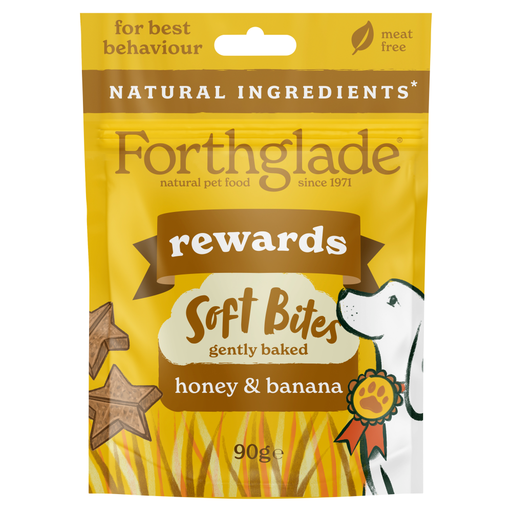
Why This Fits Their Persona: A practical meat-free option for everyday rewards, puppy routines and short training sessions. The resealable 90g pouch is convenient for home use or walks around the UK.
The soft texture can be broken into smaller portions, helping control serving size instead of giving oversized rewards.
Grain-free recipe; 99% plant-based ingredients; suitable for dogs aged 2 months and over.
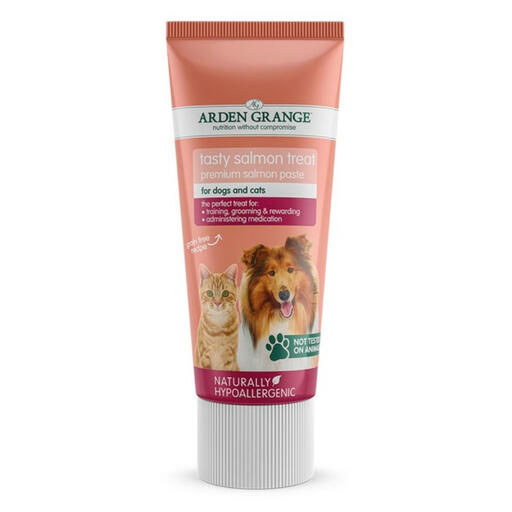
Why This Fits Their Persona: The salmon paste format suits owners wanting one product for training, grooming, rewards or hiding medication, while also appealing to households with cats.
The tube allows small amounts to be dispensed, making portions easier to adjust than large biscuits or sticks.
Contains 40% fresh salmon; grain-free; suitable for dogs and cats from 8 weeks, subject to label guidance.
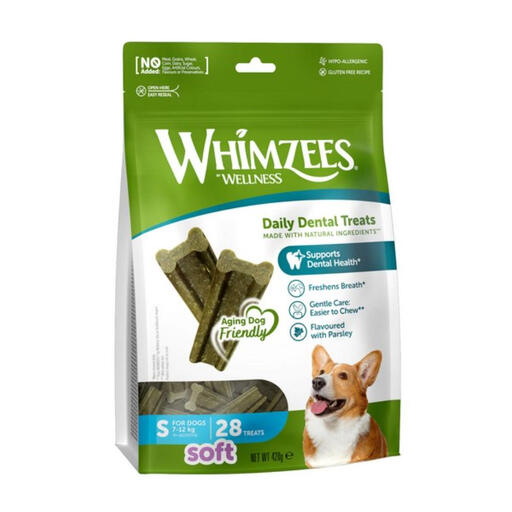
Why This Fits Their Persona: A structured option for owners maintaining a regular dental-chew routine, particularly for adult or senior dogs within the stated 7–12kg range.
The pack provides clear daily-use guidance and a softer texture, helping owners avoid choosing a chew that is too hard or too large.
28 treats per bag; 3.3% crude fat; product information states a softer texture than the brand’s standard adult dental sticks.
We have compiled a complete, real-time list of products that fully satisfy these strict selection criteria and UK safety regulations.
There is no single amount for every dog. Use the product’s feeding guide, consider your dog’s size and activity, and keep treats to around 10% of daily calorie intake where the label recommends this. Reduce meal portions if rewards are frequent.
Some are suitable from a stated age, while others are designed only for adult dogs. Check the label carefully: products in this range include options from 2 months or 8 weeks, but dental chews may have higher minimum ages and specific weight limits.
No. Dental chews can form part of an oral-care routine, but they do not replace appropriate brushing or veterinary advice. Choose the correct size, provide fresh water and supervise your dog throughout chewing.