
24/7 Customer Support

Free returns

Same-day & Next-day Delivery

Quality Guaranteed

Unlock Your Welcome Offers: FREE Delivery | Up to 80% OFF | Free 30-day JoyPlus trial
Download the APP
Choosing dog treats can look simple until a packet makes broad claims about being “natural”, “healthy” or suitable for every dog. UK pet owners can easily spend more than planned on treats that are too large, unsuitable for their dog’s age or difficult to portion.
The main traps are often hidden in the detail:
Always check the recommended age and body-weight range. Puppy treats are generally smaller or softer, while senior dogs may find hard chews uncomfortable. A product intended for large dogs should not automatically be given to a small breed.
For example, WHIMZEES Alligator Large is specified for dogs aged over 9 months and weighing 18–27kg, with a feeding direction of one chew per day. WHIMZEES Soft Value Bag S is intended for dogs over 9 months and weighing 7–12kg. These restrictions are important for safe sizing and portion control.
Supervise your dog whenever they eat a chew or treat. Break soft dog treats into smaller pieces for puppies and small breeds, and remove any product that becomes small enough to swallow whole.
Look beyond phrases such as “healthy dog treats” or “natural dog treats”. Compare:
MeatyWay Chicken Tenders contain chicken as the single listed ingredient, with analytical constituents showing 70% crude protein and 5% crude fat. By comparison, Wagg Low Fat Dog Treats with Turkey & Rice contain 4% crude fat and include wheat, turkey meal and rice. Neither profile suits every dog, so the right choice depends on dietary requirements and how the treat will be used.
Treats are complementary food unless the packaging specifically states that the product is complete. They should generally account for no more than 10% of a dog’s daily calorie intake, with main meals adjusted accordingly.
Different formats solve different everyday problems:
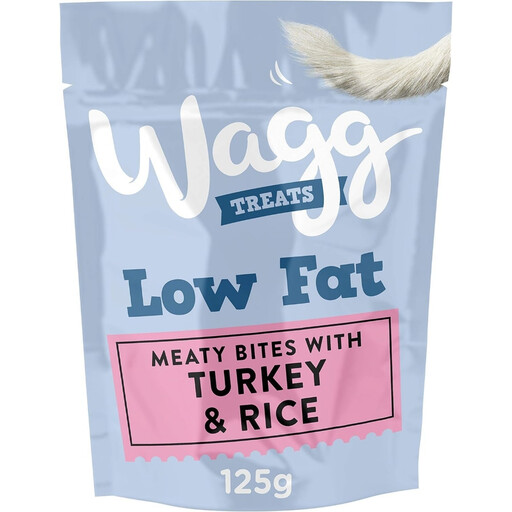
Why This Fits Their Persona: The 7 × 125g format provides a practical supply for everyday rewards, training or occasional snacks in a busy UK household.
The pack size is clear, and the stated 4% crude fat makes it easier to compare with richer treats. It still contains wheat, so it is not suitable for every sensitive dog.
Pack of seven bags; 4% crude fat; suitable from 8 weeks according to the supplied product information.
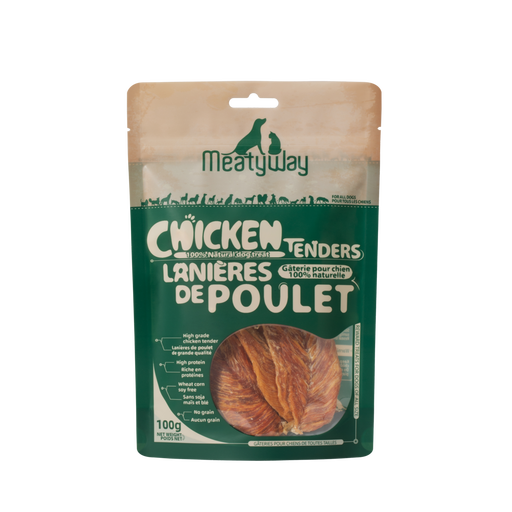
Why This Fits Their Persona: Suitable for owners seeking a simple meat dog treat with a short ingredient list for rewards or occasional feeding.
The supplied composition lists chicken as the ingredient, rather than relying only on a front-of-pack flavour description.
Single-ingredient chicken listing; 70% crude protein; soft jerky texture that can be broken into portions.
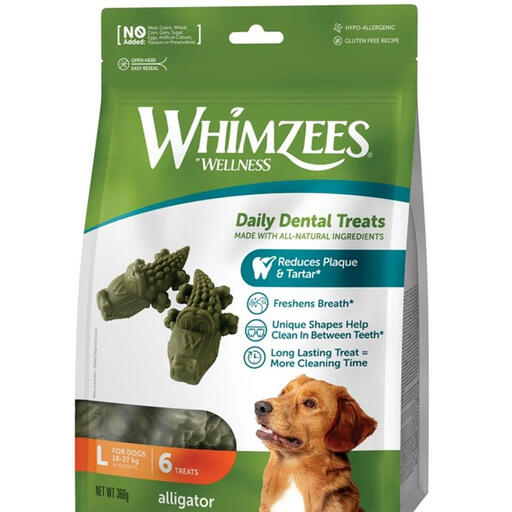
Why This Fits Their Persona: A large adult dog owner wanting a defined daily dental chew rather than several small snacks may find the six-pack format convenient.
The product specifies one chew daily and a weight range of 18–27kg, reducing guesswork around sizing and frequency.
Vegetable-fibre recipe; 2% crude fat; resealable packaging and a stated 176 kcal per 60g chew.
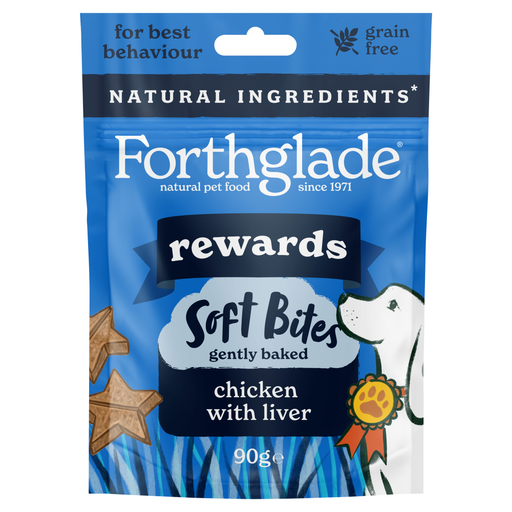
Why This Fits Their Persona: The soft, breakable format is suited to frequent rewards during puppy classes, recall practice or everyday behaviour training.
The product is labelled for dogs from 2 months and can be split into smaller portions, while the feeding guidance sets a 10% daily calorie limit.
34% chicken listed in the recipe; grain-free formula; 28% crude protein and resealable 90g pouch.
We have compiled a complete, real-time list of products that fully satisfy these strict selection criteria and UK safety regulations.
Keep treats in a cool, dry place and reseal pouches after use. Some soft products should be consumed within 28 days of opening, while other products have different instructions. Follow the packaging rather than assuming a long shelf life.
Introduce unfamiliar treats gradually. If your dog has a diagnosed allergy, digestive condition, dental problem or weight-management plan, check the ingredients and speak to a vet before changing treats. Fresh water should always be available, particularly with chew products.
There is no universal number because calorie needs vary by size, age and activity. Use the product’s feeding guide and keep treats to around 10% of daily calorie intake unless your veterinary professional advises otherwise. Reduce the main meal accordingly.
Some are labelled for puppies from a specified age, including certain soft training treats from 2 or 3 months. However, grain-free does not automatically mean appropriate. Check the age guidance, texture, portion size and complete ingredient list before buying.
No. Dental chews can form part of an oral-care routine, but they do not replace brushing, regular checks or veterinary advice. Choose the correct size, supervise chewing and contact a vet about persistent bad breath, bleeding gums or difficulty eating.