
24/7 Customer Support

Free returns

Same-day & Next-day Delivery

Quality Guaranteed

Unlock Your Welcome Offers: FREE Delivery | Up to 80% OFF | Free 30-day JoyPlus trial
Download the APP
Choosing dog treats can seem simple until you compare ingredients, fat content, pack sizes, age guidance and chew strength. A colourful pouch may promise dental care or long-lasting enjoyment, but the details on the back of the pack usually matter more than the front.
For UK dog owners, the right choice depends on your dog’s age, weight, chewing habits, dietary needs and intended use. A small training reward is not interchangeable with a large dog bone, and a daily dental dog treat should not automatically replace brushing or veterinary dental care.
Most dog treats and dog chews are complementary pet foods, not complete meals. Their calories and nutrients should be considered alongside your dog’s normal diet. Feeding too many can contribute to unwanted weight gain, even when the packaging uses terms such as “low-fat” or “natural”.
Check the feeding guidance and reduce the main meal where appropriate. Treats should remain an occasional reward or a controlled part of daily training.
Natural dog treats can still be rich, hard to digest or unsuitable for dogs with allergies. Ingredients such as pork, chicken, beef, cereals, peanut butter and glycerine may not suit every pet. Rawhide bones for dogs also require careful supervision because large pieces can cause digestive upset or become a choking risk if swallowed.
Always read the full composition rather than relying only on phrases such as “natural”, “meaty” or “grain-free”.
A treat labelled for “adult dogs” may still be unsuitable for a puppy, a small breed or a dog that swallows food quickly. Hard dog bones and long-lasting dog chews should match your dog’s size and chewing ability. Remove broken or small pieces, and replace a chew once it becomes small enough to swallow.
Age guidance is a practical safety filter. For example, some products are suitable from 8 weeks, while others are intended for dogs over 4 months or adult dogs over 9 months. Weight ranges are equally important: Rosewood Magic Bone products are specified for adult dogs weighing 7–12 kg, while certain Jumbone products are designed for small or medium-sized dogs.
Do not choose treats for large dogs simply because your dog enjoys strong chewing. The product must also be an appropriate size and texture.
Compare the composition and analytical information, including:
For example, Good Boy Duck and Calcium Bones list duck breast at 55%, calcium carbonate at 7.7%, 28% crude protein and 1% fat. By contrast, Webbox Serrano Ham Bones are made from pork and list 14% crude fat in one bundle specification. These are different treat styles, so comparing fat and feeding frequency is more useful than comparing marketing language.
Training treats for dogs should be easy to portion and quick to eat, whereas a boredom-relief chew may need a firmer texture. Dental dog treats can provide mechanical chewing action, but they should not be described as a guaranteed solution for plaque or dental disease.
For any bone, rawhide chew or firm treat, supervise your dog and provide fresh drinking water. Dogs with existing dental, digestive or allergy concerns may need individual advice from a veterinary professional.
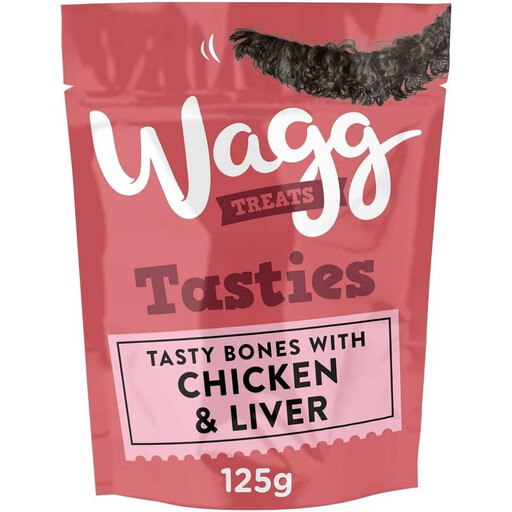
Why This Fits Their Persona: The multi-pack format suits owners who want a practical supply for everyday rewards, short training sessions or occasional snacks.
The pack states its suitability from 8 weeks and provides feeding guidance by dog size, making age and portion checks more straightforward.
Pack of 7 × 125g bags; contains chicken meal and chicken liver digest; no added sugar is listed.
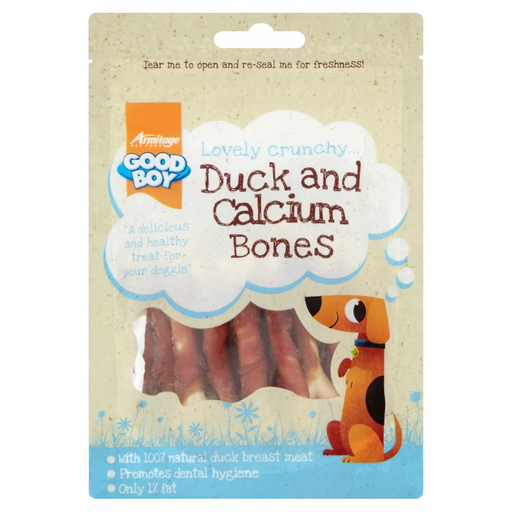
Why This Fits Their Persona: Owners comparing named ingredients, lower fat content and a wheat-free recipe may find this option easier to assess against their dog’s regular diet.
Its stated composition and nutrition figures make it possible to check the duck percentage, fat content and calcium inclusion rather than relying on vague claims.
100% natural duck breast is stated as the main ingredient; 1% fat; wheat-free; no artificial colours, flavours or preservatives listed.
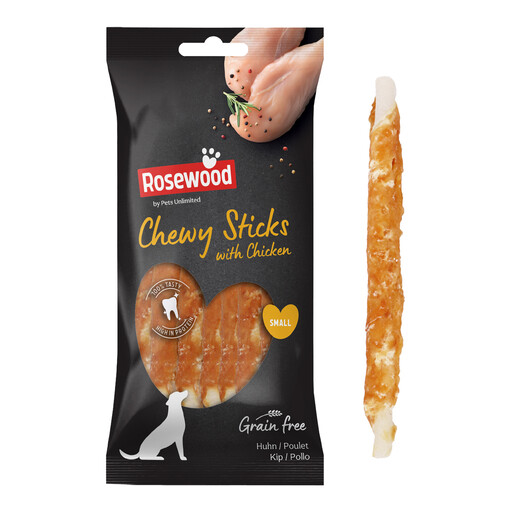
Why This Fits Their Persona: Designed for adult dogs weighing 7–12 kg, these chews suit owners seeking a portion-controlled dental-style treat for a specific medium-to-small dog profile.
The stated weight range and one-chew-per-day guidance help prevent the common mistake of choosing a chew that is too large or feeding beyond the label.
Seven chicken-flavour chews; 5.5% crude fat; includes 0.20% chamomile extract and a chewy texture for extended chewing.
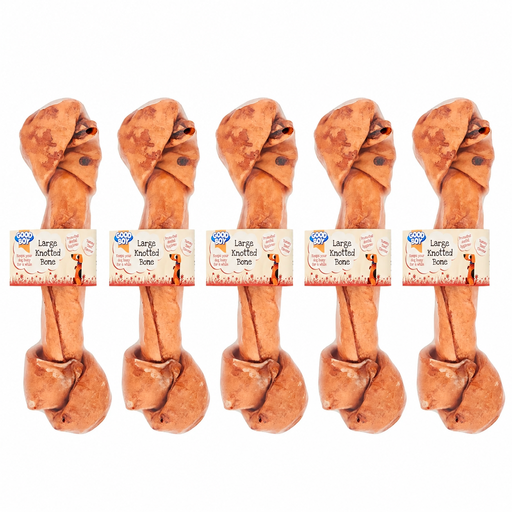
Why This Fits Their Persona: The five-piece format is practical for owners of medium or large dogs that regularly need an enrichment chew, provided the dog chews rather than swallows.
The pack is clearly presented as five 100g pieces, while the guidance warns against use for dogs that swallow treats without chewing.
Five large knotted bones; 100g each; listed at 80% crude protein and 2% crude fat; designed for chewing enrichment.
We have compiled a complete, real-time list of products that fully satisfy these strict selection criteria and UK safety regulations.
There is no single amount for every dog. Follow the product’s feeding guide, consider your dog’s weight and activity, and reduce the main meal if necessary. Smaller training treats are usually easier to portion than large dog chews.
Some are suitable from 8 weeks, while others are not recommended until 4 or 9 months. Check the label carefully. Puppies and dogs that swallow quickly should not be given hard or large chews without appropriate supervision.
Lifespan varies with texture, size and chewing style. A firm rawhide or bone-style chew may last longer than a soft reward, but it should be removed when it becomes small, cracked or fragmented. Never leave your dog unattended with a chew, even if it is described as long-lasting.