
24/7 Customer Support

Free returns

Same-day & Next-day Delivery

Quality Guaranteed

Unlock Your Welcome Offers: FREE Delivery | Up to 80% OFF | Free 30-day JoyPlus trial
Download the APP
Choosing dog treats can seem simple until you compare ingredient lists, textures, feeding guides and age recommendations. A colourful packet may promise a natural recipe or dental support, yet still be unsuitable for a puppy, overweight dog or powerful chewer.
The right treat depends on why you are buying it, your dog’s age and size, and how the snack fits into their daily calorie intake. This guide explains the main buying traps, the label details worth checking and a selection of dog treats for different UK households.
Terms such as “natural”, “meaty” and “with chicken” do not tell you everything about a product. Check the full composition, not only the front of the pack. A treat labelled “with chicken” may contain a relatively modest percentage of chicken, while another product may list chicken breast as its primary ingredient.
Also check whether the product is described as complementary pet food. This means it is intended to be fed alongside a complete diet, rather than replacing your dog’s main food.
Crunchy dog biscuits, rawhide-style chews and dental sticks are not interchangeable. A large, hard chew may be unsuitable for a small dog, while soft dog treats are generally easier to portion during training.
Age guidance matters too. Several products are not suitable for puppies under four months, while puppy treats may be designed for a particular developmental stage. Always follow the product label and supervise your dog when feeding chews.
A treat can be small but calorie-dense. Meaty dog treats and some soft chews may contain considerably more fat than low-fat dog treats. Feeding several rewards during a training session can quickly add up.
Use the manufacturer’s feeding guide, reduce the main meal where appropriate and keep treats within a sensible proportion of daily intake. Dogs with diagnosed health conditions or dietary sensitivities may need individual advice from a veterinary professional.
Ingredients are generally listed by weight. If you want natural dog treats with a clearly identifiable animal protein, look for specific terms such as chicken breast, duck or beef rather than relying on a broad phrase such as “meat derivatives”.
For example, Good Boy Pigs in Blankets lists chicken breast at 48%, duck breast at 15% and pork at 15%. It is also wheat free and contains no artificial colours, flavours or preservatives according to the supplied product information. However, its 19% fat content means it may be more suitable as an occasional reward than an unrestricted daily snack.
The label’s analytical constituents show values such as crude protein, crude fat, fibre, ash and moisture. These figures help you compare products, although they do not replace the feeding instructions.
For lower-fat options, Morrisons 7 Joint Support Sticks list crude oils and fats at 3%, while Morrisons Medium Breed Dental Sticks list crude fat at 2%. By contrast, Good Boy Succulent Chicken Sausages list 22% fat. Neither figure alone determines suitability, but it provides useful context when choosing treats for dogs that need careful weight management.
Match the product to the intended use:

Why This Fits Their Persona: The 650g pack suits households wanting a familiar everyday biscuit for walks, rewards or occasional snacks without buying several small bags.
The product information lists a 5% fat content and provides size-based feeding guidance, making portion planning clearer than relying on vague front-of-pack claims.
Oven-baked crunchy texture; 650g quantity; chicken flavour and wholegrain listed in the composition.
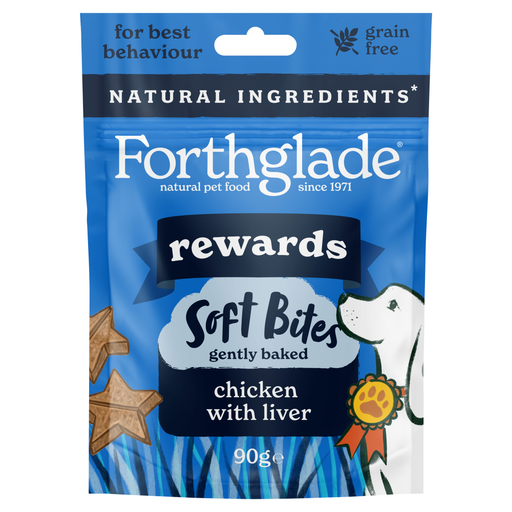
Why This Fits Their Persona: A practical option for owners who prioritise a clearly stated chicken percentage, soft texture and a resealable pouch for training on UK walks.
The soft bites can be broken into smaller portions, helping reduce the risk of overfeeding during repeated training rewards.
34% chicken stated in the supplied description; suitable from two months; no additives listed in the supplied product information.

Why This Fits Their Persona: The stated 25cm size is intended for large dogs that need a substantial chew, making it more relevant than small dental snacks for powerful chewers.
The large format helps avoid giving a small chew to a large dog, while the safety guidance requires supervision and removal of small pieces.
100% cowhide composition stated; knotted design; intended for large-breed dogs.
We have compiled a complete, real-time list of products that fully satisfy these strict selection criteria and UK safety regulations.
Before ordering, compare the net weight, pack quantity and feeding instructions rather than judging value by packet size alone. For multi-dog homes, larger packs may be convenient, but semi-moist products often need careful resealing after opening.
Check the product’s minimum age, target dog size and storage instructions. Remove any deoxidiser sachet included in a pouch and never allow your dog to eat it. Fresh drinking water should always be available.
If your dog has food sensitivities, examine cereals, named proteins and additives carefully. For joint support dog treats or dental products, use the stated benefits as part of a wider care routine rather than treating them as medical products.
Some are, but not all. Puppy treats should state an appropriate age range. For example, the supplied Pedigree Tasty Minis Puppy Dog Treats are described for puppies aged four to 18 months. Avoid treats marked as unsuitable for puppies under four months, and supervise feeding.
There is no single amount for every dog. Follow the pack’s feeding guide and consider your dog’s weight, activity and main diet. Break soft treats into smaller pieces for training, and adjust meals where necessary to avoid excess calories.
No. Dental chews may support mechanical cleaning through their texture, but they should not be treated as a replacement for regular dental care. Choose the correct size, supervise chewing and seek veterinary advice if you notice persistent bad breath, discomfort or changes in eating.