
24/7 Customer Support

Free returns

Same-day & Next-day Delivery

Quality Guaranteed

Unlock Your Welcome Offers: FREE Delivery | Up to 80% OFF | Free 30-day JoyPlus trial
Download the APP
As a nation of dog lovers, we enjoy rewarding our four-legged companions. Whether for good behaviour, during training or just as a sign of affection, dog treats are a staple in most UK households. However, the sheer variety on the shelves can be overwhelming, and marketing claims often make it difficult to distinguish between a genuinely healthy snack and a cleverly packaged, low-value filler.
My role as a Joybuy Product Recommendation Officer is to help you navigate this market. This guide will highlight the common traps many owners fall into and provide a clear framework for selecting treats that genuinely benefit your dog's well-being.
Before you add anything to your basket, be aware of these frequent marketing tactics that can lead to poor choices for your pet.
To make an informed decision, focus on these three key parameters. They will empower you to see past the marketing and assess the true quality of any dog treat.
The ingredients list is your most powerful tool. In the UK, ingredients must be listed in descending order of weight.
Not all treats serve the same function. Choosing the right type ensures you get the most value and benefit for your dog.
Finally, always consider your dog's individual requirements.
Based on these criteria, here are a few options from our catalogue that align with different owner needs and avoid the common pitfalls.
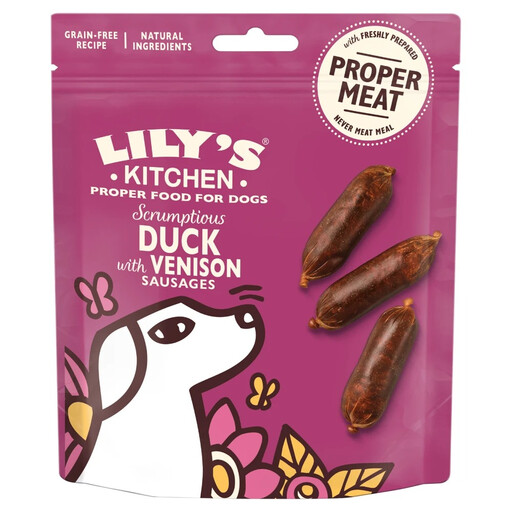
Why This Fits Their Persona: This owner prioritises ingredient transparency and high nutritional value. They want a treat that feels like a wholesome extension of their dog's quality diet, not just an empty snack.
It sidesteps the "meaty flavour" trap by using 70% duck and 4% venison as primary ingredients. The grain-free recipe also avoids the hidden filler issue, making it a clear, high-quality choice.
Made with proper, specified meat and natural ingredients. The satisfyingly chewy texture makes it a high-value reward.
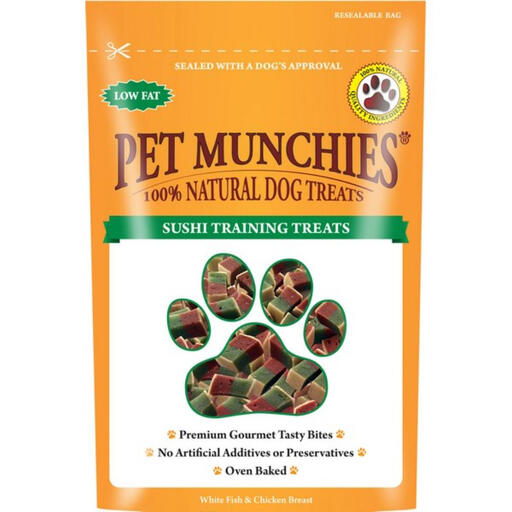
Why This Fits Their Persona: This owner needs small, soft, and highly motivating treats for frequent puppy training. They are concerned about giving their young dog appropriate, high-quality ingredients that are gentle on a developing system.
It avoids the filler trap by being wheat and gluten-free, and its primary ingredient is 79.6% human-grade chicken breast. This transparency is exactly what a cautious puppy owner needs to see.
Naturally low in fat and can be broken easily for training. Suitable for puppies from 4 months old.
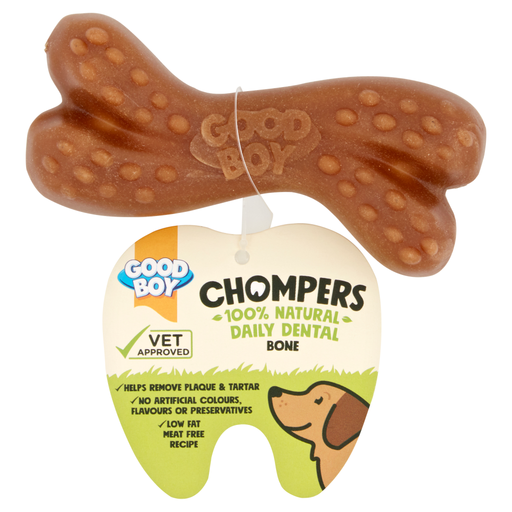
Why This Fits Their Persona: This dog owner is looking for a functional treat that actively contributes to their dog's oral hygiene. They want a product specifically designed to combat plaque and tartar, not just a generic snack.
It avoids vague "natural" claims by listing specific, functional ingredients like sweet potato flour, dried mint and parsley. The "vet approved" status provides an extra layer of confidence in its purpose-built design.
Specifically designed to help remove plaque and tartar. It's a low-fat, meat-free recipe, making it suitable for dogs with specific dietary restrictions.
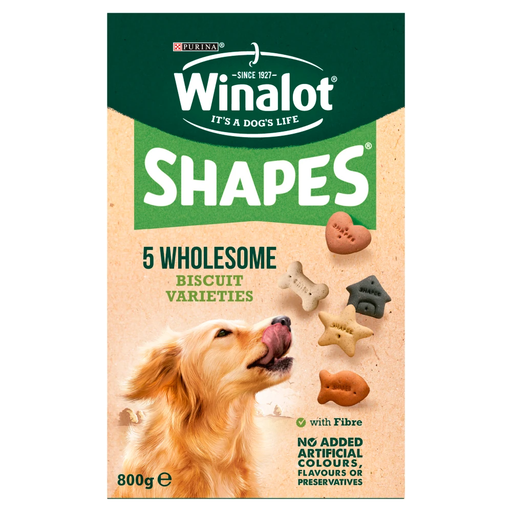
Why This Fits Their Persona: This owner needs a reliable, everyday treat that offers great value for money. They use treats regularly for rewards and want a large pack that will last, without breaking the bank.
While it contains cereals, its value proposition is clear and honest. It avoids the trap of pretending to be a gourmet, high-meat treat while charging a premium. It delivers exactly what it promises: a classic, affordable dog biscuit.
Excellent value with a large 800g pack size. These versatile dog biscuits are enriched with fibre and B vitamins to support digestion and vitality.
We have compiled a complete, real-time list of products that fully satisfy these strict selection criteria and UK safety regulations.
A widely accepted guideline is that treats should not make up more than 10% of your dog's total daily calorie intake. Always check the feeding guide on the packaging, as recommendations vary based on the treat's size and calorie content, as well as your dog's weight and activity level. To prevent weight gain, remember to reduce their main meal portion accordingly.
Not necessarily for every dog. Grain free dog treats are essential for dogs with a diagnosed grain allergy or sensitivity. For other dogs, grains can be a source of energy and nutrients. The most important factor is the overall quality of the ingredients. A treat with high-quality, named meat and wholesome vegetables is superior to a grain-free one packed with low-grade fillers and artificial additives.
This is a crucial distinction. 'Complementary' food, which includes almost all dog treats, is designed to be fed alongside a balanced main diet. It does not contain the full spectrum of nutrients your dog needs to stay healthy. 'Complete' food, such as a main meal kibble or wet food, is formulated to provide all the daily nutrients your dog requires on its own. Treats are for rewarding and supplementing, not for replacing meals.