
24/7 Customer Support

Free returns

Same-day & Next-day Delivery

Quality Guaranteed

Unlock Your Welcome Offers: FREE Delivery | Up to 80% OFF | Free 30-day JoyPlus trial
Download the APP
Choosing the right dog treats for your companion can feel like navigating a maze. With shelves full of options, from crunchy biscuits to chewy sticks, it’s hard to know what’s a worthwhile reward and what’s just marketing hype. You want something your dog will love, but you also want to be sure it aligns with their health, age and dietary needs.
This guide is designed to help you make a more informed choice. We’ll walk through key factors to consider when shopping and highlight a few standout options that cater to different dogs and owner preferences.
Before you add anything to your basket, it’s helpful to have a clear idea of what you’re looking for. Here are a few practical points to consider.
The composition of a treat is the most important factor. Look for clear, recognisable ingredients. Natural dog treats often feature whole foods like meat, fish or vegetables as primary components. If your dog has a sensitive stomach or allergies, you might consider hypoallergenic dog treats, which are formulated to avoid common irritants like beef, dairy or wheat. Always check the protein and fat content to ensure the treat fits within your dog's balanced daily diet.
Are you rewarding good behaviour during a walk, or do you need something to keep your dog occupied while you’re on a call? The purpose dictates the type of treat. Small, low-calorie dog training treats are ideal for frequent rewards without overfeeding. For dental health or to satisfy a strong urge to chew, long lasting dog chews are a more suitable option. For younger dogs, look for specific puppy treats that are appropriately sized and formulated for their developmental stage.
An increasing number of dogs have sensitivities to certain ingredients. Grain free dog treats have become popular for dogs who may have difficulty digesting grains like wheat, corn or soy. These options typically use alternatives like sweet potato, peas or lentils. If you suspect your dog has an allergy, it's always a good idea to consult with a vet who can help you identify potential triggers.
Here are a few recommendations from our catalogue, selected to meet a range of different needs and preferences.
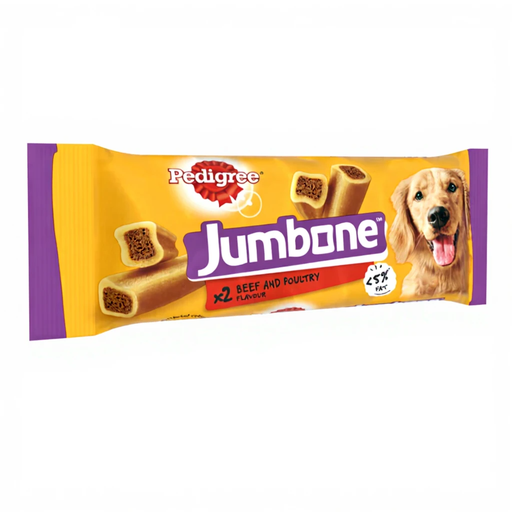
Why It Stands Out: The Pedigree Jumbone offers a unique combination of a tough, chewy outer layer and a flavourful, meaty centre. This dual-texture design is made to provide a longer-lasting and more engaging chewing experience compared to standard biscuits. It's also enriched with vitamins and minerals, including Omega 3, to support your dog's overall well-being.
Pros:
Who is it for? This is a suitable choice for owners of medium-sized adult dogs who are looking for a substantial, long-lasting treat from a widely recognised brand. It’s particularly good for dogs that enjoy a good chew session.
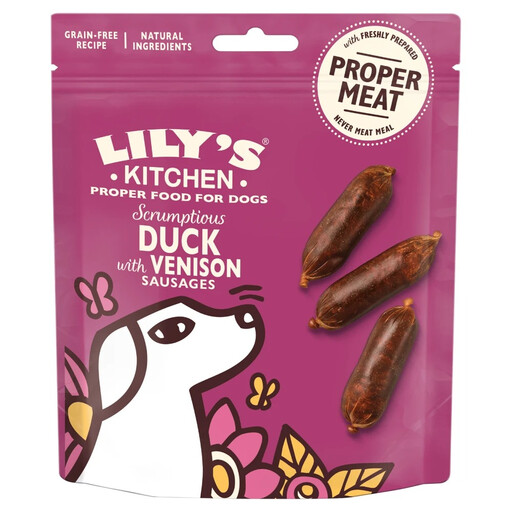
Why It Stands Out: These sausages from Lily's Kitchen are made with a high percentage of freshly prepared meat and offal, including 70% duck and 4% venison. The recipe is grain-free and uses natural ingredients, making it a high-quality option for a daily reward. The satisfyingly chewy texture and rich flavour are often a hit with even discerning dogs.
Pros:
Who is it for? These treats are ideal for dog owners who prioritise natural dog treats with high meat content and a grain-free formula. They work well as a high-value reward for training or simply as a special snack for adult dogs over four months old.
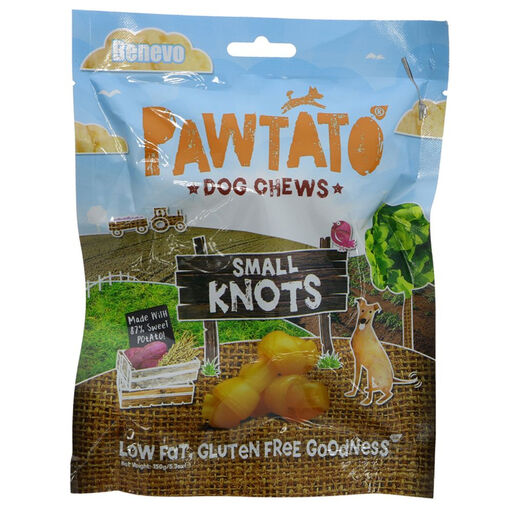
Why It Stands Out: The Benevo Pawtato Knots are a plant-based alternative to traditional meat chews. Made primarily from 78% organically grown sweet potato and rice, they are naturally low in fat and free from common allergens like meat, dairy, soya and wheat. This makes them an excellent choice for dogs with specific dietary restrictions or very sensitive stomachs.
Pros:
Who is it for? This is a great option for owners seeking a vegan or hypoallergenic dog treat. It’s perfect for dogs with multiple food sensitivities, those on a low-fat diet or owners who prefer to offer plant-based snacks.
If you're searching for a treat for a particularly special day, like a gotcha-day or a birthday, you might want something a little different. For more ideas, why not explore our curated selection of birthday treats?
Most brands recommend that treats should not make up more than 10% of your dog's daily caloric intake. Always check the feeding guidelines on the packaging, as the appropriate amount will vary based on the treat's size and calorie content, as well as your dog's size, age and activity level. When in doubt, reduce the size of their main meal slightly to compensate.
Not necessarily. Grain free dog treats are primarily beneficial for dogs with a diagnosed grain allergy or sensitivity. For most dogs, whole grains can be a healthy part of a balanced diet. If you suspect your dog has a food sensitivity, consulting a veterinarian is the best course of action to determine if a grain-free diet is appropriate.
When choosing puppy treats, look for products specifically formulated for their age. These are typically smaller, softer for developing teeth and have a nutritional profile that supports growth. Avoid hard dog chews or treats that could be a choking hazard. Always supervise your puppy when they have a treat.