
24/7 Customer Support

Free returns

Same-day & Next-day Delivery

Quality Guaranteed

Unlock Your Welcome Offers: FREE Delivery | Up to 80% OFF | Free 30-day JoyPlus trial
Download the APP
As a nation of dog lovers, we enjoy rewarding our four-legged friends. Whether it's for good behaviour, during a training session or just because, a tasty treat is a simple way to show our affection. However, the sheer variety of dog treats on the market can be overwhelming. The packaging is often filled with appealing claims, but navigating them to find a product that is both enjoyable for your dog and suitable for their needs can be a challenge.
Many well-intentioned owners find themselves caught out by clever marketing, leading to purchases that aren't quite right for their pet. Before you add that next bag to your basket, let's look at some common pitfalls and how to sidestep them to make a more informed choice.
Walking down the pet food aisle, you are met with a wall of colourful packaging and enticing words. To ensure you are getting what you pay for, it helps to be aware of a few common marketing tactics.
The term "natural" sounds reassuring, but it can be used quite loosely. A treat labelled as "natural" might still contain processed fillers or ingredients that offer little nutritional value. Instead of relying on this single word, a better approach is to turn the packet over and scrutinise the ingredients list. Truly natural dog treats will have a short, understandable list of ingredients, with a recognisable source of protein at the top.
Grain-free diets have become very popular, and they are essential for dogs with specific grain allergies or sensitivities. However, "grain-free" does not automatically mean "healthier." Some products replace grains with other fillers like potato or pea starch, which can be high in calories and low in nutritional value. For most dogs, the focus should be on the overall quality of the ingredients and the nutritional balance, rather than the simple absence of grain.
When you see "meat and animal derivatives" on an ingredients list without further specification, it can be a sign of lower-quality protein sources. This is a generic term for animal-based ingredients that are not required to be individually named. Look for treats that specify the type of meat and its percentage, such as "Chicken 27%" or "Fresh Salmon 40%." This transparency allows you to know exactly what you are feeding your dog.
To choose with confidence, focus on a few core parameters. These will help you match the right treat to your dog's specific needs, from their age and size to the reason you are giving the treat.
The ingredients are listed in order of weight, so the first few items make up the bulk of the treat. A high-quality treat will typically list a named meat or fish as the first ingredient.
Not all treats serve the same function. The right choice depends on the situation.
A dog's nutritional requirements change throughout its life.
Based on these practical considerations, here are a few recommendations matched to different types of dog owners in the UK.
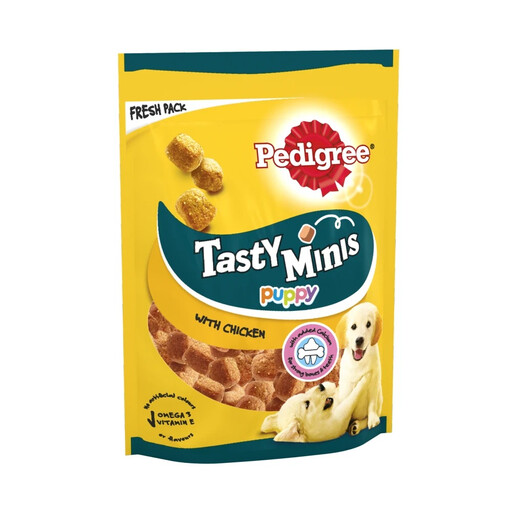
Why This Fits Their Persona: Perfect for UK puppy owners starting obedience training. These small, soft cubes are easy for a young dog to eat quickly, keeping them focused during training sessions without being too filling.
It is specifically formulated for puppies, containing added calcium for bone development. This avoids the pitfall of giving an adult treat that lacks the specific nutrients a growing dog needs.
Enriched with Omega 3 and vitamins. The soft, chewy texture is ideal for a puppy's developing teeth and gums.
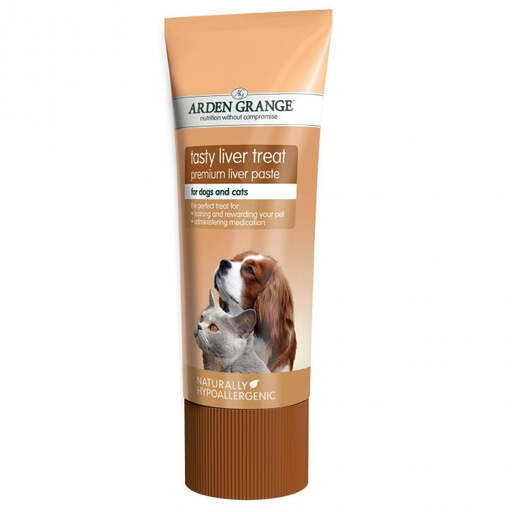
Why This Fits Their Persona: Ideal for owners who prioritise clean ingredients and need a high-value reward. The paste format is versatile for training, filling toys or disguising medication, and its rich flavour is highly motivating for dogs.
It sidesteps vague ingredient lists by clearly stating Pork Liver (35%). It is also naturally hypoallergenic and free from common allergens, moving beyond the simple "natural" claim to offer genuine transparency.
High meat content and a grain-free recipe suitable for sensitive dogs. The tube format allows for clean, easy and precise portion control.
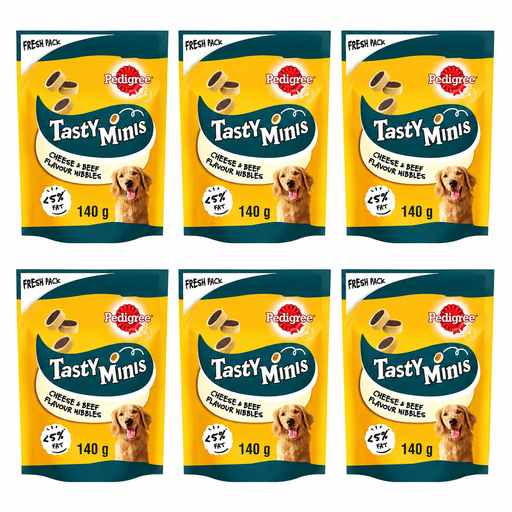
Why This Fits Their Persona: For households that use treats regularly for rewarding good behaviour. This multipack offers excellent value for money, reducing the cost per pack and ensuring the treat cupboard is always stocked.
Instead of buying cheap, low-quality single packs, this multipack provides a familiar, reliable treat at a lower unit cost. It offers predictable quality and portion size, making it a smart, economical choice.
Great value with 6 packs included. The bite-sized pieces are low in fat and suitable for everyday treating without contributing to excessive weight gain.
We have compiled a complete, real-time list of products that fully satisfy these strict selection criteria and UK safety regulations.
A widely accepted guideline is that treats should not make up more than 10% of your dog's daily calorie intake. Check the feeding guide on the treat packaging for specific recommendations based on your dog's size and weight. If you are using a lot of treats for training, remember to reduce the size of their main meals accordingly to maintain a healthy weight.
Not necessarily. Grain-free treats are vital for dogs with a diagnosed grain allergy or intolerance. For other dogs, high-quality whole grains can be a valuable source of nutrients. The most important factor is the overall quality and balance of the ingredients, not just the absence of grains. Always check the full ingredient list.
The main difference lies in their formulation. Puppy treats are designed to support growth and development. They are often fortified with higher levels of protein and specific nutrients like calcium for strong bones. They are also typically smaller and softer to suit a puppy's mouth and developing teeth. Adult treats are formulated for maintenance and may have a different calorie and nutrient profile.