
24/7 Customer Support

Free returns

Same-day & Next-day Delivery

Quality Guaranteed

Unlock Your Welcome Offers: FREE Delivery | Up to 80% OFF | Free 30-day JoyPlus trial
Download the APP
Choosing dog treats can seem straightforward until you compare ingredients, pack sizes, textures and feeding advice. Marketing terms such as “natural”, “wholesome” or “vitamin enriched” do not always tell you whether a product suits your dog’s age, size or daily diet.
The most useful approach is to treat snacks as part of your dog’s overall food intake. Check the label, select an appropriate texture and use the product for a clear purpose, whether that is puppy training, an occasional reward or supervised chewing.
Most dog biscuits, baked dog treats and dog chew treats are complementary pet food. This means they are intended to supplement a complete diet rather than replace your dog’s normal meals. Even products enriched with vitamins and minerals should be fed according to the label.
A simple way to avoid overfeeding is to reduce the main meal when treats are given regularly. Keep fresh water available and consider the calories in every reward, particularly for small, older or less active dogs.
Chicken dog treats, bacon dog treats and cheese dog treats may be appealing, but flavour does not confirm suitability. Check the full composition for cereals, dairy, glycerine, added sugars, oils and potential allergens.
For example, a product described as containing chicken may also include cereals and vegetable ingredients. The percentage of the named meat is more informative than the flavour shown on the front of the pack.
A large biscuit may be inconvenient for a toy breed, while a small, soft reward may disappear too quickly during a chewing session. Treat size should match your dog’s breed, jaw size and eating habits.
Puppies also need age-appropriate options. Some products are suitable from eight weeks, while others specifically exclude puppies below four or six months. Always read the product warning rather than relying on a general “puppy treat” search result.
Look for a clear age statement such as “8 weeks and over”, adult dogs or not suitable for puppies under four months. Puppies have different feeding needs from adult dogs, and small-breed puppies may require smaller pieces and closer supervision.
Puppy treats should remain a minor part of a balanced puppy diet. For training, choose pieces that can be delivered frequently without adding excessive calories.
The label’s analytical constituents usually list protein, fat, crude fibre, moisture and ash. These figures allow a more objective comparison between products.
If you are specifically looking for low-fat dog treats, compare the stated fat content rather than relying only on front-of-pack wording. Wagg Low Fat Treats Turkey & Rice, for example, lists a 4% fat content. By comparison, Wagg Treats Bacon Roll lists 8% fat content.
This does not make one product suitable for every dog. Dogs with diagnosed dietary or health requirements should be fed according to veterinary advice.
Ingredients are generally listed in descending order by weight. Check for wheat, milk, egg, peanut, sesame or other ingredients relevant to your dog’s known sensitivities.
For training treats for dogs, small, breakable or bite-sized pieces are practical. For chewing, choose an appropriate size and supervise your dog. A chew should not be so small that it can be swallowed rapidly, and it should be removed if it becomes dangerously reduced in size.
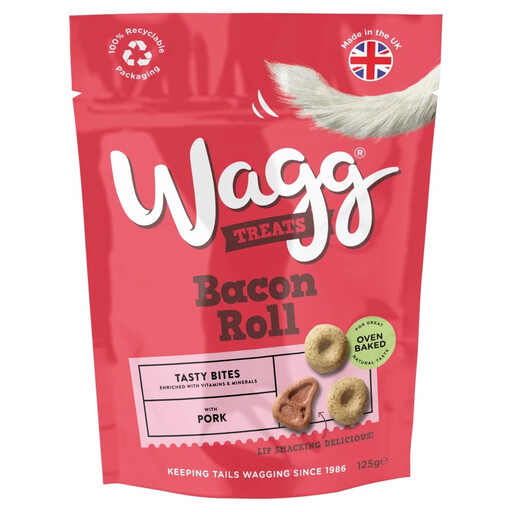
Why This Fits Their Persona: A compact everyday option for owners who want a straightforward reward for walks, basic training or occasional treats.
The label identifies it as complementary pet food and provides age guidance from eight weeks, helping prevent use as a meal replacement.
Oven baked, made with 26% pork meal, no added sugar and listed at 8% fat content.
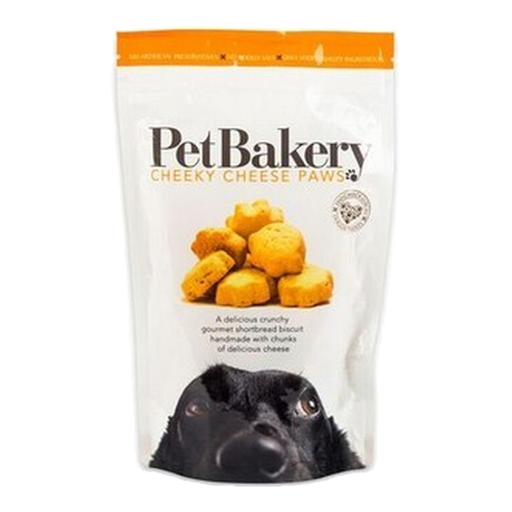
Why This Fits Their Persona: Suits owners who prioritise a clearly described recipe and a crunchy, occasional biscuit reward.
The product information states the cheese percentage and advises moderation, rather than presenting it as a complete diet.
Contains 10% cheese, has a paw-shaped baked biscuit format and is described as free from artificial colours and preservatives.
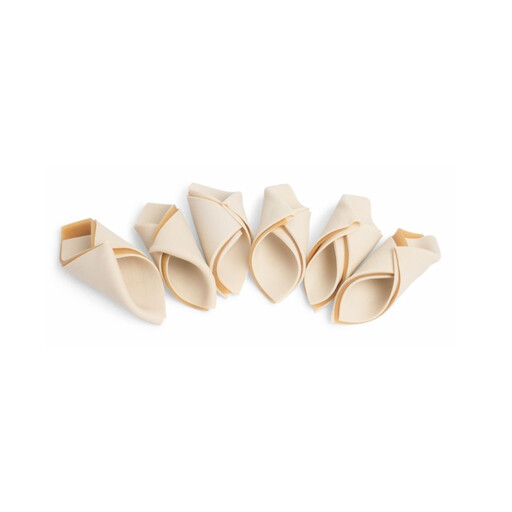
Why This Fits Their Persona: A practical choice for owners using rewards during training, post-walk routines or supervised chewing sessions.
The pack gives specific age and breed cautions, including restrictions for small-breed puppies, plus a daily amount for dogs under 12kg.
Rawhide-free, made with 27.4% chicken and designed as a chew; supervision is specifically advised.
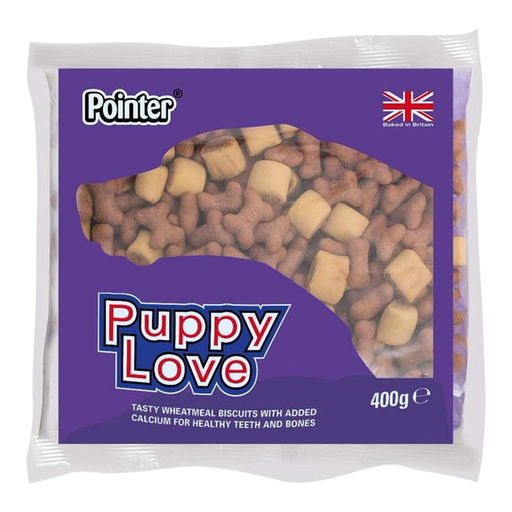
Why This Fits Their Persona: Bite-sized baked rewards are suitable for puppy training, positive reinforcement and small-dog households.
It is identified for puppies and clearly described as complementary, so owners can keep rewards separate from complete puppy food.
Mixed wheatmeal biscuits, added calcium and vitamins and minerals; made in Britain according to the supplied product details.
We have compiled a complete, real-time list of products that fully satisfy these strict selection criteria and UK safety regulations.
Some are, but not all. Check the minimum age on the packaging. Puppy treats should be small enough to manage and given alongside a complete puppy food, not instead of it.
Not automatically. A lower stated fat content may be useful when comparing products, but individual dietary needs vary. Read the complete ingredient and nutrition panel and ask your vet if your dog has a health condition.
Lifespan depends on the chew’s size, texture and your dog’s chewing style. A soft wrap may be consumed quickly, while a denser product may last longer. Treat duration is not a safety guarantee, so always supervise and remove unsuitable remnants.