
24/7 Customer Support

Free returns

Same-day & Next-day Delivery

Quality Guaranteed

Unlock Your Welcome Offers: FREE Delivery | Up to 80% OFF | Free 30-day JoyPlus trial
Download the APP
Choosing dog treats and toys can quickly become confusing. Packs often promise dental support, calming benefits or long-lasting play, yet the details that matter most may be hidden in the feeding guide, material list or safety warnings.
Three common buying traps are worth avoiding:
Start with your dog’s weight, age, breed size and chewing style. Puppy comfort toys should be soft and free from easily detached parts, while durable dog chew toys need to be appropriately sized for the dog’s mouth and bite strength.
Dental products also have specific ranges. For example, small dog dental treats may be intended for dogs weighing 7–12kg, whereas large dog dental chews may be designed for dogs between 25kg and 40kg. Products labelled for dogs aged four months or over should not automatically be given to younger puppies.
For puppies, choose age-appropriate puppy comfort toys and softer dog training treats. Senior dogs or dogs with sensitive teeth may need softer textures rather than very hard chews.
For natural dog treats, look beyond the word “natural”. Check the full composition, protein and fat levels, as well as whether the item is complementary or complete pet food.
Soft training treats are useful because they can often be broken into smaller pieces. The Forthglade Functional Natural Training Soft Bite Treat, for example, lists chicken at 34%, has a soft texture and is intended for dogs aged two months and over. The product guidance also recommends limiting treats to part of the dog’s daily calorie intake.
When considering dog supplements, check the active ingredients and age restrictions. Digestive supplements for dogs may contain probiotics, prebiotics or yeast-derived ingredients, while dog multivitamins can include several added nutrients. Supplements should not replace veterinary advice, particularly where a dog has an existing condition, takes medication or follows a prescribed diet.
A toy’s material should match the intended activity. Plush toys can be suitable for cuddling or gentle fetch, but they are not necessarily durable dog chew toys. Rope, TPR and nylon may offer different textures, while squeakers and crinkle material can make interactive dog toys more engaging.
Inspect every toy regularly. Remove it if you see loose threads, tears, broken squeakers or detached pieces. Dogs should be supervised when chewing, particularly with rawhide, dental chews and toys that may shed fragments.
According to the Dentalife product information, its porous chew texture is designed to scrub teeth and reach back teeth. That does not make a dental chew a substitute for regular veterinary dental care. Follow the feeding guide, provide fresh water and monitor your dog throughout chewing.
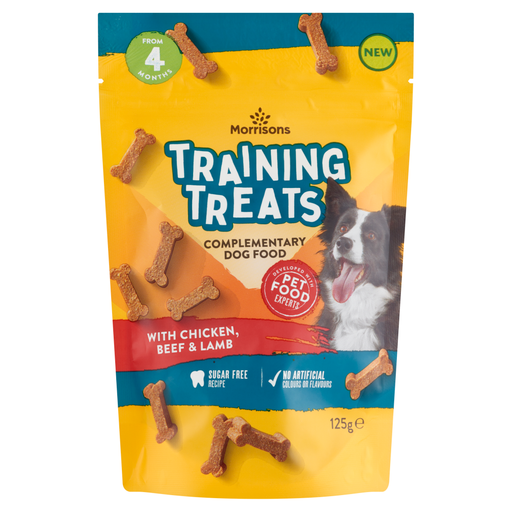
Why This Fits Their Persona: A practical option for new owners who need everyday rewards for recall, lead work or basic home training.
It is clearly described as a complementary treat, with guidance to adjust quantities according to size and activity.
Sugar-free recipe; no artificial colours or flavours; chicken, beef and lamb flavours.
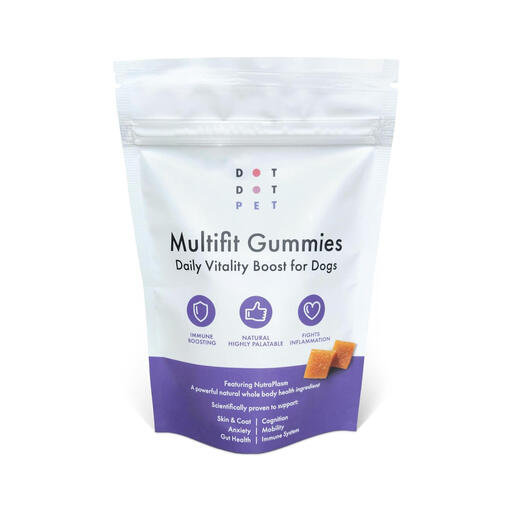
Why This Fits Their Persona: Suitable for owners seeking a measured daily supplement format for dogs weighing 5–40kg.
The pouch provides 35 gummies and weight-based dosage guidance, making daily portions easier to track.
Soft gummy format; includes plasma, collagen and vitamin E; store cool and refrigerate after opening.
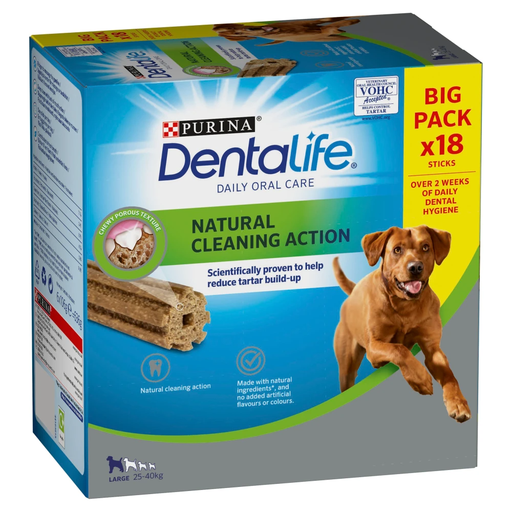
Why This Fits Their Persona: Designed for large dogs weighing 25–40kg that need a clearly portioned daily dental chew.
The pack specifies a large-dog range and one stick per day, rather than leaving portioning vague.
Porous chewy texture; low-fat recipe; 18 sticks with vitamin D and calcium.
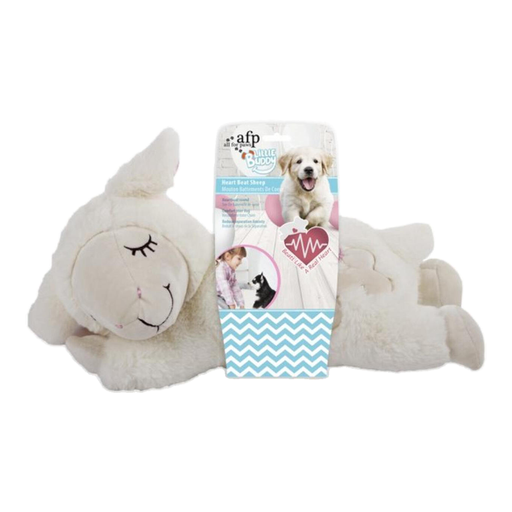
Why This Fits Their Persona: A soft companion for puppies settling into a new UK home or relaxing at bedtime.
Its removable heartbeat unit can be taken out for washing or ordinary play, and the listing warns that it is not for aggressive chewers.
Extra-soft plush construction; removable heartbeat mechanism; suitable for dogs of different sizes.
We have compiled a complete, real-time list of products that fully satisfy these strict selection criteria and UK safety regulations.
No. Dog dental chews may provide mechanical cleaning through chewing, but they do not replace a complete oral-care routine or veterinary assessment. Choose the correct size, follow the feeding instructions and supervise your dog.
Treats should remain a limited part of daily food intake. Break soft treats into smaller pieces where practical and reduce main-meal portions if needed. The exact amount depends on the dog’s size, activity and the product’s calorie content.
No product should be assumed to have the same effect on every dog. Ingredients vary between dog calming treats, digestive supplements for dogs and dog multivitamins. Check the label, follow dosage guidance and speak with a vet before using supplements for a dog with medical needs.