
24/7 Customer Support

Free returns

Same-day & Next-day Delivery

Quality Guaranteed

Unlock Your Welcome Offers: FREE Delivery | Up to 80% OFF | Free 30-day JoyPlus trial
Download the APP
As a dog owner, choosing the right treats can feel overwhelming. The aisles are packed with options, all promising to make your dog happy and healthy. Yet, not all dog treats are created equal. Many owners find themselves with a cupboard full of snacks their dog won't touch, or worse, treats that don't align with their pet's dietary needs. At Joybuy, we help cut through the clutter, so you can make choices that are right for you and your companion.
This guide will walk you through the common pitfalls to avoid and the key factors to consider, helping you find treats that are both a welcome reward and a sensible part of your dog's diet.
Navigating the world of dog treats often means sidestepping a few common marketing traps. Being aware of these can save you money and ensure you're giving your dog something genuinely beneficial.
To move past the marketing hype, focus on a few non-negotiable details on the product label. This is where the real story of a treat is told.
The composition list is your most powerful tool. Ingredients are listed by weight, so the first few items make up the bulk of the treat.
The "Analytical Constituents" section provides a clear breakdown of the treat's nutritional profile. Here’s what to focus on:
Different treats serve different functions. Understanding this helps you choose the right tool for the job.
Based on these practical criteria, we've matched a few options to common UK dog owner profiles.
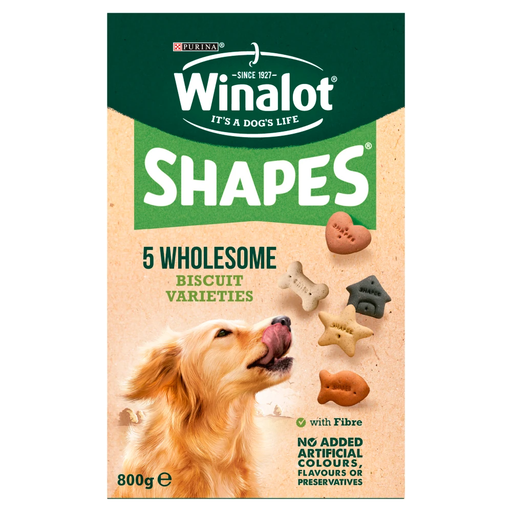
Why This Fits Their Persona: This is a classic, no-fuss option that offers great value in a large 800g box. For owners who need a reliable, everyday biscuit for rewarding good behaviour without a premium price tag, this is a staple choice.
While cereal-based, it avoids hidden sugars and has a modest fat content (5.3%). It's a straightforward biscuit, not pretending to be a gourmet, all-meat treat.
Enriched with vitamins (A, D?, E, B Group) and antioxidants to support vitality and natural defences. The crunchy texture also helps with dental upkeep.
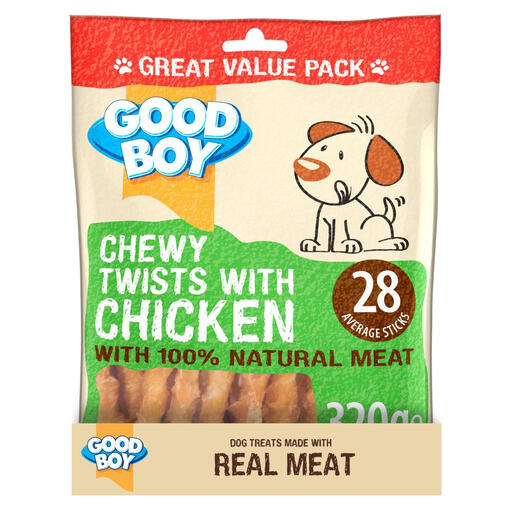
Why This Fits Their Persona: For the owner who reads every label, this treat's simple composition is its main strength. It's ideal for those seeking high-protein, grain-free options and who are willing to invest in a premium, meat-first snack.
It directly counters the "natural illusion" by being made from 100% natural chicken breast. It is free from artificial additives, gluten, wheat and grains, and contains only 3% fat.
Very high in protein (50%) to support muscle health. The chewy rawhide texture also satisfies a dog's natural urge to chew and supports dental hygiene.
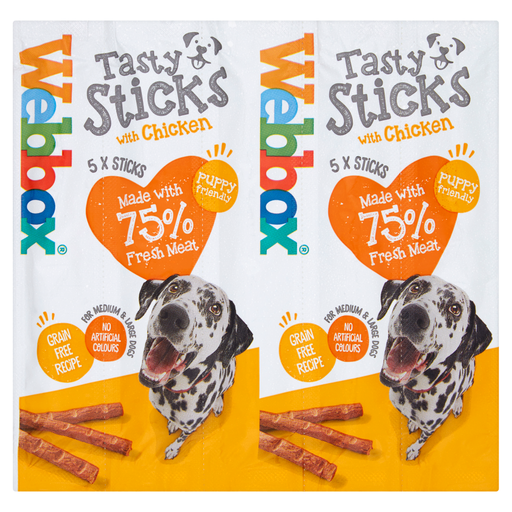
Why This Fits Their Persona: New puppy owners need treats that are safe, appropriately sized and motivating for training. These sticks are specifically formulated for puppies from 3 months old, with a soft texture that's easy for them to manage.
This product avoids the "one-size-fits-all" trap by being explicitly designed for puppies. The grain-free recipe is also suitable for young, potentially sensitive digestive systems.
Made with 75% fresh meat, providing high-quality protein for growth. The soft texture is gentle on developing teeth, making it an excellent choice for young dogs.
We have compiled a complete, real-time list of products that fully satisfy these strict selection criteria and UK safety regulations.
1. How many treats can I give my dog each day? Most packaging will provide a feeding guide based on your dog's weight. A general rule of thumb is that treats should not make up more than 10% of your dog's total daily calorie intake. If you are using a lot of training treats, remember to reduce the size of their main meal accordingly to maintain a healthy weight.
2. Are grain-free dog treats always a better choice? Not necessarily. Grain-free diets became popular for dogs with specific grain allergies or sensitivities. For most dogs, whole grains can be a healthy source of nutrients and fibre. However, if your dog has a sensitive stomach or you prefer a meat-focused diet for them, grain free dog treats are an excellent option. The key is choosing a treat that agrees with your individual dog's digestive system.
3. How can I tell if a chew is a choking hazard? Always supervise your dog with any chew or treat. A chew becomes a hazard when it has been worn down to a size that your dog could swallow whole. It's important to remove the chew at this point. Always choose a size that is appropriate for your breed—a large dog needs a large, robust chew that they cannot easily break or swallow.