
24/7 Customer Support

Free returns

Same-day & Next-day Delivery

Quality Guaranteed

Unlock Your Welcome Offers: FREE Delivery | Up to 80% OFF | Free 30-day JoyPlus trial
Download the APP
As a nation of dog lovers, we enjoy rewarding our four-legged companions. Yet, standing in the pet food aisle, faced with a wall of colourful packets, can be overwhelming. Every product promises to be the one your dog will love most, but navigating the marketing claims to find what's genuinely suitable can be a challenge.
Many well-intentioned owners fall into common traps, buying treats that aren't the right fit for their pet's health or needs. Before you add a pack to your basket, here are a few pitfalls to be aware of:
natural dog treats can still contain high levels of sugars or fillers that offer little benefit.To make an informed choice, the information on the back of the pack is your most reliable guide. Here are the key areas to focus on.
The ingredients list, often labelled 'Composition', is your most powerful tool. Ingredients are listed in order of weight, so the first few items make up the bulk of the treat.
A good sign is a clearly named meat source at the top of the list, such as 'Chicken Breast (60%)' or 'Duck Breast (87%)'. This is more transparent than vague terms like 'Meat and Animal Derivatives', which can refer to a mix of unspecified animal parts. Paying attention to this detail is the first step toward finding genuinely healthy dog treats.
This table provides a snapshot of the treat's nutritional profile. It might look technical, but it's straightforward once you know what to look for:
Always check the packaging for age recommendations. Many chews are not suitable as puppy treats because they can be too hard for developing teeth and jaws. A label might state, "Not suitable for puppies under 4 months old." Similarly, long lasting dog chews are often designed for specific dog sizes to prevent choking hazards. Choosing the right size ensures your dog can enjoy their treat safely.
To help you narrow down the options, we've matched some popular choices to different types of dog owners and their needs.
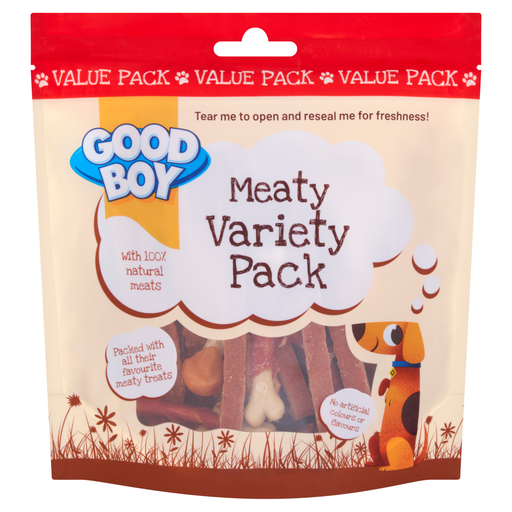
Why This Fits Their Persona: This owner carefully scrutinises labels for high meat content and minimal additives. They want a treat that is both delicious and aligns with a health-focused approach to their dog's diet.
It cuts through the "natural mirage" with a clear composition list, stating it's made with 100% natural meats like chicken, beef and duck. The high protein and low fat content are clearly listed.
High in protein and low in fat, with no artificial colours or flavours. The variety of shapes and textures in this dog treat multipack keeps things interesting for the dog.
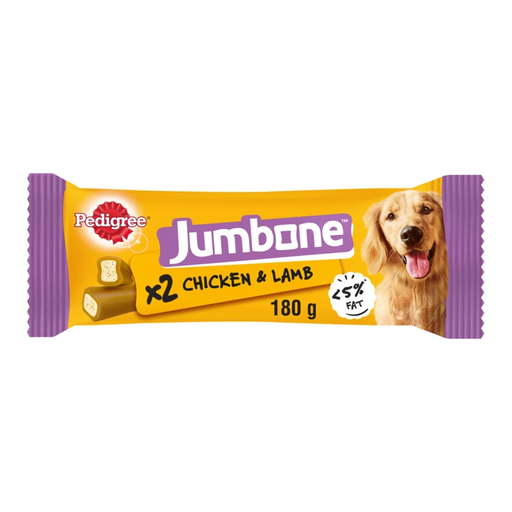
Why This Fits Their Persona: This owner is looking for a satisfying, long lasting dog chew that can keep their medium or large dog happily occupied for more than just a few moments.
It is specifically designed for this purpose, with a tough outer layer that provides a satisfying chew. The packaging clearly states it is for medium dogs (over 10kg), avoiding the risk of giving a too-large treat to a small dog.
The dual-texture design with a tough outer and meaty centre provides extended chewing enjoyment. It is also a low fat dog treat with added calcium to help maintain strong bones.
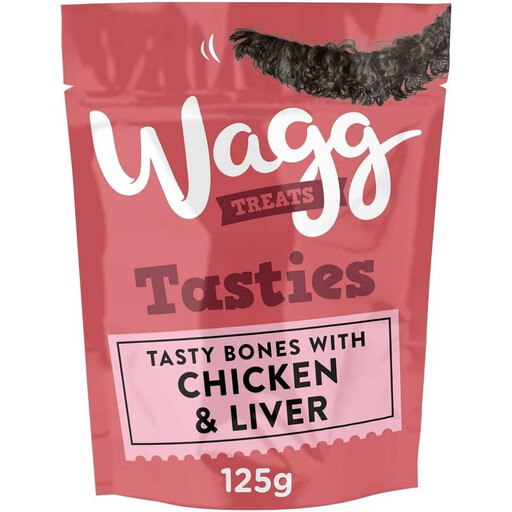
Why This Fits Their Persona: This owner uses treats frequently for training and rewarding good behaviour. They need a convenient, value-conscious option that is suitable for regular use and easy to have on hand.
It helps avoid the portion size pitfall by providing a clear feeding guide with recommended piece counts for small, medium and large dogs, making it easy to manage their daily intake.
The large dog treat multipack (7 bags) offers excellent value and convenience. They are ideal as dog training treats and are suitable for dogs from 8 weeks old.
We have compiled a complete, real-time list of products that fully satisfy these strict selection criteria and UK safety regulations.
A widely accepted guideline is the 10% rule: treats should not make up more than 10% of your dog's total daily caloric intake. Always check the feeding guide on the packaging and remember to reduce their main meal accordingly to maintain a healthy weight.
Low fat treats are an excellent choice for dogs that are overweight, less active or prone to pancreatitis. However, for highly active, working or underweight dogs, the extra calories from treats with a higher fat content can be beneficial. It's about matching the treat to your dog's individual energy needs and overall diet.
The main differences lie in size, texture and formulation. Puppy treats are typically smaller and softer to accommodate smaller mouths and developing teeth. They may also be formulated with specific nutrients to support growth. Adult treats, especially long lasting dog chews, can be much harder and larger, making them unsuitable and potentially hazardous for young puppies. Always follow the age guidance on the pack.