
24/7 Customer Support

Free returns

Same-day & Next-day Delivery

Quality Guaranteed

Unlock Your Welcome Offers: FREE Delivery | Up to 80% OFF | Free 30-day JoyPlus trial
Download the APP
As a nation of dog lovers, we enjoy rewarding our four-legged companions. However, the sheer variety of dog treats on the market can be overwhelming. Packaging often features appealing images and enticing claims, but the reality of what’s inside can sometimes fall short. Many well-meaning owners find themselves caught in common purchasing traps, leading to wasted money and treats that aren't quite right for their pet.
As the Joybuy Product Recommendation Officer, my role is to help you navigate this crowded marketplace. This guide will highlight the key pitfalls to avoid and provide a clear framework for selecting treats that genuinely suit your dog's needs, whether for training, a daily reward or a long-lasting chew.
Before you add anything to your basket, be aware of these frequent marketing tactics and product flaws:
healthy dog treats or natural dog treats, but these terms are not always strictly regulated. A treat might be "made with real chicken" but still contain high levels of cereals, sugars or artificial additives as primary ingredients. The attractive claim on the front can mask a less-than-ideal composition list on the back.dog chew designed to keep a dog occupied and support dental health. Likewise, puppy treats have different nutritional requirements compared to those for adult dogs.To make an informed choice, focus on these three non-negotiable parameters. This will help you see past the marketing and find a product that is both safe and appropriate for your dog.
The ingredients list is the most reliable source of information. It is always ordered by weight, so the first few ingredients make up the bulk of the treat.
grain free dog treats for a sensitive pet, you'll need to check this carefully. Also, watch for "various sugars" or syrups, which add empty calories.Consider how you plan to use the treats, as this will determine the ideal type.
For daily use, value becomes important. A dog treats multipack can offer significant savings and ensure you don't run out. Resealable packaging is also a key feature, as it keeps treats fresh and prevents them from going stale, particularly with larger bags.
To help you apply these principles, we've matched some suitable options to common UK dog owner profiles.
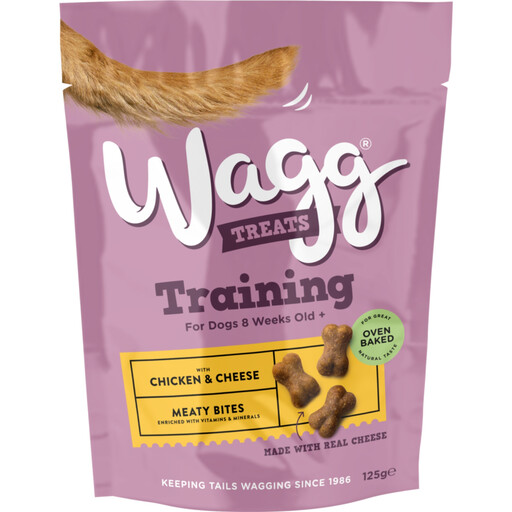
Why This Fits Their Persona: This owner is focused on positive reinforcement and needs a steady supply of small rewards. This multipack of oven-baked, bone-shaped treats is ideal for frequent use in training sessions without providing excessive calories.
It directly avoids the "one-size-fits-all" trap by being specifically designed as a low-calorie training aid, preventing overfeeding during repetitive reward-based training.
Suitable for puppies from 8 weeks of age and enriched with vitamins and minerals. The multipack format offers excellent value for consistent training needs.
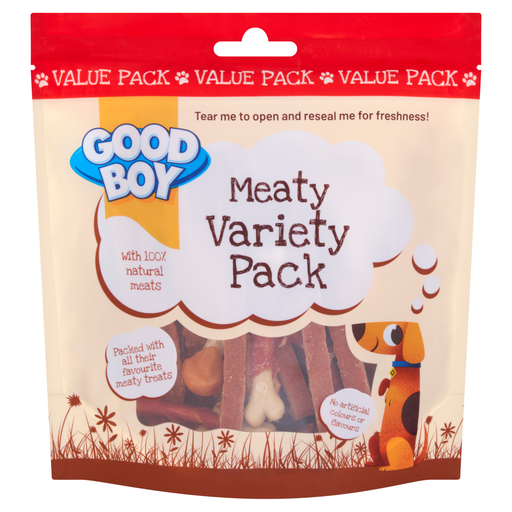
Why This Fits Their Persona: This owner prioritises high-quality, recognisable ingredients. This variety pack is made with 100% natural meats (chicken, beef and duck) and is free from artificial colours and flavours, aligning with a preference for more natural options.
It counters the "healthy halo" trap by backing up its "natural" claim with a clear composition list featuring high percentages of named meats, rather than vague derivatives or fillers.
Offers a variety of textures and high-protein, low-fat recipes. The resealable pouch maintains freshness, making it a practical choice for discerning owners.
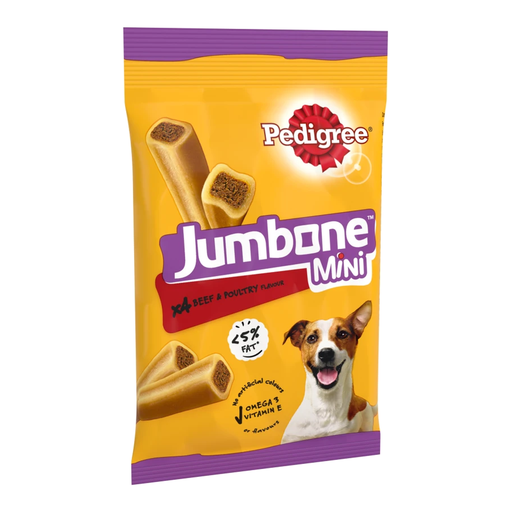
Why This Fits Their Persona: Owners of small breeds need a satisfying, long-lasting chew that is appropriately sized to prevent choking hazards. The Jumbone Mini is specifically designed for dogs between 5-14kg, providing a safe and enjoyable chewing experience.
This product avoids the calorie trap by being very low in fat (less than 5%) and providing clear weekly feeding guidelines, helping owners manage their dog's calorie intake effectively.
It combines a tough outer layer with a meaty centre for lasting enjoyment. It is also fortified with Omega 3, Vitamin E and Calcium to support overall health.
We have compiled a complete, real-time list of products that fully satisfy these strict selection criteria and UK safety regulations.
Here are answers to a few common questions UK dog owners have about treats.
1. How many treats can I give my dog each day? A widely accepted guideline is the 10% rule: treats should make up no more than 10% of your dog's total daily calorie intake. If you give your dog treats, you should reduce the portion of their main meal accordingly to maintain a healthy weight. The feeding guide on the packaging provides a good starting point, but always consider your dog's age, weight and activity level.
2. Are grain-free dog treats a better choice? Not necessarily for every dog. Grain free dog treats are essential for dogs with a diagnosed grain allergy or sensitivity. For most dogs, however, grains like wheat and corn can be a perfectly acceptable source of carbohydrates. The overall quality of the ingredients is more important than simply the absence of grain. Focus on a short, understandable ingredients list with a named protein source at the top.
3. When can I start giving my puppy treats? You can typically start giving a puppy treats from around 8 weeks of age, but it is crucial to choose treats specifically labelled as puppy treats. These are formulated for their growth needs and are appropriately sized and textured for their small mouths and developing teeth. Always check the product's packaging, as some treats and chews are only suitable for puppies over 4 months old.