Joybuy Insights

How to Choose Dog Treats in the UK: Top Recommendations

As a dog owner, choosing the right treats can feel like navigating a maze. The shelves are filled with countless options, all promising to make your dog's tail wag. You want to give them something delicious they'll love, but also something that fits their dietary needs and supports their well-being. How do you find a treat that's both a tasty reward and a sensible choice?

As the Joybuy Product Recommendation Officer, my role is to help you cut through the clutter. This guide offers practical advice on what to look for when selecting dog treats and highlights a few popular options to help you make an informed decision for your furry companion.

How to Choose the Right Dog Treats for Your Companion

Before you add anything to your basket, considering a few key factors can ensure you're choosing a suitable snack.

1. Read the Ingredients List

The ingredients list is the most reliable source of information about a treat. For owners concerned about sensitivities or who simply prefer a more straightforward diet for their pet, natural dog treats with a short, recognisable list of ingredients are often a popular choice. Look for a specific meat, like chicken or beef, as the first ingredient.

Many owners are also turning to grain-free dog treats. These can be a great option for dogs with known grain allergies or digestive sensitivities. However, for most dogs, grains are perfectly healthy. The key is to choose a product with high-quality ingredients that suit your individual dog's needs.

2. Consider the Purpose of the Treat

Not all treats serve the same function. Think about why you are giving them.

  • Dog training treats: For rewarding good behaviour during training sessions, you'll want something small, low in calories and easy to break into even smaller pieces. This allows you to reward frequently without overfeeding.
  • Chewy dog treats: Longer-lasting chews can help keep your dog occupied and mentally stimulated. The chewing action can also provide a dental benefit by helping to reduce plaque and tartar buildup.
  • Everyday rewards: These are the simple "just because" treats given as a sign of affection. Here, you might prioritise flavour and enjoyment, while still keeping an eye on the nutritional content.

3. Match the Treat to Your Dog's Profile

A treat that's perfect for a Great Dane might not be suitable for a Chihuahua. Always consider your dog's age, size and specific health requirements.

  • Age: Young dogs need specific puppy treats that are softer and appropriately sized for their developing jaws and teeth.
  • Dietary Needs: If your dog is prone to weight gain, look for low fat dog treats. If they have a sensitive stomach, a single-protein or hypoallergenic option might be more appropriate.
  • Size: Ensure the treat is large enough that it won't be a choking hazard, but not so large or hard that your dog struggles to eat it.

Recommended Dog Treats

Based on their ingredients, texture and purpose, here are a few noteworthy options available in the UK market.
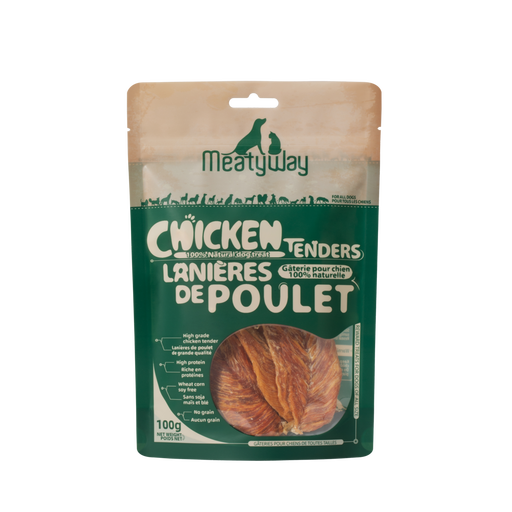
MeatyWay Chicken Tenders 100g

MeatyWay Chicken Tenders 100g

  • Why It Stands Out: These tenders are defined by their simplicity. Made with just one ingredient, they offer a pure and straightforward snacking option that removes any guesswork about fillers or artificial additives.
  • Pros:
    • Single-ingredient recipe: Made with 100% real chicken.
    • Grain-free with no artificial preservatives or colours.
    • Soft, chewy jerky texture is easy for most dogs to enjoy.
    • Can be easily torn into smaller pieces for training.
  • Who is it for: Dog owners seeking a high-protein, natural dog treat with minimal processing. It's an excellent choice for dogs with food sensitivities or for those on a limited-ingredient diet.

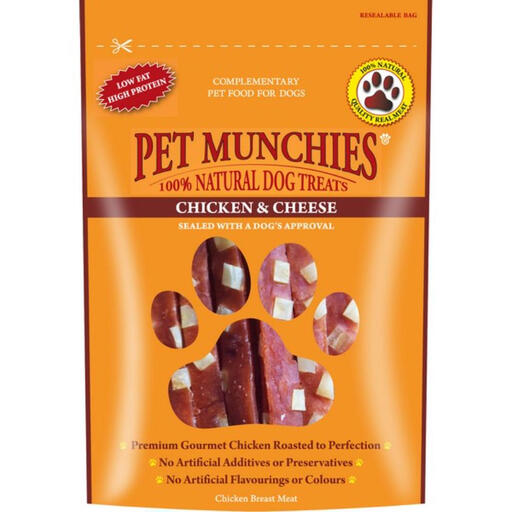
Pet Munchies Chicken and Cheese 100g

Pet Munchies Chicken and Cheese 100g

  • Why It Stands Out: This treat combines the high-value flavour of real chicken and cheese into a gourmet snack. The brand states it uses human-grade chicken breast, which is then delicately roasted to retain its flavour.
  • Pros:
    • Naturally low fat (2% fat content).
    • Wheat and gluten-free.
    • Soft texture is suitable for puppies from 4 months old.
    • High meat content (79.6% chicken breast).
  • Who is it for: Owners looking for a premium, highly palatable reward that is still a sensible, low-fat choice. Its soft texture makes it a versatile option for puppies and senior dogs alike.

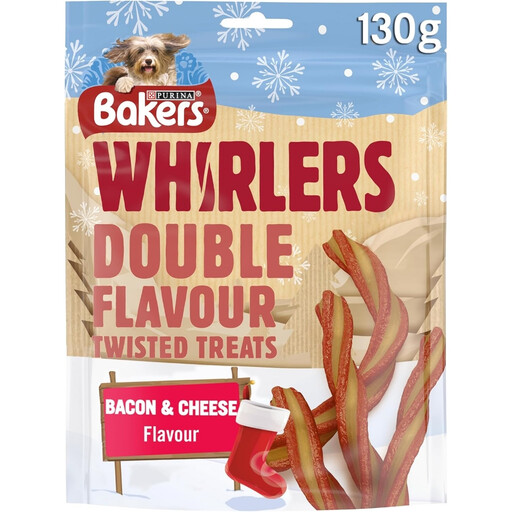
Bakers Dog Treat Bacon and Cheese Whirlers 130g

Bakers Dog Treat Bacon and Cheese Whirlers 130g

  • Why It Stands Out: With a fun, twisted shape and a savoury bacon and cheese flavour, these treats are designed for pure enjoyment. They are also fortified with extra nutrients to support your dog's overall condition.
  • Pros:
    • Highly appealing flavour combination for picky eaters.
    • Enriched with vitamins A, D and E, plus B-group vitamins for energy.
    • Contains Omega 3 & 6 fatty acids to support healthy skin and a glossy coat.
    • The chewy texture provides a satisfying snack.
  • Who is it for: Owners who want a flavour-packed, engaging treat that their dog will find highly motivating. It's a popular choice for an occasional, joyful reward.

Looking for More Options?

Every dog has unique preferences and dietary needs. If the recommendations above aren't the perfect fit, or if you're simply curious to see what else is available, there is a wide world of treats to discover. From dental sticks to fish-based snacks, finding the right one is all part of the fun.

Explore our full range of Pet Food and Treats to find the perfect snack for your furry friend.

Frequently Asked Questions About Dog Treats

1. How many treats can I give my dog each day? A widely accepted guideline is that treats should not constitute more than 10% of your dog's total daily calorie intake. Always check the feeding instructions on the product packaging for specific advice and remember to adjust their main meals accordingly to maintain a healthy weight.

2. Are grain-free dog treats a better choice for all dogs? Not necessarily. Grain-free dog treats are specifically beneficial for dogs that have a diagnosed grain allergy or sensitivity. For most dogs, whole grains can be a nutritious part of a balanced diet. If you suspect your dog has a food allergy, consulting with a veterinarian is the best course of action.

3. What should I look for in puppy treats? When choosing puppy treats, prioritise products that are small, soft and easy to chew to avoid damaging their developing teeth. Look for treats specifically formulated for puppies, as these will have an appropriate calorie and nutrient profile. Always check the packaging for the recommended minimum age.