
24/7 Customer Support

Free returns

Same-day & Next-day Delivery

Quality Guaranteed

Unlock Your Welcome Offers: FREE Delivery | Up to 80% OFF | Free 30-day JoyPlus trial
Download the APP
As a nation of dog lovers, we enjoy nothing more than rewarding our four-legged companions. Yet, the sheer variety of dog treats on the market can be overwhelming. Packaging often features appealing images and claims, but the reality of what’s inside can be quite different. Many well-meaning owners find themselves caught out by common purchasing pitfalls, leading to wasted money and, in some cases, unsuitable snacks for their pets.
As the Joybuy Product Recommendation Officer, my role is to help you navigate this crowded space. This guide will highlight the key traps to avoid and provide a clear framework for selecting treats that genuinely suit your dog's needs, whether you're looking for a training aid or a simple, happy reward.
Before you add anything to your basket, be aware of these frequent issues that can mislead even the most careful shopper:
To make an informed choice, focus on these three practical parameters. They will empower you to see past the marketing and understand what you are actually buying.
The ingredients are listed by weight, so the first few items make up the bulk of the treat. For healthy dog treats, look for a high-quality, named protein source (like chicken, beef or fish) at the top of the list. If "cereals," "wheat" or vague "derivatives" are listed first, you are likely buying a grain-based filler product. For dogs with sensitivities, grain-free dog treats that use alternatives like sweet potato or pea flour can be an excellent choice.
Different treats serve different functions. Understanding this helps you choose the right tool for the job:
This section on the packaging provides a guaranteed analysis of the treat's nutritional content. Pay close attention to:
Based on these principles, here are a few recommendations from our catalogue, matched to specific owner and dog profiles.
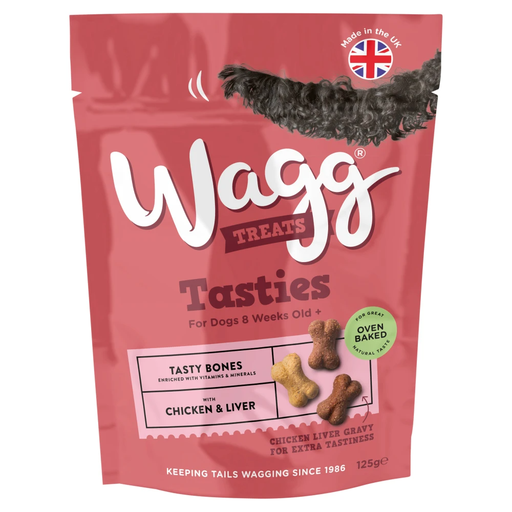
Why This Fits Their Persona: Bringing a new puppy home is exciting but also requires careful product selection. These treats are specifically formulated for puppy treats from just 8 weeks old, making them a reliable choice for early-stage training and bonding in the UK.
It directly counters the "hidden sugars" trap by clearly stating "No added sugar" on its composition list. The ingredients are also specified (e.g., Chicken Meal 18%), avoiding vague terminology.
Suitable for puppies from 8 weeks old. Contains added vitamins and minerals to support a growing dog's development.
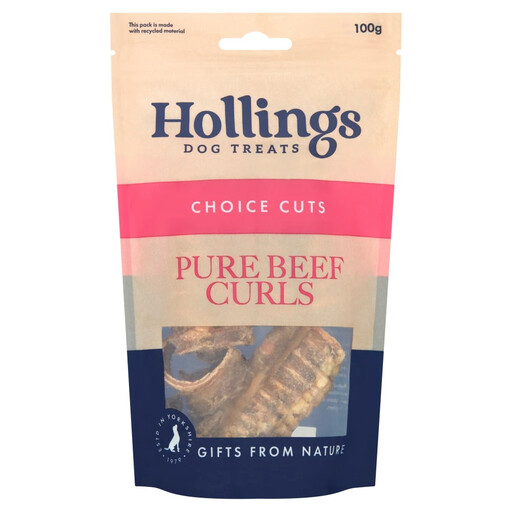
Why This Fits Their Persona: This owner prioritises purity above all else. They want single-ingredient, minimally processed treats and are willing to invest in quality. These beef curls are ideal for dogs with sensitivities or for owners who follow a strict dietary philosophy.
This product is the antithesis of the "vague ingredients" trap. The composition is simply "Beef (100%)". It is also grain-free and contains no added sugars, artificial colours, flavours or preservatives.
A single-protein, 100% natural treat. It is air-dried to retain nutrients and is a natural source of glucosamine and chondroitin, which are known to support joint health.
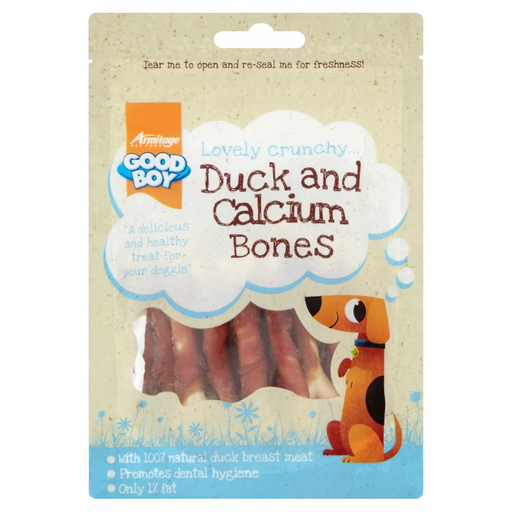
Why This Fits Their Persona: This owner is carefully managing their dog's calorie intake, whether for weight loss or to maintain a healthy weight for less active or smaller breeds. They need a treat that feels substantial but is verifiably low in fat.
It directly tackles the "hidden fats" trap by having a remarkably low 1% fat content. The main ingredient is 100% natural duck breast meat, providing a clear, high-quality protein source.
An excellent low fat dog treat that is still high in protein (28%). It is also enriched with calcium to help support strong teeth and bones.
We have compiled a complete, real-time list of products that fully satisfy these strict selection criteria and UK safety regulations.
A widely accepted guideline is the 10% rule: treats should not make up more than 10% of your dog's total daily calorie intake. Always check the feeding guide on the packaging, as recommendations will vary based on the treat's size and calorie density, as well as your dog's weight and activity level. When you give treats, it's good practice to slightly reduce the size of their main meal to maintain a healthy weight.
Not necessarily. Grain-free dog treats are an excellent option for dogs with diagnosed grain allergies or sensitivities, which can manifest as skin irritation or digestive upset. However, many dogs digest grains perfectly well. The quality of the ingredients is more important than whether a treat is grain-free or not. A treat with high-quality whole grains is often a better choice than a grain-free one filled with low-quality starches and fillers.
While both can keep a dog occupied, they have different primary functions. Dental chews for dogs are specifically engineered with a texture and shape that creates friction against the tooth surface during chewing, helping to scrape away plaque. They may also contain ingredients that help to freshen breath. A regular long-lasting dog chew is primarily designed to satisfy a dog's natural chewing instinct and provide mental stimulation, though the mechanical action of chewing still offers some dental benefit.