
24/7 Customer Support

Free returns

Same-day & Next-day Delivery

Quality Guaranteed

Unlock Your Welcome Offers: FREE Delivery | Up to 80% OFF | Free 30-day JoyPlus trial
Download the APP
As a nation of dog lovers, we enjoy rewarding our four-legged companions. Yet, the sheer variety of dog treats on the market can be overwhelming. Navigating claims of "natural" or "healthy" can feel like a full-time job, and it's easy to fall into common purchasing traps that are neither good for your dog nor your wallet.
As a Joybuy Product Recommendation Officer, my role is to help you see past the marketing jargon. Let's look at two frequent pitfalls UK dog owners encounter and how to sidestep them.
To make an informed choice, you don't need a degree in animal nutrition. You just need to know where to look. Focusing on these three areas will help you select a treat that genuinely suits your dog's needs.
The ingredients are listed in order of weight, so the first few items make up the bulk of the treat.
This section provides a guaranteed analysis of the treat's nutritional makeup. The key figures to check are:
Not all treats serve the same function. Consider why you are buying them:
Based on a clear purpose and transparent ingredients, here are a few recommendations matched to different owner needs.
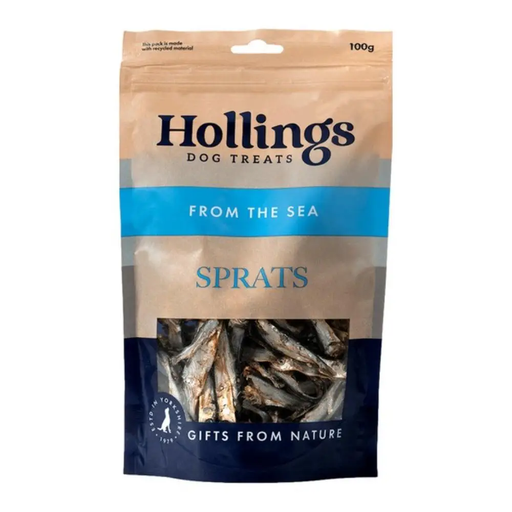
Why This Fits Their Persona: For the owner who wants an uncomplicated, single-ingredient treat. These are ideal for dogs with sensitivities or for owners who prefer to avoid complex ingredient lists and additives altogether.
This product completely bypasses the "natural" label trap. The ingredient list is simply "Sprats (100%)", leaving no room for hidden fillers, sugars or vague derivatives.
Extremely high in protein (79%) and naturally rich in Omega-3 fatty acids. It is a pure, simple and healthy dog treat.
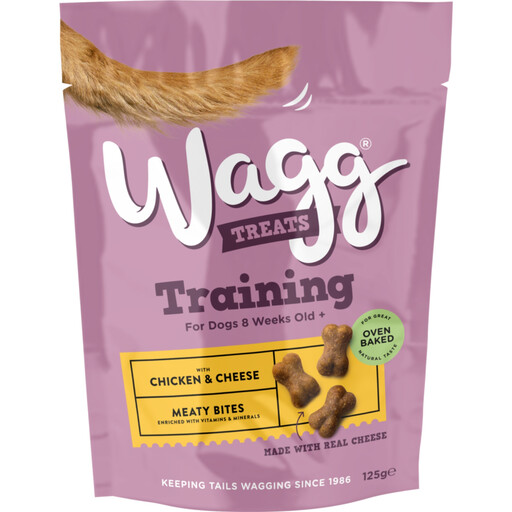
Why This Fits Their Persona: Perfect for owners who are actively training their dog and need a cost-effective supply of rewards. The small size is ideal for frequent positive reinforcement without overfeeding.
This bulk pack directly addresses the cost issue of frequent treating. The small, portion-controlled size helps avoid the calorie overload pitfall common during repetitive training exercises.
Specifically designed for training, enriched with vitamins and minerals and suitable for puppies from 8 weeks old.
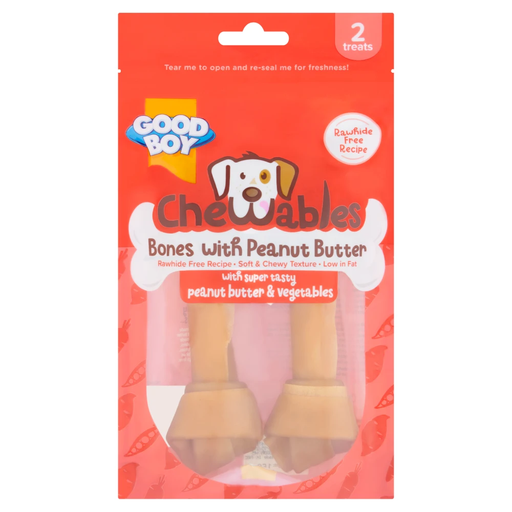
Why This Fits Their Persona: For owners who need a treat that provides mental stimulation and keeps their dog occupied. This is more than a quick snack; it's an activity to combat boredom.
Unlike soft treats that are gone in seconds, this chewable bone is a long-lasting dog chew that provides better value in terms of engagement time. It also has a very low fat content.
Made with real chicken breast (24.2%) and has an exceptionally low fat content of just 0.5%, making it a lighter option for a long-lasting chew.
We have compiled a complete, real-time list of products that fully satisfy these strict selection criteria and UK safety regulations.
A widely accepted guideline is the 10% rule: treats should not make up more than 10% of your dog's daily caloric intake. If you give your dog treats, you should reduce their main meal portion accordingly to maintain a healthy weight. Always check the feeding guide on the packaging for specific advice.
Grain-free dog treats are essential for dogs with a diagnosed grain allergy or sensitivity. For most dogs, however, grains are a perfectly acceptable source of carbohydrates. The "grain-free" label doesn't automatically make a treat healthier; some products replace grains with other starches like potato or pea flour, which can be just as calorie-dense. The overall quality of the ingredients is more important than the simple presence or absence of grain.
This is a legal term you will see on all treat packaging in the UK. It means the product is not intended to be a dog's sole source of nutrition. It should be fed in addition to a "complete" and balanced main diet. Treats are for rewarding and enjoyment, not for replacing meals.