
24/7 Customer Support

Free returns

Same-day & Next-day Delivery

Quality Guaranteed

Unlock Your Welcome Offers: FREE Delivery | Up to 80% OFF | Free 30-day JoyPlus trial
Download the APP
As a nation of dog lovers, we enjoy rewarding our four-legged friends. Yet, the sheer variety of dog treats on the market can be overwhelming. Navigating claims of "natural" or "healthy" can feel like a minefield, and it's easy to choose a product that isn't quite right for your companion. As your Joybuy Product Recommendation Officer, my role is to help you see past the marketing and focus on what truly matters.
Before you add another bag of treats to your basket, let's look at a few common pitfalls that many UK dog owners encounter:
natural dog treats can still contain processed fillers or ingredients of questionable origin. The key is to look past the front of the pack and scrutinise the ingredients list.long lasting dog chew designed for an adult dog's powerful jaws could damage the delicate teeth of a young puppy. Age, size and breed suitability are crucial for safety.To make an informed choice, focus on these key parameters. This will help you find everything from healthy dog treats for daily rewards to specific dog training treats.
The ingredients list is your most powerful tool. It's listed in order of weight, so the first few items make up the bulk of the treat.
grain free dog treats can be a sensible option.This section on the packaging provides a guaranteed analysis of the treat's nutritional makeup. Here’s what to focus on:
low fat dog treats (typically under 5% fat) is a wise move. High-fat treats should be given sparingly.Different treats serve different purposes. Consider why you are giving the treat:
Dog training treats should be small, soft and highly palatable to keep your dog's attention. They need to be low in calories so you can use them frequently during a session.Long lasting dog chews and certain dog biscuits with a crunchy texture can help reduce plaque buildup. They also provide valuable mental stimulation and can keep a dog occupied.Puppy treats must be specifically formulated for dogs under one year old (often from 8 weeks or 4 months). They should be softer and appropriately sized for smaller mouths and developing teeth.calming treats for dogs to help with anxiety.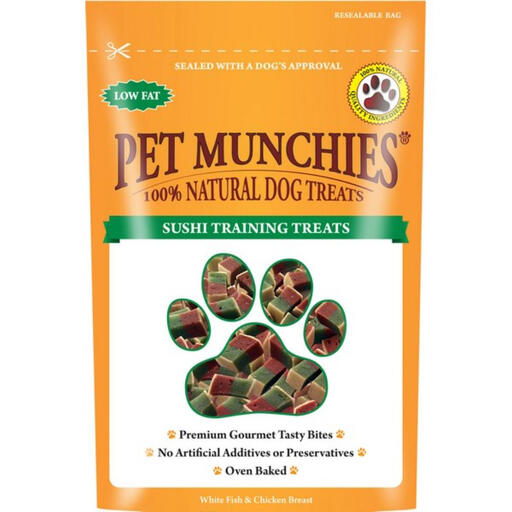
Why This Fits Their Persona: Perfect for the owner focused on positive reinforcement training. These treats are small, soft and can be broken into even smaller pieces, allowing for frequent rewards without excessive calorie intake during a training session.
It avoids the calorie trap with a low fat content (2%) and a design that encourages small portioning, making it an ideal choice for repetitive rewarding.
Made with a high percentage of human-grade chicken breast (79.6%) and is free from wheat and gluten, catering to sensitive dogs.
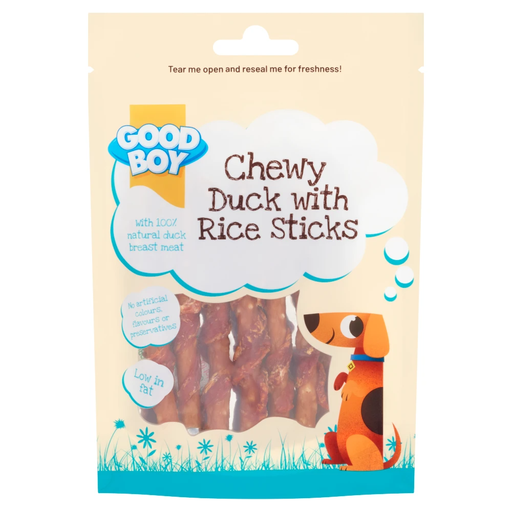
Why This Fits Their Persona: For the owner who meticulously reads labels and prioritises clean ingredients. This treat is for those managing their dog's weight or seeking a simple, high-protein snack without unnecessary additives.
It directly counters the "natural" vague-out by specifying "100% natural duck breast meat" as the core ingredient (79%). It's also rawhide-free for easier digestion.
Extremely low in fat (only 3%) and high in protein (32%). Contains no artificial colours, flavours or preservatives, making it a clean and simple choice.
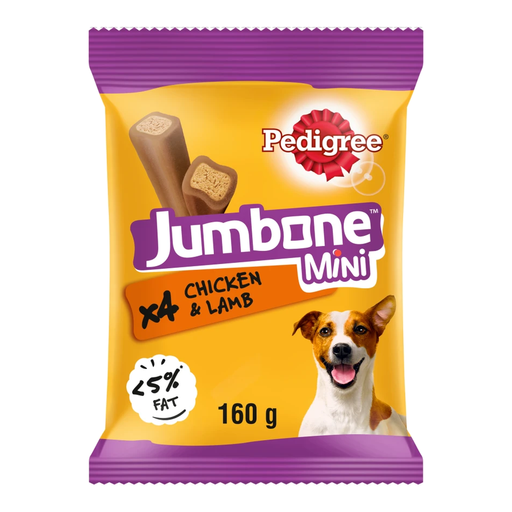
Why This Fits Their Persona: For owners of small to medium dogs who need a durable treat to keep them occupied and prevent boredom. The dual-texture design provides a satisfying, long-lasting chewing experience.
This chew is specifically designed for a particular size of dog (5-14kg), avoiding the "one-size-fits-all" trap. It's also low in fat (less than 5%), so it can be given as a weekly treat without guilt.
Combines a tough, chewy outer layer with a meaty centre to maintain interest. It is also enriched with Omega 3, Vitamin E and Calcium to support overall fitness.
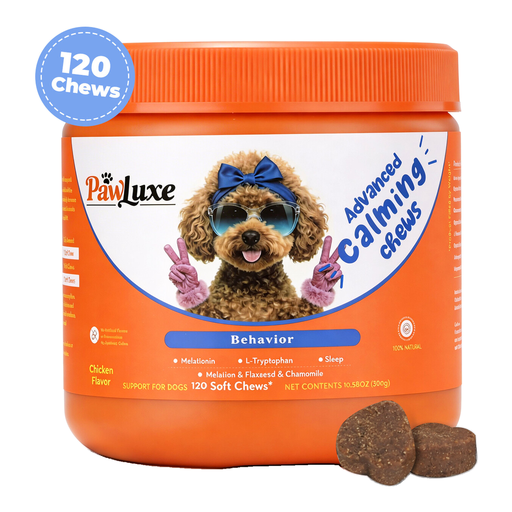
Why This Fits Their Persona: For the owner of a dog that struggles with stressful situations like fireworks, car journeys or separation. These treats are formulated with specific ingredients to help promote a sense of calm.
Instead of vague claims, this product lists specific active ingredients known for their calming properties, such as Organic Chamomile, Valerian Root and L-Theanine.
Offers a functional benefit beyond a simple reward. The soft chew format is easy to administer and palatable for most dogs, with a natural chicken flavour.
We have compiled a complete, real-time list of products that fully satisfy these strict selection criteria and UK safety regulations.
A widely accepted guideline is the 10% rule: treats should not make up more than 10% of your dog's total daily calorie intake. Always check the feeding guide on the packaging and remember to reduce their main meal accordingly to prevent weight gain.
Not necessarily. Grain free dog treats are primarily beneficial for dogs that have a diagnosed grain allergy or sensitivity. For most dogs, grains are a source of carbohydrates for energy and are perfectly healthy in moderation. If you suspect a food sensitivity, it is always best to consult your vet.
puppy treats can be given from 8 weeks. Always check the product's age recommendation on the packaging. It's vital to choose treats that are appropriately sized and textured for a puppy's developing teeth and jaws.