
24/7 Customer Support

Free returns

Same-day & Next-day Delivery

Quality Guaranteed

Unlock Your Welcome Offers: FREE Delivery | Up to 80% OFF | Free 30-day JoyPlus trial
Download the APP
Choosing the right dog treats can feel overwhelming. The aisles are packed with options, all promising to be the most delicious or healthiest choice for your companion. As a dog owner in the UK, you want to give them something they’ll love, but also something that contributes positively to their health and training. However, navigating the marketing claims can be tricky.
Many owners find themselves buying treats that are quickly rejected, unsuitable for their dog's size or worse, packed with hidden fillers and sugars despite a "healthy" label. This guide will help you cut through the clutter, identify the common pitfalls and understand the key factors to look for, ensuring your money is well spent on treats that truly benefit your dog.
Before you add anything to your basket, be aware of these frequent marketing traps that can lead to poor choices for your pet.
To make an informed decision, focus on these three non-negotiable parameters. They provide a clear, objective way to assess the quality and suitability of any dog treat.
Always read the composition list. The first three to five ingredients make up the bulk of the treat. Look for specific, whole-food ingredients at the top, such as "Duck Breast," "Chicken Meal" or "Beef." Be cautious of vague terms like "meat and animal derivatives" or "cereals" as the primary ingredient, as their quality can vary significantly. This is the most reliable way to find genuinely healthy dog treats.
The "Analytical Constituents" section on the back of the pack is your friend. Here are the key figures:
Consider why you are giving the treat.
Based on these practical criteria, we've matched a few standout options to different types of dog owners across the UK.
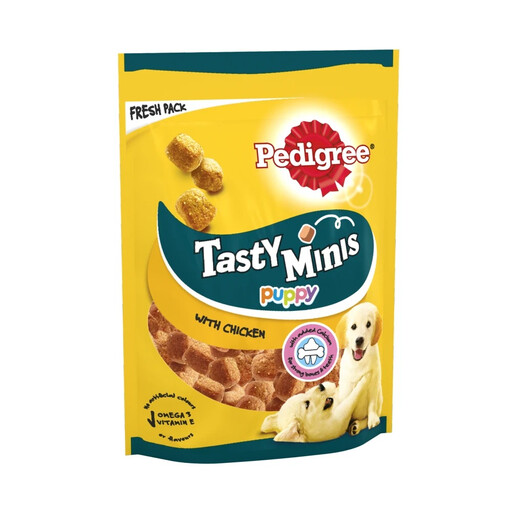
Why This Fits Their Persona: Perfect for house training and early obedience work, these small, soft cubes are easy for a young puppy to eat quickly without distraction. They are specifically formulated for a puppy's nutritional needs.
It sidesteps the "one-size-fits-all" pitfall by being explicitly designed for puppies aged 4-18 months, ensuring the size and nutritional content are appropriate for their developmental stage.
Enriched with Calcium to support bone development and Omega 3 for overall vitality. The small, chewy texture is ideal for young mouths.
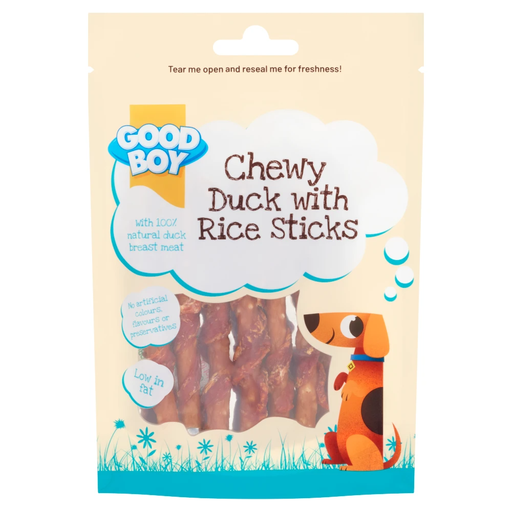
Why This Fits Their Persona: For owners who scrutinise labels, this treat's high meat content and rawhide-free recipe are major draws. It's a high-protein, low-fat option that feels like a wholesome choice rather than a junk food snack.
This product counters the "natural hype" pitfall with a clear, verifiable claim: 79% duck breast is the primary ingredient. It also avoids the "low-fat illusion" with a genuinely low 3% fat content.
Made with 100% natural duck breast meat and is rawhide-free, making it easier to digest. The rice sticks add a satisfying crunch.
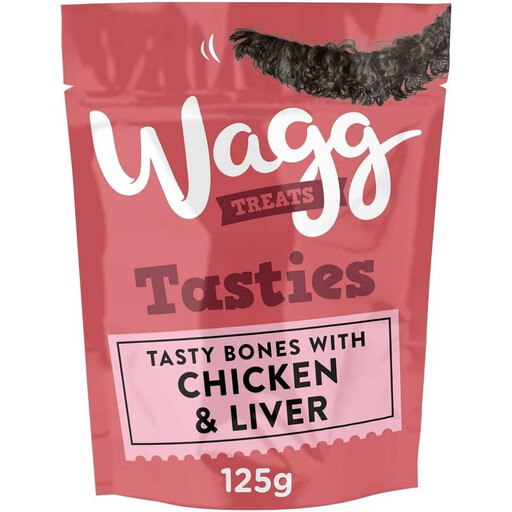
Why This Fits Their Persona: For households that get through a lot of treats for training or daily rewards, buying in bulk is the most economical choice. This multi-pack offers a straightforward, versatile treat without a premium price tag.
This option avoids the trap of overpaying for marketing. It's an honest, value-driven product. The bulk dog treats format provides clear cost savings, and its suitability for dogs from 8 weeks old makes it a versatile choice.
Excellent value with a pack of 7 (total 875g). A balanced nutritional profile with 16% protein and 4% fat makes it a suitable daily snack or reward.
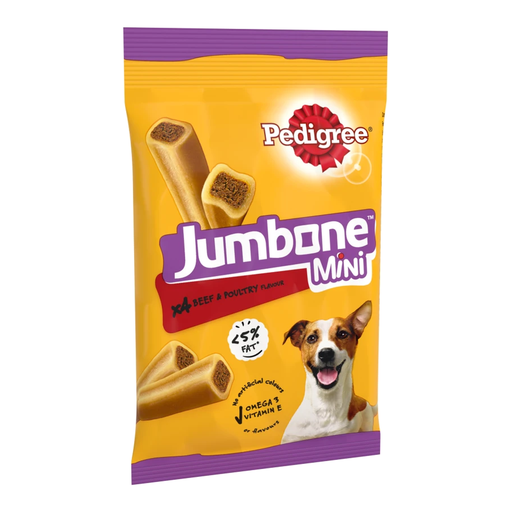
Why This Fits Their Persona: Owners of small dogs like terriers or dachshunds often need a chew that lasts longer than a standard biscuit but is safe for their size. The Jumbone Mini provides that satisfying, long-lasting chew experience.
This specifically targets the "one-size-fits-all" trap by offering a long lasting dog chew experience in a "Mini" size appropriate for small dogs (5-14kg). It's also a low-fat option, avoiding unnecessary calories.
Features a unique dual texture with a tough outer layer and a meaty centre to keep dogs engaged. The formula is low in fat (less than 5%) and fortified with vitamins.
We have compiled a complete, real-time list of products that fully satisfy these strict selection criteria and UK safety regulations.
The widely accepted guideline is that treats should not constitute more than 10% of your dog's total daily calorie intake. Always check the feeding guide on the product packaging, as recommendations vary based on the treat's size and calorie content, as well as your dog's weight and activity level. Remember to reduce their main meal portion accordingly to maintain a healthy weight.
Not always. While grain-free diets are essential for dogs with a specific, vet-diagnosed grain allergy or sensitivity, grains like corn and wheat can be a perfectly healthy source of energy and nutrients for most dogs. The overall quality and digestibility of the ingredients are more important than simply being "grain-free." Focus on treats with high-quality protein sources and a balanced nutritional profile.
You can typically introduce treats designed for puppies once they are weaned and eating solid food, usually around eight weeks of age. However, it is crucial to check the packaging for the manufacturer's specific age recommendation. For example, some products are suitable from 8 weeks, while others, like the Pedigree Tasty Minis for puppies, are intended for those aged 4 months and older. Always start with soft, small treats that are easy for them to chew and swallow.