
24/7 全天候客户支持

免费退货

当日/次日达

品质保障

开启新人专享福利: 全场免邮 | 低至 2 折 | 免费试用 30 天 JoyPlus 会员
下载 Joybuy
As a nation of dog lovers, we enjoy rewarding our four-legged companions. Yet, the sheer variety of dog treats on the market can be overwhelming. Navigating the aisles, both physical and virtual, often means facing a wall of marketing claims that can be difficult to decipher. Many well-intentioned owners find themselves buying treats that are unsuitable for their dog's age, size or dietary needs.
My role as a Joybuy Product Recommendation Officer is to help you see past the hype. Before you add another bag of treats to your basket, let's look at a few common pitfalls that can lead to poor choices and wasted money.
By learning to look for a few key details, you can make a more informed choice that genuinely benefits your dog.
To ensure you're selecting a suitable and worthwhile treat, focus on these three core parameters. They provide a clear, objective way to assess quality and suitability beyond the marketing slogans.
The ingredients list, or "Composition," is the most honest part of the packaging. It lists ingredients by weight, from highest to lowest.
Different treats serve different functions. Understanding this helps you choose the right tool for the job.
Always check the packaging for age recommendations. Most treats will state "Not suitable for puppies under 4 months." This is because young puppies have delicate digestive systems and developing teeth that aren't ready for harder chews. The size of the treat should also match the size of your dog to ensure they can chew and swallow it safely.
Based on these practical criteria, here are a few recommendations from our catalogue, matched to specific types of dog owners.
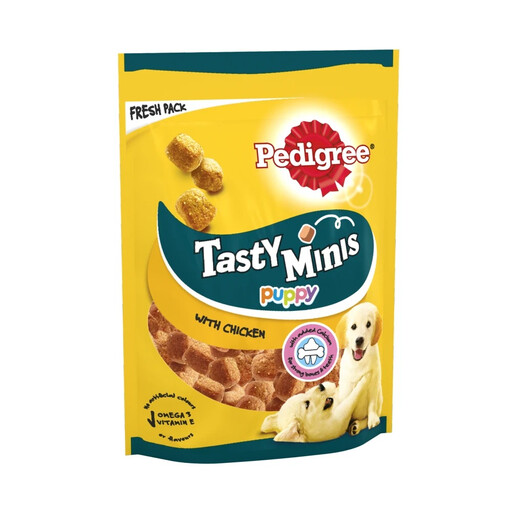
Why This Fits Their Persona: These are specifically formulated for puppies from 4 months old. Their small, soft and chewy texture is perfect for young mouths and ideal for frequent rewards during those crucial early training months.
This product directly avoids the "one-size-fits-all" trap by being age-specific. It is enriched with calcium to support the development of strong teeth and bones, addressing a puppy's unique nutritional needs.
Contains Omega 3 for overall vitality and dietary fibre for healthy digestion. The bite-sized format makes them perfect for positive reinforcement training.
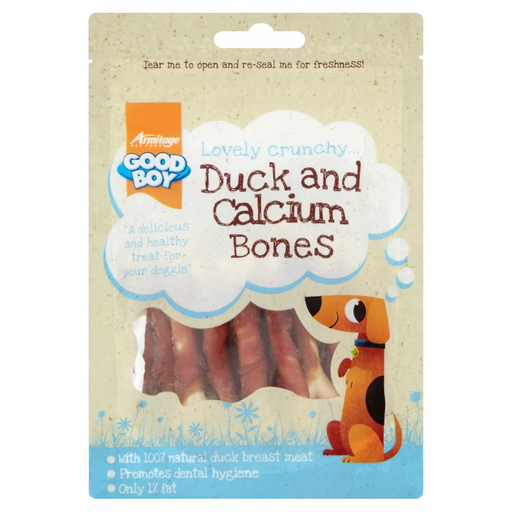
Why This Fits Their Persona: Ideal for owners who carefully read labels and prioritise natural ingredients. This treat is made with 100% natural duck breast and is wheat-free, catering to dogs that may have sensitivities.
It counters the "hidden fats" pitfall with a remarkably low 1% fat content. It also avoids the vague "natural" label trap by clearly stating "Duck Breast (55%)" as a primary ingredient and containing no artificial colours or flavours.
This treat is high in protein (28%) and is enriched with calcium to help support strong teeth and bones, making it a functionally beneficial snack.
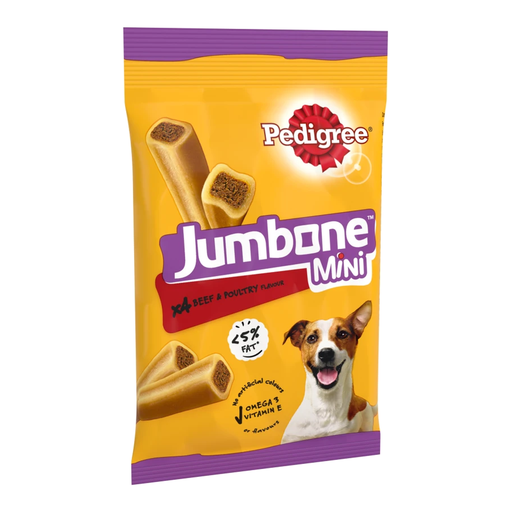
Why This Fits Their Persona: For owners of small to medium dogs (5-14kg) who need a satisfying, long-lasting chew to keep their pet occupied. The dual-texture design provides a more engaging chewing experience than a simple biscuit.
It provides a safer chewing experience with its tough but pliable outer layer and soft centre, reducing the risks associated with overly hard chews that can damage teeth. It also has less than 5% fat, avoiding the high-fat trap.
This is a long lasting dog chew that is also fortified with Calcium for strong bones and Vitamin E to support natural defences, adding nutritional value to treat time.
We have compiled a complete, real-time list of products that fully satisfy these strict selection criteria and UK safety regulations.
A widely accepted guideline is the 10% rule: treats should not make up more than 10% of your dog's total daily calorie intake. The feeding guide on the packaging offers a good starting point, but remember to adjust your dog's main meal accordingly to maintain a healthy weight. If you are using lots of treats for a training session, consider using a portion of their regular kibble instead.
Not necessarily. Grain free dog treats are an excellent choice for dogs with a diagnosed grain allergy or sensitivity. For most dogs, high-quality whole grains can be a healthy part of their diet. The overall quality of the ingredients is more important than simply being grain-free. If you suspect a food sensitivity, it is always advisable to consult your vet.
While both are enjoyable for your dog, they have different purposes. Dental chews for dogs are specifically engineered with a unique shape and texture designed to mechanically scrub teeth as the dog chews, helping to reduce the build-up of plaque and tartar. Regular treats, like dog biscuits or soft dog treats, are primarily intended as a reward for behaviour or as a simple snack.