
24/7 Customer Support

Free returns

Same-day & Next-day Delivery

Quality Guaranteed

Unlock Your Welcome Offers: FREE Delivery | Up to 80% OFF | Free 30-day JoyPlus trial
Download the APP
As a nation of dog lovers, we enjoy rewarding our four-legged companions. However, the sheer variety of dog treats on the market can be overwhelming. Navigating claims of "natural", "healthy" and "premium" can feel like a full-time job, and it's easy to fall into common purchasing traps that are unkind to both your dog's health and your wallet.
As the Joybuy Product Recommendation Officer, my role is to help you see past the marketing clutter. This guide will break down the key factors to consider when selecting dog treats, helping you make informed choices for your furry friend.
Before we explore what to look for, let's identify the most frequent mistakes UK dog owners make:
To ensure you're getting a suitable product, focus on these three non-negotiable checks. This will help you find everything from the perfect dog training treats to satisfying long lasting dog chews.
The composition list is your most reliable source of information. In the UK, ingredients must be listed in descending order of weight.
grain free dog treats or those with no added sugars is a sensible approach.Different treats serve different functions. Consider what you want to achieve:
Puppy treats are often ideal for this, even for adult dogs.dental chews for dogs or hard-baked dog biscuits. Their abrasive texture helps to mechanically clean teeth and reduce tartar build-up as your dog chews.long lasting dog chews like rawhide alternatives or natural bones are an excellent choice. Always ensure the size is appropriate for your dog to prevent choking hazards.Every dog is an individual. A young, active Border Collie has different dietary requirements from a senior, overweight Pug.
puppy treats that are often softer and may contain added calcium for bone development.grain free dog treats or single-protein source treats can be a good option.low fat dog treats are essential. Check the analytical constituents for the "Fat Content" percentage.Based on these practical criteria, here are a few options from our catalogue matched to specific UK dog owner profiles.
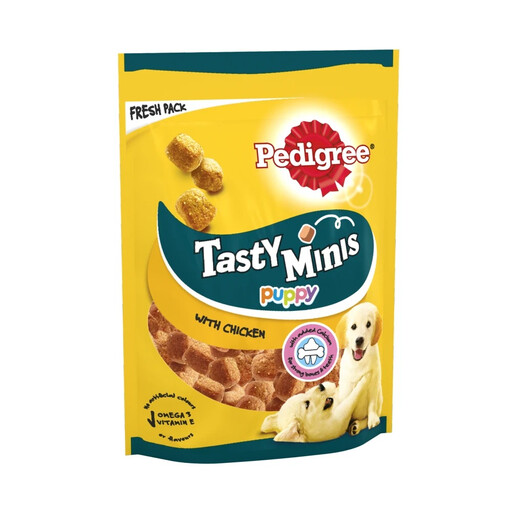
Why This Fits Their Persona: Perfect for house-training and early socialisation. These small, soft cubes are easy for a puppy to chew and are designed for frequent rewarding without upsetting their delicate stomach.
It's purpose-built for puppies (from 4 months), avoiding the "one-size-fits-all" trap. The formulation is specific to their needs, not just a smaller version of an adult treat.
Enriched with Calcium to support developing teeth and bones and Omega 3 for overall vitality. No added artificial colours or flavours.
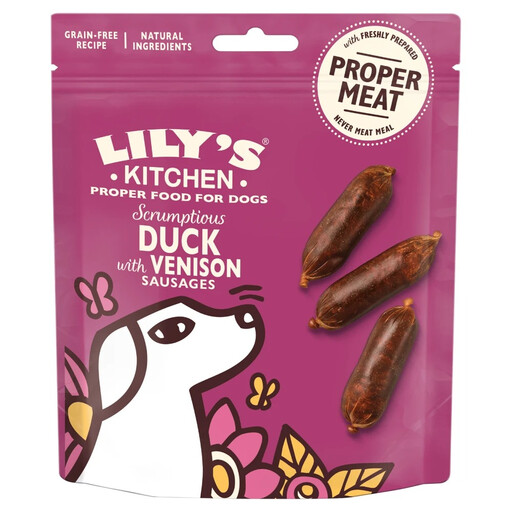
Why This Fits Their Persona: For owners who prioritise clean eating for their pets. These treats are made with high-quality, recognisable ingredients and cater to dogs that may have sensitivities.
This product avoids vague ingredients. The composition clearly states it contains Duck (70%) and Venison (4%), moving beyond the "healthy halo" with a transparent, high-meat formula.
Made with natural ingredients and a grain-free recipe. The high protein (33%) and satisfyingly chewy texture make it a high-value reward.
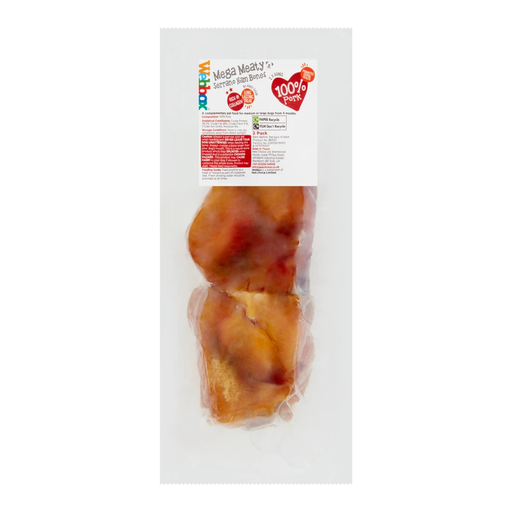
Why This Fits Their Persona: Ideal for owners of medium to large breeds who need a durable, long-lasting chew to keep their dog entertained and prevent destructive chewing on household items.
This is a purpose-specific treat. It's not a quick reward but a long-lasting dog chew designed for a specific function: satisfying a strong urge to chew and promoting dental health through gnawing.
A single-ingredient treat made from 100% Pork. It's a natural product with no added sugar, providing a high-protein (36.2%) and engaging chewing experience.
We have compiled a complete, real-time list of products that fully satisfy these strict selection criteria and UK safety regulations.
Here are answers to a few common questions UK dog owners have about treats.
1. How many dog treats can I give my dog a day? A common guideline is that treats should not make up more than 10% of your dog's total daily calorie intake. Always check the feeding guide on the packaging for specific recommendations based on your dog's size and adjust their main meal accordingly to maintain a healthy body condition.
2. Are grain-free dog treats better for all dogs?Grain free dog treats are primarily beneficial for dogs with a diagnosed grain allergy or sensitivity. For most dogs, whole grains can be a healthy part of a balanced diet. The overall quality and digestibility of the ingredients are more important than simply being grain-free. If you suspect your dog has a food allergy, consulting your vet is the best course of action.
3. At what age can I start giving my puppy treats? Most soft puppy treats are suitable for puppies from 8 weeks of age. However, harder chews and bones are typically recommended for puppies 4 months or older, once their adult teeth have started to come in. Always read the age recommendation on the packaging to ensure the treat is safe for your puppy's developmental stage.