
24/7 Customer Support

Free returns

Same-day & Next-day Delivery

Quality Guaranteed

Unlock Your Welcome Offers: FREE Delivery | Up to 80% OFF | Free 30-day JoyPlus trial
Download the APP
Choosing the right dog treats for your companion can feel overwhelming. The shelves are packed with options, all promising to be the tastiest or healthiest choice. As a dog owner, you want to give them something they’ll love, but also something that contributes positively to their well-being. Unfortunately, marketing messages can often be confusing, leading to purchases that don't quite meet your expectations or your dog's needs.
As the Joybuy Product Recommendation Officer, my role is to help you navigate this crowded market. We'll look past the flashy packaging and focus on what truly matters. Let's break down some common pitfalls to avoid and what to look for to ensure you're making a sound choice for your furry friend.
Before we get into what makes a good treat, it's useful to recognise the common traps that many of us fall into.
To avoid these pitfalls, focus on a few key parameters when you're comparing products. A quick check of the label can tell you everything you need to know.
The ingredients on a pet food label are listed in order of weight. The first few ingredients make up the bulk of the treat.
The debate around grains in dog food extends to treats.
Different treats serve different purposes. Consider why you are giving your dog a treat.
To help you see how these principles apply in practice, here are a few recommendations from our catalogue, matched to different owner and pet profiles.
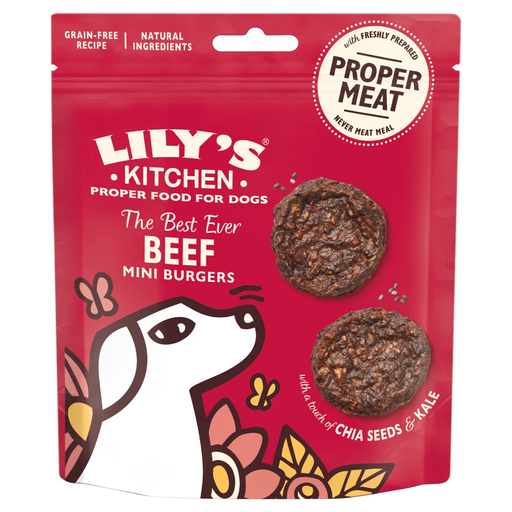
Why This Fits Their Persona: This owner prioritises high-quality, transparent ingredients. They want a treat that is both delicious for their dog and nutritionally sound, without any hidden nasties or fillers.
It directly counters the "rich in meat" ambiguity by clearly stating it contains 80% beef. It also avoids the "natural" illusion by being grain-free and using wholesome ingredients like chia and kale instead of cheap fillers.
A very high, specified meat content from a single protein source. The grain-free recipe makes it suitable for dogs with sensitive digestion.
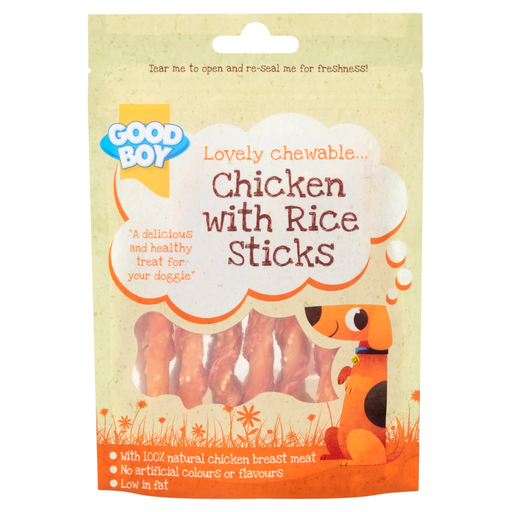
Why This Fits Their Persona: This owner needs a treat that won't compromise their dog's weight management plan. They are looking for a genuinely low fat dog treat that is still satisfying and made from quality ingredients.
It avoids the trap of hidden fats by being transparently low in fat. The analytical constituents confirm a fat content of just 1.5%. It also uses 100% natural chicken breast meat, avoiding vague derivatives.
Extremely low fat content makes it a suitable choice for dogs on a calorie-controlled diet. The high protein content (32%) from chicken breast helps maintain muscle.
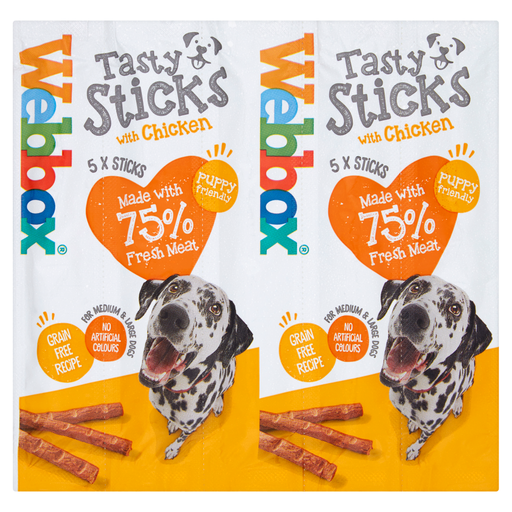
Why This Fits Their Persona: This owner is focused on training and needs a high-value reward that is safe and appropriate for a young, growing dog. They need a treat that is soft, easy to portion and nutritionally suitable for a puppy.
It is specifically formulated for puppies from 3 months, removing the guesswork. The high meat content (75% fresh meat) and grain-free recipe avoid the common pitfalls of low-value fillers that can upset a puppy's sensitive stomach.
The soft texture is gentle on developing teeth, and the high protein content supports healthy growth. It's a purpose-built puppy training treat.
We have compiled a complete, real-time list of products that fully satisfy these strict selection criteria and UK safety regulations.
There's no single answer, as it depends on the treat's calorie count and your dog's size, age and activity level. A widely accepted guideline is that treats should not make up more than 10% of your dog's total daily caloric intake. Always check the feeding guide on the packaging and remember to adjust their main meal portion accordingly to maintain a healthy weight.
Not necessarily. Grain-free dog treats are essential for dogs with diagnosed grain allergies or sensitivities. For most other dogs, treats containing wholegrains can be a perfectly healthy part of a balanced diet. The key is the quality and quantity of the grain. If cereals are the first ingredient, it's likely a low-cost filler.
It is not recommended to give dog treats to your cat regularly. Cats are obligate carnivores and have different nutritional requirements, including a need for taurine, an amino acid that is often absent in dog food and treats. While a tiny nibble is unlikely to cause harm, it's always better to stick to specially formulated cat treats to ensure they get the right nutrients.