
24/7 Customer Support

Free returns

Same-day & Next-day Delivery

Quality Guaranteed

Unlock Your Welcome Offers: FREE Delivery | Up to 80% OFF | Free 30-day JoyPlus trial
Download the APP
As a nation of dog lovers, we want to give our companions the very best. Yet, the market for dog treats in the UK is flooded with options, making it difficult to separate genuinely good choices from clever marketing. Many well-intentioned owners find themselves with treats that are either unhealthy, unsuitable for their dog's needs or simply a waste of money.
As the Joybuy Product Recommendation Officer, my role is to help you navigate this landscape. This guide will highlight common purchasing pitfalls and break down what really matters when selecting a treat, ensuring you make a choice that benefits both your dog and your wallet.
Before you add anything to your basket, be aware of these frequent marketing tactics and product flaws that can lead to poor choices.
To avoid these traps, focus on these three key parameters. They provide a clear, objective way to assess the quality and suitability of any dog treat.
This is the most important part of the label. Look for a named protein source as the first ingredient (e.g., "Duck Breast 57%" or "Fresh Chicken"). This is a strong indicator of a high protein dog treat. Be cautious of vague terms like "meat and animal derivatives" or "cereals," which don't specify the source or quality. A shorter, more recognisable ingredients list is often a sign of a less processed, more wholesome product.
This section on the packaging provides a nutritional breakdown. Here’s what to look for:
Not all treats serve the same function. Consider why you are giving the treat:
Based on these practical criteria, here are some recommendations matched to different types of dog owners in the UK.
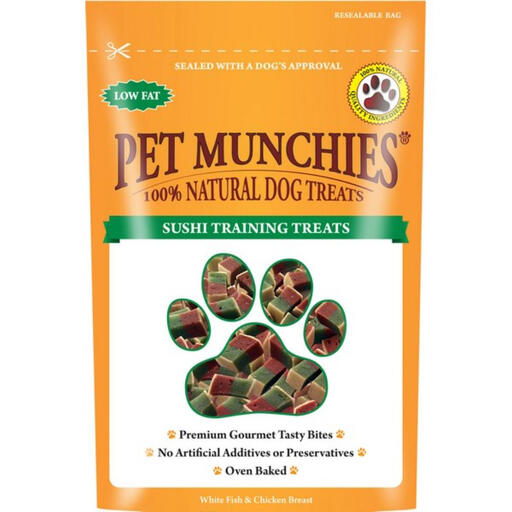
Why This Fits Their Persona: Perfect for owners focused on positive reinforcement training. These treats are small, soft and highly palatable, making them an ideal high-value reward for puppies (from 4 months) and adult dogs during training sessions.
It avoids the calorie trap by being small and low in fat (2%). The primary ingredient is clearly stated as Chicken Breast (79.6%), not a vague "natural" derivative.
Naturally low in fat and made with human-grade chicken. They are also wheat and gluten-free, catering to common sensitivities.
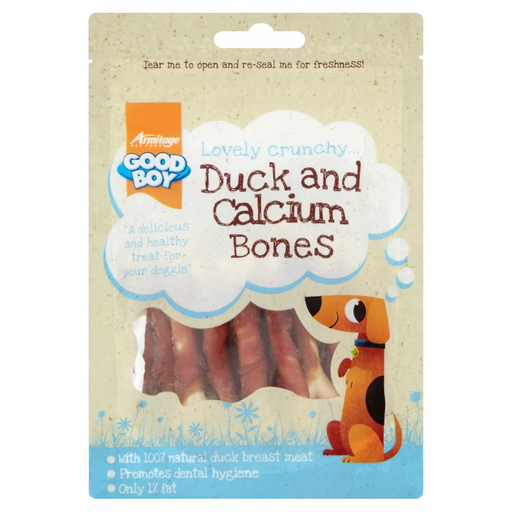
Why This Fits Their Persona: Ideal for owners managing their dog's weight or looking for treats with functional benefits. This option is extremely low in fat and free from common allergens like wheat.
It counters the "natural" illusion with a clear primary ingredient: 100% natural duck breast meat. It also avoids the grain-free hype by being specifically wheat-free, targeting a common sensitivity without making broad claims.
An exceptionally low fat content of 1% makes it a responsible choice. It is also enriched with calcium to help support strong teeth and bones.
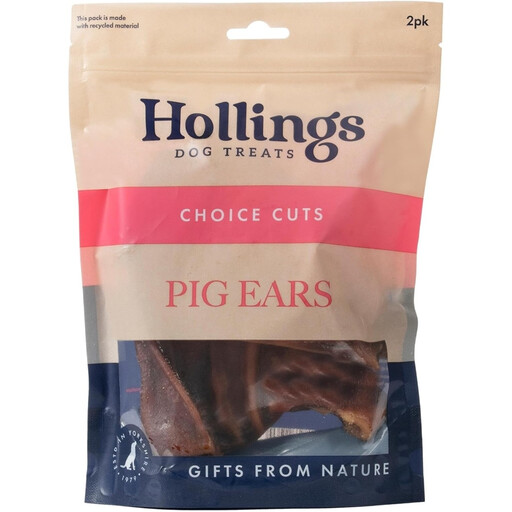
Why This Fits Their Persona: For owners of dogs that need a long-lasting, satisfying chew. Pig ears provide mental stimulation, help alleviate boredom and satisfy a dog's natural instinct to gnaw, making them a great choice for dental health.
This product is the definition of a simple, natural treat. The ingredient list is just Pork (100%). It's air-dried, grain-free and contains no artificial additives, cutting through all marketing clutter.
It's a 100% natural, single-ingredient chew that is high in protein (58%). It also serves as a natural source of glucosamine and chondroitin, which can help support joint health.
We have compiled a complete, real-time list of products that fully satisfy these strict selection criteria and UK safety regulations.
A widely accepted guideline is the 10% rule: treats should not make up more than 10% of your dog's total daily calorie intake. If you give your dog several treats, you should reduce the portion size of their main meal accordingly to help maintain a healthy weight. Always check the feeding guide on the packaging for specific advice.
Not necessarily. Grain-free dog treats are crucial for dogs with a diagnosed grain allergy or sensitivity. However, for the majority of dogs, grains are not harmful and can be part of a healthy diet. The overall quality and digestibility of all ingredients in the treat are more important than simply being grain-free. If you suspect a food sensitivity, it is always best to consult your vet.
When choosing puppy training treats, prioritise three things: small size, low calories and high palatability. Because you'll be using them frequently for rewards, they need to be small and not contribute excessively to your puppy's daily calorie count. A soft texture and strong, appealing scent will keep your puppy focused and motivated during training sessions. Ensure they are suitable for your puppy's age, as some treats are not recommended for dogs under 3 or 4 months old.