
24/7 Customer Support

Free returns

Same-day & Next-day Delivery

Quality Guaranteed

Unlock Your Welcome Offers: FREE Delivery | Up to 80% OFF | Free 30-day JoyPlus trial
Download the APP
Walking down the pet food aisle or browsing online, the sheer variety of dog treats can be overwhelming. Every packet promises a happy, healthy dog, but how do you separate genuine quality from clever marketing? Many UK dog owners find themselves buying treats that are either ignored by their pet, unsuitable for their dietary needs or gone in seconds. Before you add another bag to your basket, let's look at a few common pitfalls.
To make an informed choice, focus on the details on the back of the pack. Here are the key parameters to check.
The composition list is your most reliable guide to what's inside. Ingredients are listed by weight, so the first few items make up the bulk of the treat.
The "Analytical Constituents" section provides a clear nutritional breakdown. Understanding these figures is crucial, especially if you're looking for low fat dog treats.
Not all treats serve the same function. Consider why you are giving your dog a treat.
We've filtered through the options to find products that align with these principles, matching them to different types of dog owners.
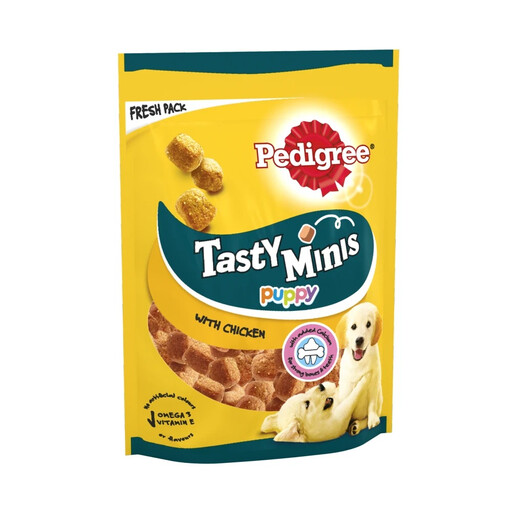
Why This Fits Their Persona: These small, soft cubes are specifically designed for puppies from 4 months old. Their size and texture are ideal for frequent rewards during those crucial early training months without being too hard on developing teeth.
It directly addresses the age-mismatch pitfall by being explicitly formulated for puppies, with added calcium to support bone development. The bite-sized format prevents overfeeding during training.
Contains Omega 3 to support overall puppy development and has a soft, chewy texture that is highly palatable for young dogs.
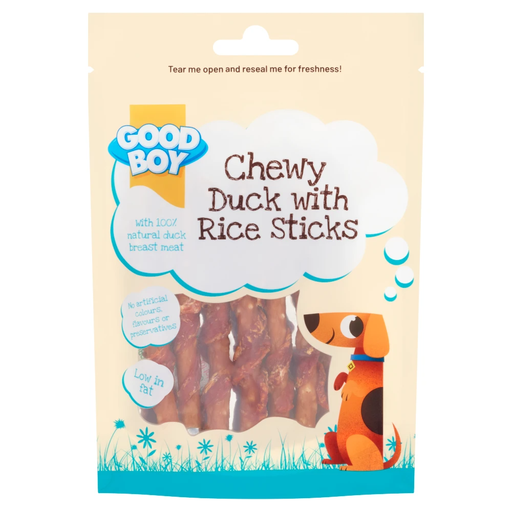
Why This Fits Their Persona: For owners who scrutinise labels, this treat stands out. It's made with 79% real duck breast and is rawhide-free, making it a high-protein, more easily digestible option for their companion.
It counters the "natural" mirage with a transparent, high-meat-content ingredient list. It also avoids the calorie trap with a very low fat content of just 3%, making it a genuinely lean choice.
High in protein (32%) from a single specified source (duck). Contains no artificial colours, flavours or preservatives.
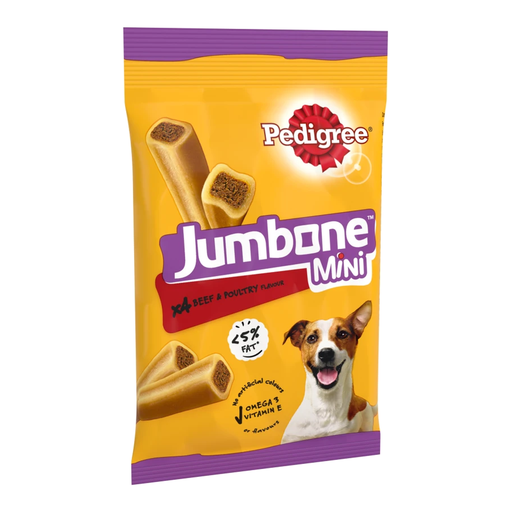
Why This Fits Their Persona: This treat is designed for prolonged enjoyment. Its unique structure with a tough chewy outer layer and a meaty centre provides a satisfying, long-lasting chewing experience for small to medium dogs that get bored easily.
It avoids being just another high-calorie chew by having a low-fat formula (less than 5%). It's a purpose-built chew that provides enrichment without significantly impacting a dog's daily calorie intake.
The dual-texture design helps to keep dogs engaged. It is also fortified with calcium to support bone health.
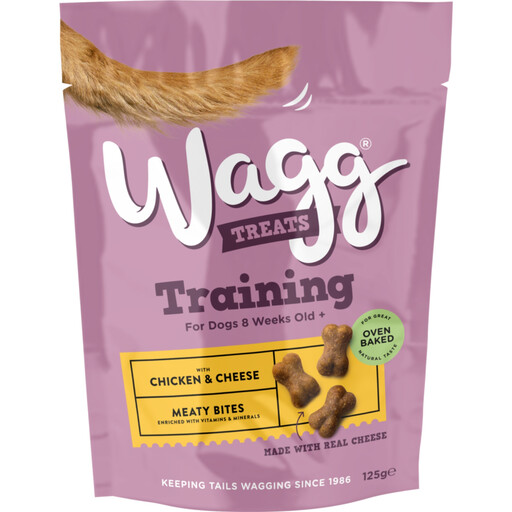
Why This Fits Their Persona: This multi-pack is a practical and economical choice for owners who use treats regularly for training. The small, bone-shaped treats are easy to handle and suitable for dogs from 8 weeks old, making them versatile for ongoing positive reinforcement.
It avoids the hidden sugar trap by having no added sugar. The bulk-buy format also offers better value for money, preventing the need to constantly repurchase small, expensive bags of training treats.
Oven-baked for a satisfying texture and enriched with vitamins and minerals. Being made in the UK is also a plus for many local buyers.
We have compiled a complete, real-time list of products that fully satisfy these strict selection criteria and UK safety regulations.
A widely accepted guideline is that treats should not make up more than 10% of your dog's total daily calorie intake. Always check the feeding guide on the packaging, which often provides recommendations based on your dog's size. If you are using a lot of treats for a training session, remember to reduce the size of their main meal accordingly to maintain a healthy weight.
This depends on the specific treat. Many products are not suitable for puppies under 4 months old, as their digestive systems and teeth are still developing. Always look for puppy treats specifically formulated for young dogs and check the minimum age on the label. The Wagg treats mentioned above are suitable from 8 weeks, while others like the Pedigree Puppy Minis are for 4 months and older.
Not necessarily for every dog. Grain-free diets became popular based on the idea that grains are unnatural fillers. However, most dogs digest grains perfectly well. A grain-free treat can be a good option for dogs with a diagnosed grain allergy or sensitivity. For most dogs, the overall quality of the ingredients (like high meat content and low fat) is more important than whether it contains grain.