
24/7 Customer Support

Free returns

Same-day & Next-day Delivery

Quality Guaranteed

Unlock Your Welcome Offers: FREE Delivery | Up to 80% OFF | Free 30-day JoyPlus trial
Download the APP
As a nation of dog lovers, we enjoy rewarding our four-legged friends. However, the sheer variety of dog treats on the market can be overwhelming. Navigating the aisles, you are often met with confusing labels and marketing claims that make it difficult to choose a suitable and healthy option for your companion. Many owners find themselves spending money on treats that are either quickly rejected or, worse, unsuitable for their dog's dietary needs.
Before you make your next purchase, it is worth being aware of a few common pitfalls:
By understanding what to look for, you can confidently select treats that are both enjoyable for your dog and aligned with their health requirements.
To make an informed choice, focus on a few key details on the packaging. These parameters will tell you more about the product's quality than any marketing slogan.
The ingredients are listed by weight, so the first few items make up the bulk of the treat. Look for a clearly named protein source, such as beef, chicken or lamb, high up on the list. If your dog has a sensitive stomach, you might consider grain free dog treats, which avoid common allergens like wheat and cereals. For a simple, high-quality option, look for single-ingredient products, such as air-dried beef dog treats, which contain nothing but meat.
This section provides a breakdown of the treat's nutritional profile. Here are the key figures to check:
Not all treats serve the same function. Consider why you are giving the treat:
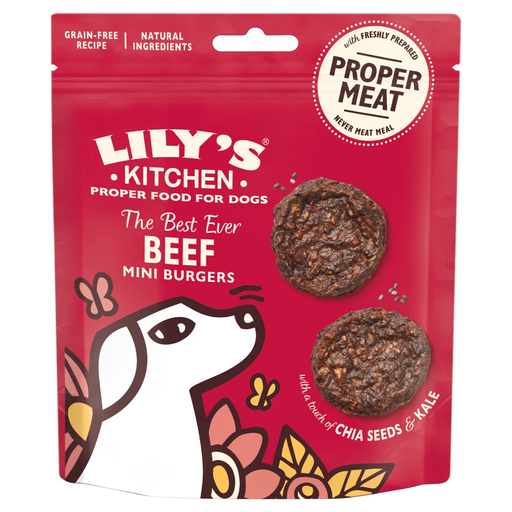
Why This Fits Their Persona: For the owner who prioritises clean, recognisable ingredients, these mini burgers are an excellent choice. They are ideal for those who read labels carefully and want to provide a high-protein, grain-free reward without hidden nasties.
It avoids vague "derivatives" by using 80% freshly prepared beef as the primary ingredient. The grain-free recipe and absence of added sugars directly counter the pitfalls of hidden fillers and unhealthy additives.
Made with proper meat and natural ingredients like chia and kale. The high protein content (43%) makes it a satisfying and nutritious reward.
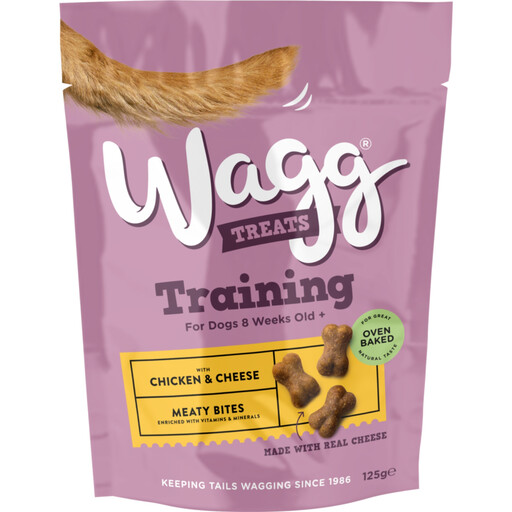
Why This Fits Their Persona: Perfect for owners engaged in regular training sessions. This dog treats multipack offers great value and provides a large quantity of small, tasty rewards that are suitable for frequent use without causing excessive weight gain.
These treats are specifically designed for training, meaning they are portion-controlled. The recipe has no added sugar, avoiding one of the most common pitfalls of daily treating.
Enriched with vitamins and minerals and suitable for puppies from 8 weeks old. The oven-baked texture is appealing to most dogs.
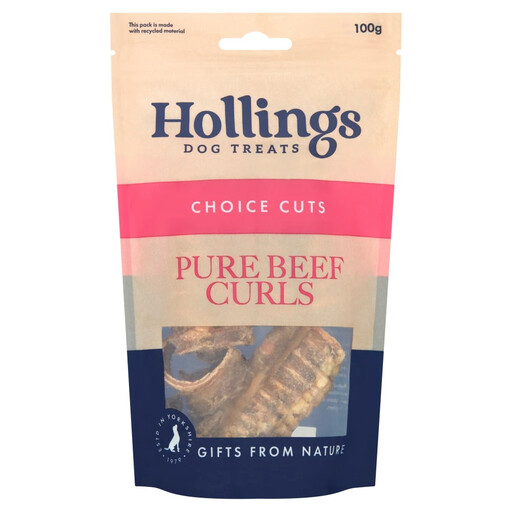
Why This Fits Their Persona: For owners needing a durable chew to keep their dog occupied and support dental health. This is a single-ingredient treat, making it a straightforward and simple choice for dogs who enjoy a good, long chew.
This product is the definition of transparency. Made from 100% natural beef trachea, it completely avoids fillers, artificial additives and sugars. It is a pure, air-dried chew that is what it says it is.
It is a natural source of glucosamine and chondroitin, which are known to support joint health. As a single-protein, grain-free chew, it is also suitable for many dogs with dietary sensitivities.
We have compiled a complete, real-time list of products that fully satisfy these strict selection criteria and UK safety regulations.
The "10% rule" is a good guideline: treats should not make up more than 10% of your dog's daily calorie intake. Always check the feeding guide on the packaging, as recommendations vary based on the treat's size and calorie content, as well as your dog's size and activity level. When you give treats, it is good practice to slightly reduce the portion of their main meal to help maintain a healthy weight.
Not necessarily for every dog. Grain free dog treats are primarily beneficial for dogs with a diagnosed grain allergy or sensitivity. For most dogs, grains can be a healthy part of their diet. However, grain-free recipes often use higher-quality alternative carbohydrates like peas or sweet potatoes and may have a higher meat content, which can be a benefit regardless of sensitivity.
When choosing puppy treats, look for products specifically labelled as suitable for their age (e.g., "from 8 weeks" or "from 4 months"). Puppies have developing teeth, so softer, chewier treats are often more appropriate than very hard chews. It is also important to choose smaller treats to avoid choking hazards and to ensure they are formulated to support a growing dog's nutritional needs. Always supervise a puppy with any new treat.