
24/7 Customer Support

Free returns

Same-day & Next-day Delivery

Quality Guaranteed

Unlock Your Welcome Offers: FREE Delivery | Up to 80% OFF | Free 30-day JoyPlus trial
Download the APP
Choosing the right dog treats for your companion can feel overwhelming. The aisles are filled with countless options, from crunchy biscuits to meaty dog chews, all promising to make your dog happy. However, not all treats are created equal. As a dog owner in the UK, it's easy to fall into common purchasing traps that can be a waste of money and, in some cases, not ideal for your pet's health.
My role as a Joybuy Product Recommendation Officer is to help you navigate this crowded market. We'll look past the flashy packaging and focus on what truly matters, ensuring you find a treat that is both enjoyable for your dog and a sensible choice for you.
Before you add that next bag of treats to your basket, be aware of these frequent marketing traps:
To make an informed decision, focus on these three key parameters. They provide a clear, objective way to assess the quality and suitability of any dog treat.
The ingredients list is your most powerful tool. Look for treats where a specific, high-quality protein source is listed first.
This section on the packaging provides a nutritional breakdown. Here’s what to look for:
Different treats serve different functions. Consider what you need the treat for:
Based on these practical criteria, here are some recommendations tailored to different types of UK dog owners.
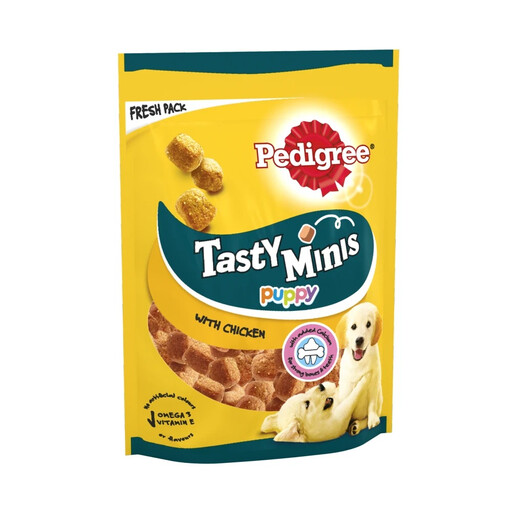
Why This Fits Their Persona: Perfect for UK households with a new puppy. These small, chewy cubes are ideal for training and rewarding, and they are specifically formulated for a growing dog's needs.
It directly avoids the 'one-size-fits-all' trap by being explicitly designed for puppy treats from 4 to 18 months, with clear feeding guidelines.
Enriched with Calcium to support developing teeth and bones and Omega 3 for overall vitality. The small size is perfect for frequent rewards during training.
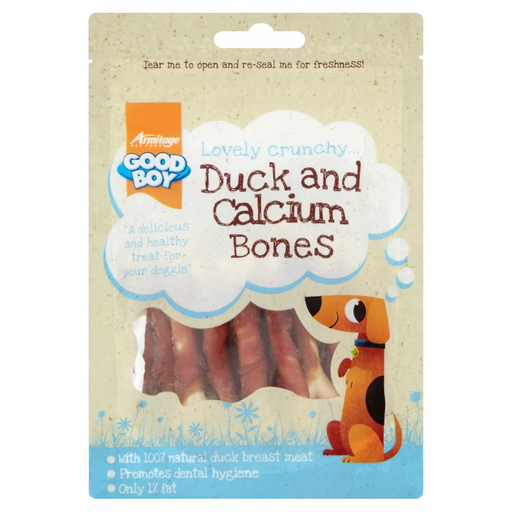
Why This Fits Their Persona: For the owner who scrutinises every label. This treat is for those seeking high-protein, low-fat options with transparent, natural ingredients for their dog.
It counters the 'natural illusion' and 'hidden fats' traps. The recipe is made with 100% natural duck breast meat and has only 1% fat content, with no artificial additives.
A high-protein (28%) and exceptionally low-fat treat. It is also wheat-free and contains added calcium to help support strong teeth and bones.
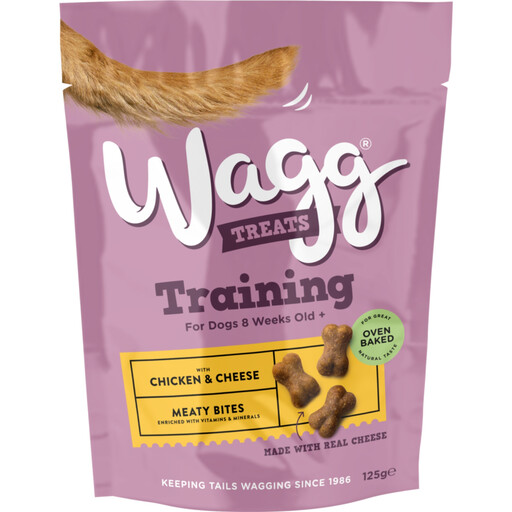
Why This Fits Their Persona: An excellent choice for owners who do a lot of training and need a cost-effective supply of treats. This multi-pack from Wagg dog treats offers great value without compromising on suitability for frequent use.
This option directly addresses the 'hidden sugars' trap with its no added sugar recipe. The multi-pack format also provides better value than buying single, expensive 'gourmet' training treats.
Great value with a pack of 7. These treats are suitable for dogs from 8 weeks old and are enriched with vitamins and minerals to support daily health.
We have compiled a complete, real-time list of products that fully satisfy these strict selection criteria and UK safety regulations.
A widely accepted guideline is the 10% rule: treats should not make up more than 10% of your dog's daily caloric intake. If you are using a lot of treats for training, it's important to reduce the portion size of their main meal accordingly to prevent weight gain. Always check the feeding guide on the packaging for specific recommendations.
Grain-free treats can be beneficial for dogs with specific grain allergies or sensitivities, which may manifest as skin irritation or digestive upset. However, most dogs digest grains perfectly well. A grain-free diet is not inherently superior for every dog. The most important factor is the overall quality of the ingredients, whether they include grains or not.
This is a crucial distinction. 'Complete' pet food, like your dog's main kibble or wet food, is nutritionally balanced to provide all the nutrients your dog needs to stay healthy. 'Complementary' pet food, which includes almost all dog treats and dog chews, is not. It is intended to be fed as a treat alongside a complete and balanced diet and should not be used as a meal replacement.