
24/7 Customer Support

Free returns

Same-day & Next-day Delivery

Quality Guaranteed

Unlock Your Welcome Offers: FREE Delivery | Up to 80% OFF | Free 30-day JoyPlus trial
Download the APP
As a nation of dog lovers, we want to give our companions the very best. Yet, a walk down the pet food aisle can be overwhelming. The shelves are packed with dog treats of every shape, size and flavour, all promising to be the perfect reward. But with so much marketing clutter, it's easy to fall into common purchasing traps that are neither good for your dog nor your wallet.
As the Joybuy Product Recommendation Officer, my role is to help you see past the hype. Let's look at the most frequent pitfalls UK dog owners face and how to choose treats that genuinely contribute to your dog's well-being.
natural dog treats can still contain vague ingredients like "meat and animal derivatives," high levels of sugar or salt for palatability and artificial additives hidden in the fine print. A truly natural product will have a clear, simple ingredient list.long lasting dog chews without considering the potential for choking hazards or digestive issues, highlighting the growing preference for rawhide free chews in many cases.To make an informed choice, focus on the product label. Here are the three most important areas to analyse.
This is the most reliable source of information. Ingredients are listed by weight, so the first few items make up the bulk of the treat.
meaty dog treat.low fat dog treats with a fat content typically under 5%.grain free dog treats that are also free from wheat and soya are an excellent choice.Consider why you are giving the treat. The ideal choice will differ depending on the situation.
training treats for dogs that won't disrupt their main meals.Dental dog chews work through mechanical abrasion. Their firm, often textured, surfaces help scrape away plaque and tartar as the dog chews.long lasting dog chew is ideal. Always ensure the size is appropriate for your dog to prevent choking.A growing dog has different needs from a senior one.
puppy treats suitable for their age (e.g., "from 3 months"). These are typically softer to be gentle on developing teeth and formulated for sensitive digestion.Based on these practical criteria, here are a few recommendations from our catalogue, matched to specific owner needs.
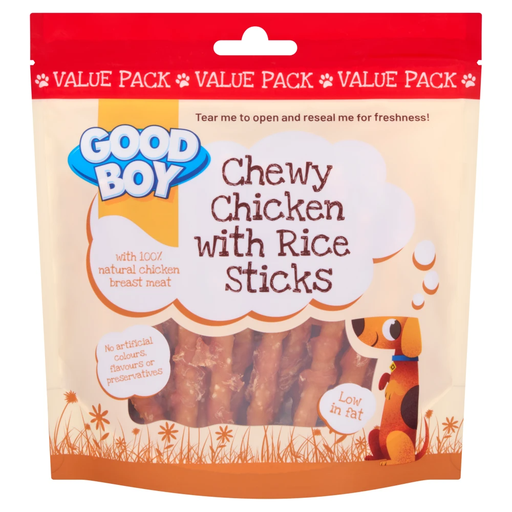
Why This Fits Their Persona: You prioritise clean ingredients and want a treat that supports a healthy diet. These sticks are ideal for rewarding your dog without guilt, especially if you are managing their weight.
It counters the "natural illusion" and misleading protein claims with a clear label: 77% chicken breast meat is the first ingredient. It is also a rawhide-free chew.
Extremely low fat content at just 1.5%. Free from artificial colours, flavours and preservatives, making it a genuinely healthy dog treat.
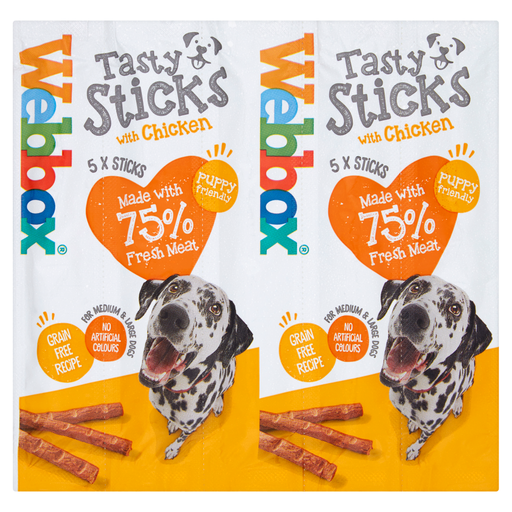
Why This Fits Their Persona: You're navigating the challenges of training a new puppy and need a high-value reward that is safe for their developing system. These sticks are perfect for positive reinforcement.
This avoids the "one-size-fits-all" trap by being specifically formulated for puppies from 3 months old. The soft texture is gentle on young teeth and gums.
The grain-free recipe is ideal for sensitive puppy stomachs, and the high meat content (75% fresh meat) provides quality protein for healthy growth.
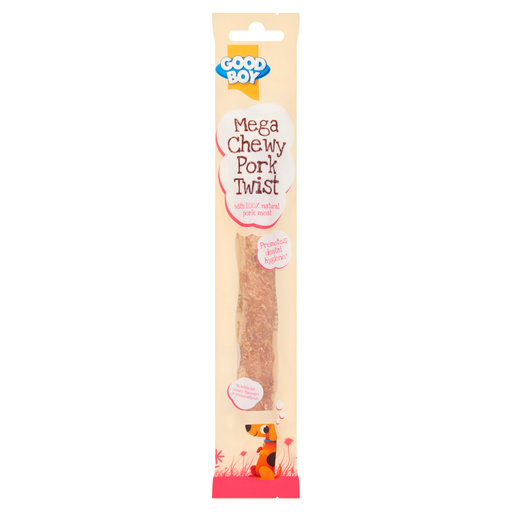
Why This Fits Their Persona: Your dog needs a serious chewing challenge to keep them occupied and support their dental health. You're looking for a durable treat that provides long-lasting engagement.
This treat is purpose-built for chewing. It avoids the "natural illusion" by combining a rawhide centre with 41% real pork, offering a clear and flavourful protein source alongside the durable texture.
This is a long lasting dog chew that promotes dental hygiene through the natural abrasive action of chewing. It is also high in protein (65%) and free from wheat and cereals.
We have compiled a complete, real-time list of products that fully satisfy these strict selection criteria and UK safety regulations.
A widely accepted guideline is the 10% rule: treats should make up no more than 10% of your dog's total daily calorie intake. Always check the feeding guide on the packaging for specific recommendations based on your dog's size and weight, and remember to adjust their main meal portion accordingly to maintain a healthy body condition.
Not necessarily. Grain free dog treats are primarily beneficial for dogs with a diagnosed grain allergy or sensitivity. For most dogs, whole grains can be a healthy part of a balanced diet. If you suspect your dog has a food sensitivity, it is always best to consult your vet. The key is to choose treats with high-quality, digestible ingredients, whether they contain grain or not.
This is a crucial distinction. A 'complete' food, like Webbox Chub Rolls, is nutritionally balanced to be fed as a dog's main meal. A 'complementary' food, which includes almost all dog treats, is designed to be given as a snack or reward alongside a complete diet. Treats do not contain the full spectrum of vitamins and minerals your dog needs to thrive and should always be given in moderation.