
24/7 Customer Support

Free returns

Same-day & Next-day Delivery

Quality Guaranteed

Unlock Your Welcome Offers: FREE Delivery | Up to 80% OFF | Free 30-day JoyPlus trial
Download the APP
As a nation of dog lovers, we enjoy rewarding our four-legged companions. Yet, the sheer variety of dog treats on the market can be overwhelming. Navigating the aisles, both physical and virtual, often feels like a chore, with packaging full of appealing claims that can sometimes be confusing. As the Joybuy Product Recommendation Officer, my role is to help you see past the marketing jargon and make informed choices for your dog. Let's look at a few common pitfalls that can lead to disappointing or unsuitable purchases.
1. The "Natural" Label Ambiguity: The term "natural" is used widely, but its meaning can be vague. A treat labelled as a natural dog treat might still be high in fat or contain sugars. It's crucial to look beyond this single word and examine the full ingredient list to understand what you're actually feeding your pet.
2. The One-Size-Fits-All Myth: A treat that's perfect for a large Labrador could be a potential choking hazard or simply too calorific for a small terrier. Likewise, the needs of a growing puppy are very different from those of a senior dog. Choosing a treat without considering your dog's specific size, age and chewing habits is a frequent misstep.
3. Hidden Sugars and Fillers: Many popular dog biscuits and treats use inexpensive fillers like cereals or add various sugars and syrups to improve palatability. While not inherently harmful in small amounts, these ingredients offer little nutritional value and can contribute to unnecessary weight gain if given too frequently.
To avoid these traps, focus on a few key parameters. This simple checklist will help you select treats that are appropriate, enjoyable and align with your dog's dietary needs.
The ingredients list is your most reliable source of information. Look for treats where a specific source of protein, like chicken, beef, or fish, is listed as one of the first ingredients. This is often a good indicator of a higher-quality, healthy dog treat. Be mindful of vague terms like "meat and animal derivatives," which can refer to a mix of unspecified animal parts. For dogs with sensitivities, single-protein treats are often a safer choice. Also, check for the absence of artificial colours, flavours and preservatives if you're seeking a more natural option.
Not all treats serve the same function. Consider why you are giving the treat:
A dog's needs change throughout its life. Puppy treats are generally softer to be gentle on developing teeth and gums and are sized appropriately for smaller mouths. For adult dogs, the size of the treat should match the size of the breed to ensure it's a satisfying reward and not a hazard.
Based on these practical criteria, here are a few options from our catalogue, matched to different types of dog owners and their needs.
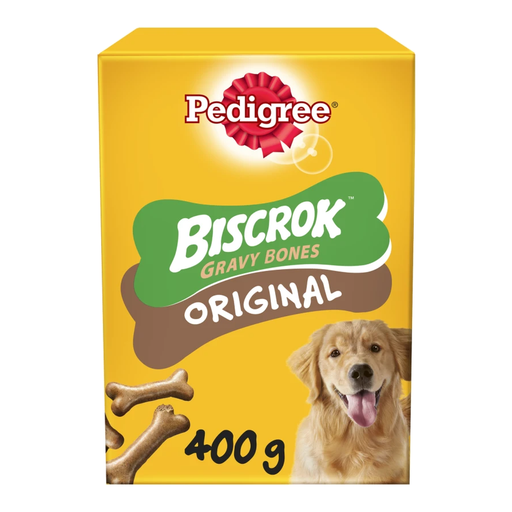
Why This Fits Their Persona: This is a classic, widely available choice for owners who want a simple, crunchy biscuit for general rewarding. It's an affordable and reliable option for daily use without needing specialist features.
It directly counters the "one-size-fits-all" trap by providing clear feeding guidelines for small, medium and large dogs, helping owners portion correctly.
Fortified with Omega 3, vitamins and minerals. The crunchy, baked texture is satisfying for many dogs.
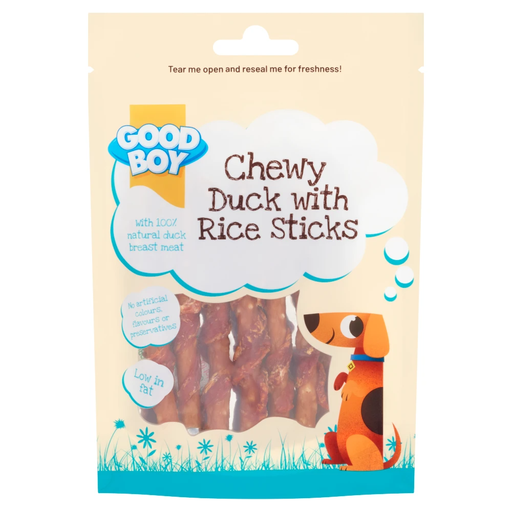
Why This Fits Their Persona: This owner carefully reads labels, prioritising high-protein, low-fat and clearly sourced ingredients. These treats meet that need with a high meat content and a simple, rawhide-free formula.
It avoids the "natural" ambiguity and hidden fillers trap. The label clearly states it's made with 79% duck breast and is a low fat dog treat (3% fat), providing transparency.
High protein content (32%) from a single meat source. The rawhide-free composition may be preferable for dogs with sensitive digestion.
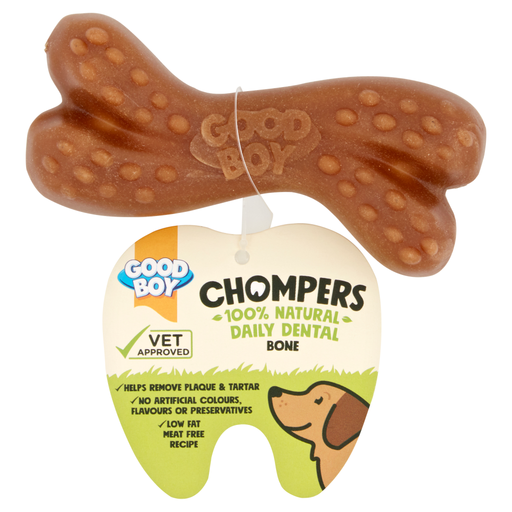
Why This Fits Their Persona: This owner wants a treat that does more than just taste good; they want it to actively contribute to their dog's oral hygiene. This product is specifically designed for that purpose.
This is a purpose-built dental dog chew, not a generic biscuit claiming dental benefits. Its meat-free, low-fat recipe also avoids the trap of hidden calories common in some chews.
The product description states it is vet-approved and designed to help remove plaque and tartar. It contains natural ingredients like mint and parsley.
We have compiled a complete, real-time list of products that fully satisfy these strict selection criteria and UK safety regulations.
A widely accepted guideline is that treats should not make up more than 10% of your dog's total daily calorie intake. Always check the feeding instructions on the packaging, as the recommended amount will vary based on the treat's size and calorie content, as well as your dog's weight. Remember to reduce their main meal portion accordingly to maintain a healthy weight.
While grain-free diets have become popular, they are not automatically better for every dog. A true grain allergy is relatively uncommon. For most dogs, grains like wheat and corn can be a useful source of energy and nutrients. The overall quality and balance of the ingredients in a treat are more important than simply whether it contains grain or not. If you suspect your dog has a food sensitivity, it is always best to consult with your vet.
The main differences lie in size, texture and sometimes formulation. Puppy treats are typically smaller to suit smaller mouths and softer to be gentle on developing teeth and jaws. Adult treats can be larger and harder. While many treats are suitable for all life stages (usually after 8-12 weeks), those specifically designed for puppies are tailored to their unique developmental stage.