
24/7 Customer Support

Free returns

Same-day & Next-day Delivery

Quality Guaranteed

Unlock Your Welcome Offers: FREE Delivery | Up to 80% OFF | Free 30-day JoyPlus trial
Download the APP
As a nation of dog lovers, we want to reward our companions with treats that are both delicious and beneficial. However, navigating the crowded aisles of dog treats in the UK can be a confusing experience. With so many options, it's easy to fall for marketing hype and end up with products that don't live up to their promises. My role is to help you see past the clever packaging and make informed choices for your furry friend.
Before you add another bag of treats to your basket, let's look at a few common pitfalls that can lead to wasted money and poor choices for your dog's health.
To ensure you're buying a quality product, focus on these three practical checks. This simple process will help you find treats that are appropriate, healthy and offer good value.
The ingredients are listed by weight, so the first few items make up the bulk of the treat. Look for a high percentage of a clearly named meat source, such as "chicken breast" or "beef meal," rather than vague terms like "meat and animal derivatives." This is the most reliable indicator of a high-quality, healthy dog treat. If you're looking for grain free dog treats, check that the alternative carbohydrates (like potato or pea starch) are suitable for your dog.
This section on the packaging provides a breakdown of the treat's nutritional content. Here’s what to look for:
Different treats serve different functions. Understanding this helps you choose the most effective option:
Based on the criteria above, here are a few recommendations tailored to different types of UK dog owners.
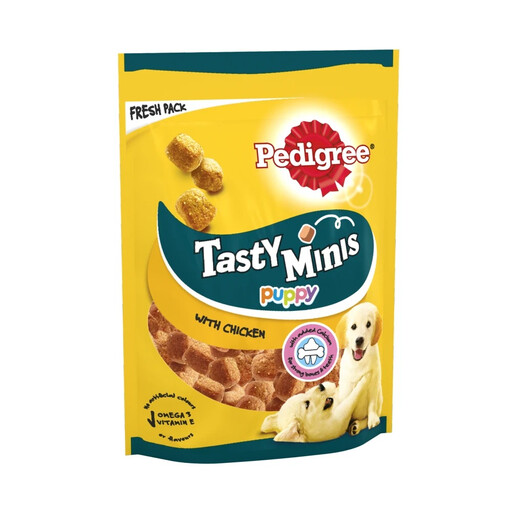
Why This Fits Their Persona: Perfect for house training and rewarding a new puppy. These treats are small, soft and specifically designed for young dogs, making them an ideal choice for a first-time puppy treats buyer.
It avoids the "one-size-fits-all" trap by being clearly labelled for puppies from 4 to 18 months, with added calcium to support developing bones and teeth.
Formulated with Omega 3 and essential vitamins. The small, chewy cube shape is ideal for training without providing excessive calories.
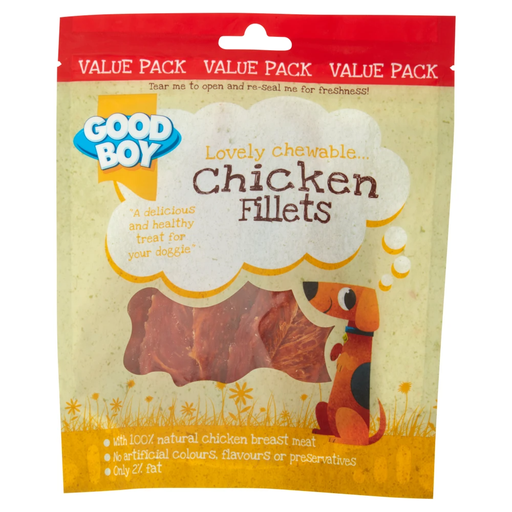
Why This Fits Their Persona: For owners who prioritise simple, high-quality ingredients. These are excellent chicken dog treats made with a very high meat content, appealing to those seeking a high-protein, low-fat reward.
This product cuts through the "natural" illusion with a clear composition: 87% chicken breast. It also avoids the hidden calorie trap with a very low fat content of just 2%.
Extremely high in protein (42%) to support muscle health. The simple, meat-first recipe is great for dogs and reassuring for owners.
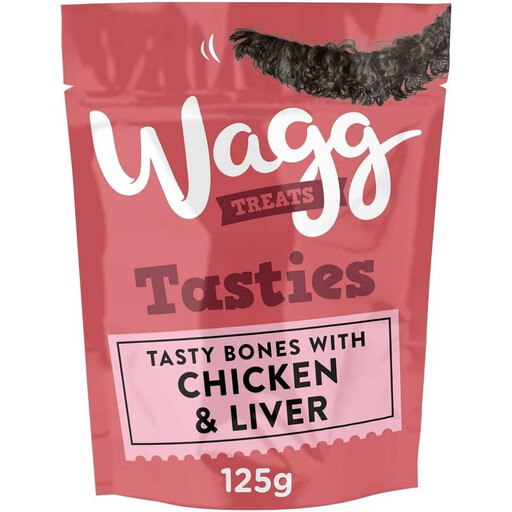
Why This Fits Their Persona: An excellent choice for multi-dog households or owners who use treats regularly for rewards and need a cost-effective solution. This is a great option for those looking to buy bulk dog treats.
This multipack offers clear value for money, avoiding the high cost-per-treat of single packs. The nutritional information is clear, with a moderate fat content (4%) suitable for everyday snacking.
Comes in a convenient pack of seven 125g bags, making storage easy and keeping the treats fresh. Suitable for dogs from 8 weeks old.
We have compiled a complete, real-time list of products that fully satisfy these strict selection criteria and UK safety regulations.
A common guideline is that treats should not make up more than 10% of your dog's daily calorie intake. The feeding guide on the packaging will provide specific advice based on your dog's size. Always remember to reduce their main meal portion accordingly to maintain a healthy weight.
Not necessarily. Grain-free dog treats are essential for dogs with a diagnosed grain allergy or sensitivity. For most dogs, whole grains can be a healthy part of their diet. The trend towards "grain-free" is often a marketing choice. The most important factor is the overall quality and digestibility of the ingredients, whether they include grains or not.