
24/7 Customer Support

Free returns

Same-day & Next-day Delivery

Quality Guaranteed

Unlock Your Welcome Offers: FREE Delivery | Up to 80% OFF | Free 30-day JoyPlus trial
Download the APP
As a nation of dog lovers, we want to give our companions the very best. Yet, the world of dog treats can be a confusing place, filled with appealing packaging and bold claims. Choosing the right snack is about more than just a wagging tail; it's about supporting their health, training and overall happiness. This guide cuts through the clutter to help you identify what truly matters when you're next browsing the treat aisle.
Before you add anything to your basket, be aware of these common pitfalls that can lead to poor choices for your pet and a waste of your money.
To make an informed decision, focus on these key parameters on the product label. They provide a much clearer picture than the marketing slogans on the front.
The ingredients list is your most powerful tool. In the UK, ingredients must be listed in descending order of weight. For a high-quality treat, look for a specific, named meat source (e.g., "Duck Breast," "Chicken") as the first or second ingredient. If "Cereals" or vague terms like "Meat and Animal Derivatives" are at the top, the treat is likely a lower-grade, filler-based product. This is the simplest way to find genuinely healthy dog treats.
Just like with our own food, checking the nutritional information is crucial. Look for the "Analytical Constituents" section. For many dogs, especially those who are less active or prone to weight gain, choosing low fat dog treats is a sensible approach. A fat content of under 5% is generally considered low. Also, be wary of hidden sugars. Ingredients like sorbitol, glycerol or various sugars are often added for taste and texture but provide little nutritional benefit.
Not all treats serve the same function. Understanding the different types helps you choose the right one for the right situation:
Based on a clear purpose and transparent ingredients, here are a few options that align with different needs and avoid the common pitfalls.
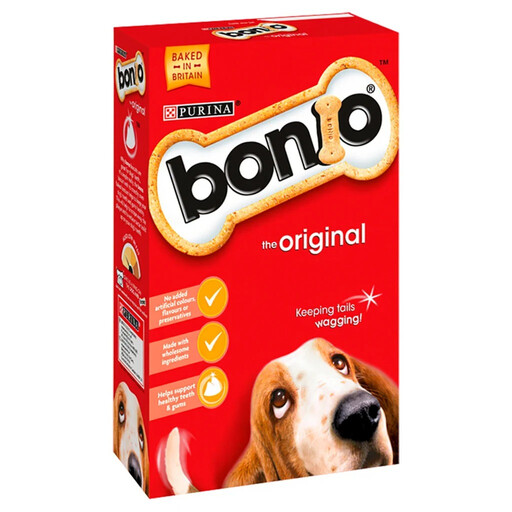
Why This Fits Their Persona: For owners who give a daily biscuit as a simple sign of affection, this is a reliable and economical choice. It's a classic, no-fuss treat that many UK dogs have enjoyed for generations.
It is transparently a cereal-based biscuit and doesn't pretend to be a high-meat treat, avoiding the misleading protein trap. The low-fat claim (4.5%) is clearly stated and verifiable.
The oven-baked, crunchy texture provides a satisfying chew. It is also enriched with vitamins and minerals, adding some nutritional value to a daily treat.
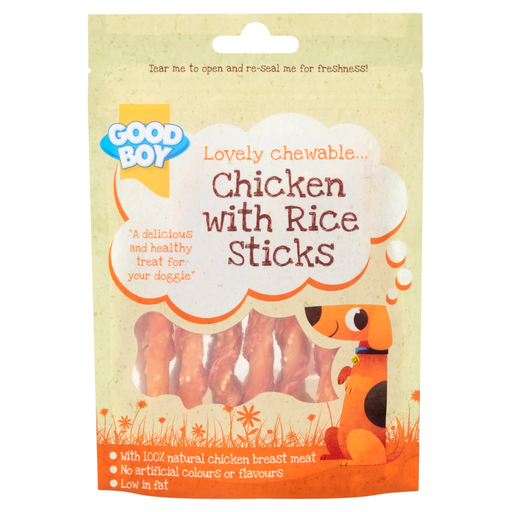
Why This Fits Their Persona: Ideal for owners who prioritise high-quality ingredients for training or as a special reward. The focus on real meat makes it a high-value treat that can keep a dog's attention.
It sidesteps the "natural" illusion and protein traps by clearly stating Chicken Breast 77% as the main ingredient. There is no ambiguity about the quality of the protein source.
It has a very low fat content (1.5%) and a high protein content (32%) from a specified meat source. It is also free from artificial colours and flavours.
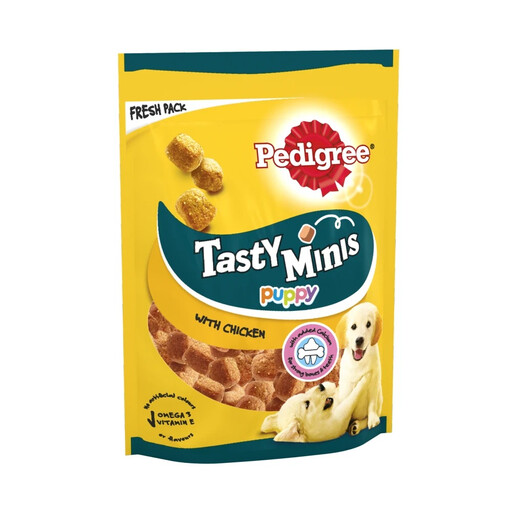
Why This Fits Their Persona: Perfect for those navigating the early days of puppyhood. These treats are specifically designed for young dogs, making them an appropriate choice for training and rewarding from a young age (4+ months).
As a purpose-built puppy training treat, it avoids the trap of giving an adult treat that may be too hard or nutritionally unsuitable. The focus is on puppy-specific needs rather than broad claims.
These treats are enriched with calcium to support developing teeth and bones and Omega 3 for overall vitality. The soft, chewy texture is ideal for a puppy's mouth.
We have compiled a complete, real-time list of products that fully satisfy these strict selection criteria and UK safety regulations.
1. How many treats can I give my dog each day? A widely accepted guideline is the 10% rule: treats should make up no more than 10% of your dog's total daily calorie intake. Always check the feeding guide on the packaging, as recommendations vary based on the treat's size and calorie content, as well as your dog's weight and activity level. When you give treats, it's good practice to slightly reduce the portion of their main meal to maintain a healthy weight.
2. Are grain-free dog treats always a better choice? Not necessarily. Grain-free diets are essential for dogs with a diagnosed grain allergy or sensitivity. For most dogs, however, high-quality whole grains like wholegrain cereals can be a beneficial source of energy and fibre. The overall quality of the ingredients is more important than simply being "grain-free." A treat with poor-quality meat substitutes is not superior to a well-formulated treat that contains wholesome grains.
3. What is the main difference between a 'dog chew' and a 'dog biscuit'? The primary difference is their purpose and duration. A dog biscuit is typically a hard, crunchy snack that is eaten quickly. It's used as a simple, immediate reward. A dog chew, on the other hand, is designed to be a long-lasting activity. It satisfies a dog's innate need to gnaw, which can help relieve boredom and anxiety. The prolonged chewing action of a good quality chew can also be more effective at physically scraping plaque from teeth compared to a quick-to-eat biscuit.