
24/7 Customer Support

Free returns

Same-day & Next-day Delivery

Quality Guaranteed

Unlock Your Welcome Offers: FREE Delivery | Up to 80% OFF | Free 30-day JoyPlus trial
Download the APP
As a nation of dog lovers, we want to give our companions the very best. Yet, the world of dog treats can be a confusing place, filled with colourful packaging and appealing claims. It’s easy to end up with a cupboard full of treats your dog either ignores or, worse, that don’t align with their health needs. Before you make your next purchase, it’s worth knowing about a few common pitfalls that can lead to wasted money and disappointment.
Navigating the options requires looking beyond the front of the pack. Here are a few things to be mindful of:
To choose wisely, focus on the information on the back of the packet. A few key parameters will tell you almost everything you need to know about the quality and suitability of a treat for your dog.
The ingredients are listed by weight, so the first three to five items make up the bulk of the treat. Look for recognisable, whole-food ingredients like chicken, sweet potato, or peas. Be cautious of vague terms like "meat and animal derivatives" or "cereals," which don't specify the source. For dogs with sensitivities, finding hypoallergenic dog treats that are free from common allergens like wheat, soy and dairy is crucial.
Different treats serve different functions. Understanding what you need will help narrow your search:
To help you find a suitable match, we've identified a few products that align with the needs of different UK dog owners.
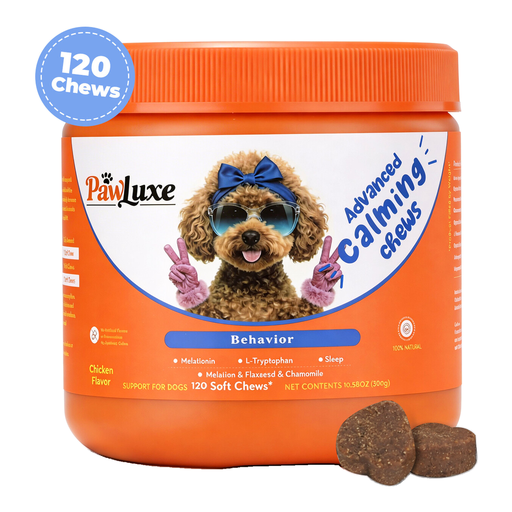
Why This Fits Their Persona: Ideal for owners whose dogs show signs of stress related to travel, loud noises or separation. This chew is formulated as a supportive supplement to help promote a sense of calm.
It avoids vague functional claims by listing specific quantities of active ingredients like Organic Chamomile (60mg), L-Theanine (21mg) and Valerian Root.
Features a proprietary blend of calming ingredients alongside Glucosamine for added joint support, making it a multi-functional chew.
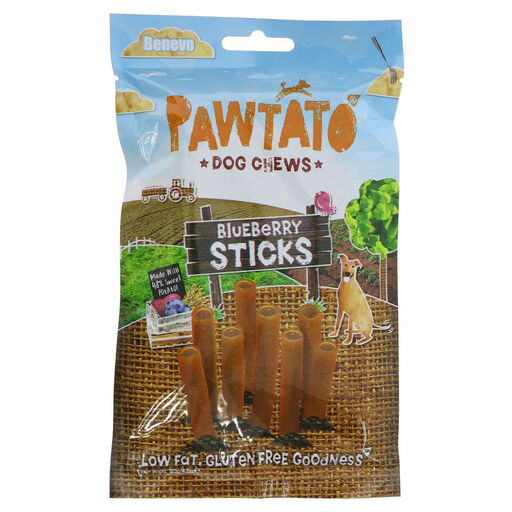
Why This Fits Their Persona: A great choice for owners of dogs with common food sensitivities or those on a plant-based diet. These chews are specifically formulated to be hypoallergenic.
This product counters the "natural" illusion by being explicitly free from gluten, wheat, egg, dairy, meat and soya, providing clarity for owners managing allergies.
Made from organically grown sweet potato, these are low-fat and contain no added sugar or salt, making them one of the cleaner healthy dog chews available.
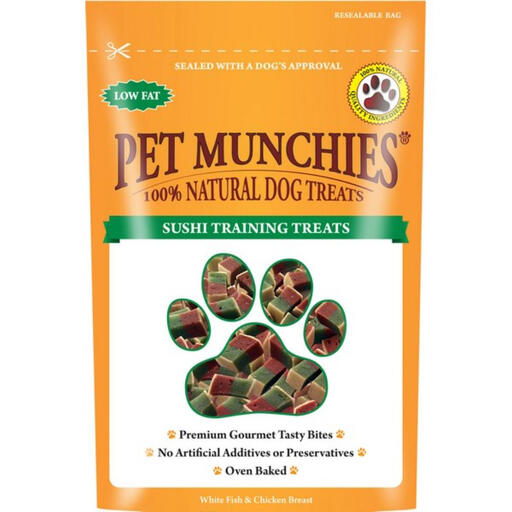
Why This Fits Their Persona: Perfect for owners who need high-value rewards for training, including those with puppies. These treats are soft, palatable and can be broken into smaller pieces.
The ingredient list is transparent and high-quality, with 79.6% human-grade chicken breast as the main component, avoiding the trap of ambiguous meat fillers.
These are excellent puppy training treats (from 4 months) as they are naturally low in fat, wheat and gluten-free, and contain no artificial additives.
We have compiled a complete, real-time list of products that fully satisfy these strict selection criteria and UK safety regulations.
1. How many treats can I give my dog each day? There is no single answer, as it depends on the treat's calorie count and your dog's size, age and activity level. A good rule of thumb is that treats should not make up more than 10% of your dog's total daily caloric intake. Always check the feeding guidelines on the packaging for specific recommendations and provide fresh drinking water.
2. Are grain-free dog treats always a healthier choice? Not necessarily. Grain-free diets are essential for dogs with a diagnosed grain allergy or sensitivity. For most dogs, high-quality whole grains can be a beneficial part of their diet. The overall quality of the ingredients is more important than simply being "grain-free." A treat filled with potato starch and other fillers may be less nutritious than one containing a small amount of a whole grain like oats or brown rice.
3. What is the difference between a dog treat and a dog supplement? While they can look similar, their purpose is different. A standard dog treat is primarily for reward and enjoyment. A natural dog supplement, on the other hand, is formulated to provide a functional health benefit. These products contain specific active ingredients in measured doses to support areas like joint health, digestion or calming, and they function more like a daily vitamin than an occasional snack.