
24/7 Customer Support

Free returns

Same-day & Next-day Delivery

Quality Guaranteed

Unlock Your Welcome Offers: FREE Delivery | Up to 80% OFF | Free 30-day JoyPlus trial
Download the APP
As a nation of dog lovers, we want to give our companions the very best. Yet, stepping into the dog treat aisle can be overwhelming. With shelves packed with promises of health, happiness and perfect behaviour, it's easy to fall into common purchasing traps. Many products with appealing packaging can hide ingredients that don't live up to the hype, leading to wasted money and, potentially, unhappy tummies.
As the Joybuy Product Recommendation Officer, my role is to help you navigate this crowded market. Let's cut through the clutter and focus on what truly matters. Here are a few common pitfalls to watch out for:
By learning to read between the lines on the packaging, you can make a more informed choice for your four-legged friend.
Choosing the right treat becomes much simpler when you know which core parameters to check. Before you buy, take a moment to analyse these key details to ensure you're getting what you pay for.
The ingredients list, or composition, is your most powerful tool. Ingredients are listed in order of weight, so the first few items make up the bulk of the treat.
Not all treats serve the same purpose. Consider why you are giving your dog a treat:
Your dog's individual health requirements are paramount.
Based on these practical criteria, here are a few recommendations matched to different owner needs and priorities.
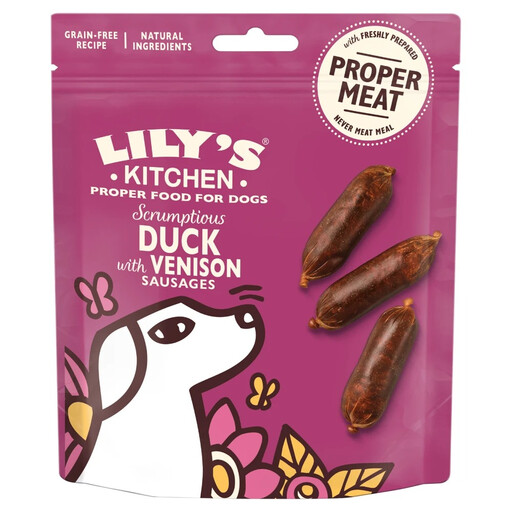
Why This Fits Their Persona: This owner prioritises clean, understandable ingredients. They want a treat that feels as wholesome as the food they'd cook themselves, avoiding grains and artificial additives for their dog's well-being.
It directly counters the vague ingredients trap. The composition clearly states "Duck (70%)" and "Venison (4%)", leaving no doubt about the high meat content. It's also a grain-free recipe made with natural ingredients.
Made with proper meat and offal for a high-protein, satisfyingly chewy texture. The packaging is also recyclable, which is a plus for environmentally conscious consumers.
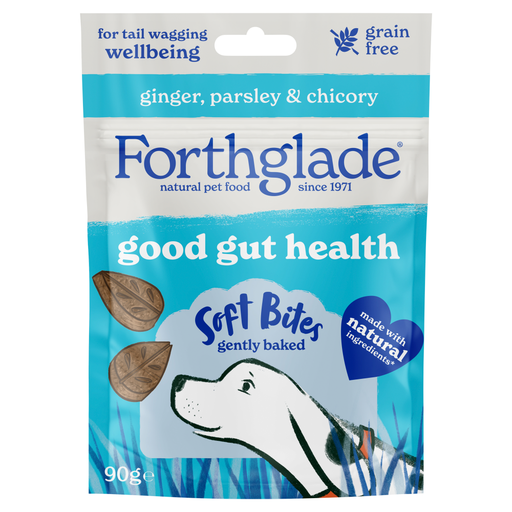
Why This Fits Their Persona: This owner needs a treat that is suitable for young dogs, easy to handle during training sessions and gentle on a developing digestive system. Convenience and functionality are key.
It avoids the "one-size-fits-all" approach. It is explicitly suitable for dogs from 2 months+ and has a soft-bite texture that can be easily broken, making it perfect for both puppies and training rewards.
This is a functional, grain-free treat with added ingredients like ginger and chicory to support digestive health. The resealable pouch maintains freshness for on-the-go training.
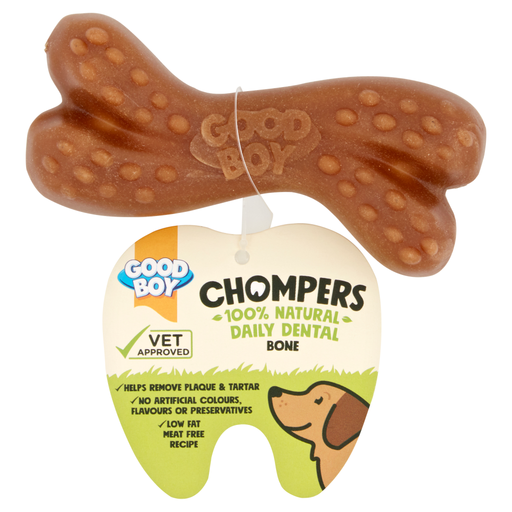
Why This Fits Their Persona: This dog owner is focused on proactive health maintenance, particularly oral hygiene. They are looking for a daily treat that serves a clear purpose in helping to keep their dog's teeth clean.
It sidesteps the "dental chew illusion" by being a purpose-built product. It is vet-approved and specifically designed with a texture that helps reduce plaque and tartar rather than just being a hard biscuit.
This is a low-fat, meat-free recipe, making it suitable for a wide range of dogs. The inclusion of mint and parsley also helps to freshen breath naturally.
We have compiled a complete, real-time list of products that fully satisfy these strict selection criteria and UK safety regulations.
A good rule of thumb is that treats should not make up more than 10% of your dog's total daily calorie intake. Always check the feeding guide on the packaging for specific recommendations based on your dog's size and weight. Remember to adjust their main meal accordingly to maintain a healthy body condition.
Not necessarily. Grain-free dog treats are essential for dogs with a diagnosed grain allergy or sensitivity. For most dogs, high-quality whole grains can be a healthy source of nutrients and energy. The overall quality of all ingredients in the treat is more important than simply whether it contains grain or not.
When choosing puppy treats, look for products specifically labelled as suitable for their age (e.g., "from 8 weeks+"). The ideal treat will have a softer texture to be gentle on their developing teeth and gums. It should also be small in size or easily breakable, to prevent any choking hazards and to allow for frequent rewards during training without overfeeding.