
24/7 Customer Support

Free returns

Same-day & Next-day Delivery

Quality Guaranteed

Unlock Your Welcome Offers: FREE Delivery | Up to 80% OFF | Free 30-day JoyPlus trial
Download the APP
As a nation of dog lovers, we enjoy rewarding our four-legged friends. Yet, the sheer variety of dog treats on the shelves can be overwhelming. Packaging often features appealing images and enticing claims, but choosing the right treat involves more than just picking the most colourful bag. Many owners find themselves with treats their dogs won't eat or, worse, snacks that are unsuitable for their pet's health.
Navigating the world of dog treats means looking past the marketing. Here are a few common pitfalls UK dog owners encounter:
To make an informed choice, focus on a few core parameters that cut through the clutter. By checking the label for this information, you can find a treat that is both enjoyable and appropriate for your companion.
The ingredients list is your most powerful tool. In the UK, ingredients must be listed in descending order of weight. This means the first few ingredients make up the bulk of the treat.
Different treats serve different functions. Understanding what you want the treat to achieve will help narrow your search.
To help you find a starting point, we've matched some popular options to different owner needs and priorities.
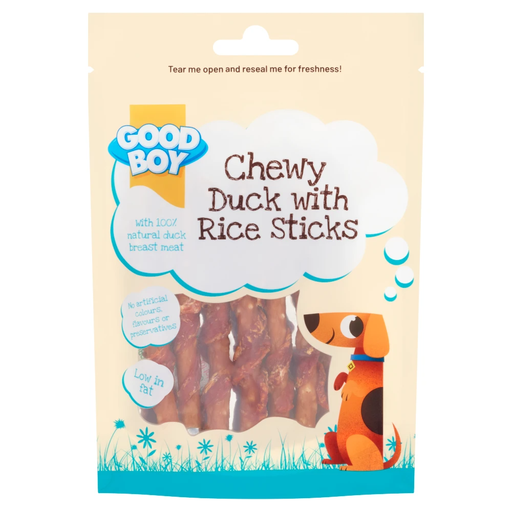
Why This Fits Their Persona: This owner prioritises clean, simple ingredients and is wary of fillers. These treats are made with a high percentage of a single, named protein source and are free from common allergens and artificial additives.
It counters the "natural illusion" by clearly stating Duck Breast (79%) as the main ingredient, leaving no room for ambiguity. It is also rawhide-free, making it a more digestible option.
High in protein (32%) from a quality source and exceptionally low in fat (3%), making it a lean, muscle-supporting snack. Contains no artificial colours, flavours or preservatives.
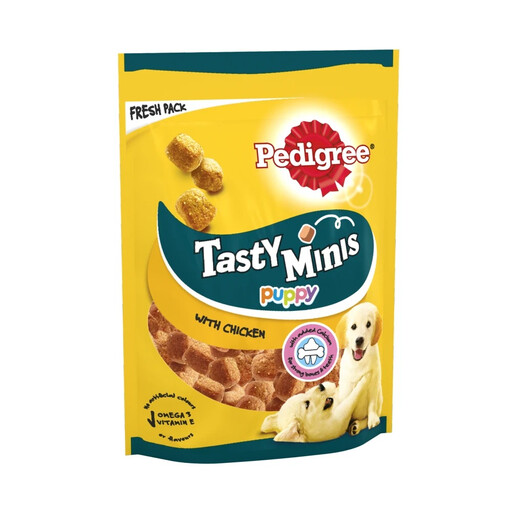
Why This Fits Their Persona: New puppy owners need treats that are safe, appropriately sized and beneficial for a growing dog. These are specifically designed for puppies, making them ideal for early-stage training and rewarding.
This product directly avoids the "one-size-fits-all" danger. Its soft, chewy, bite-sized cube form is safe for young mouths, and the formula is specifically for puppies from 4 to 18 months.
Enriched with Calcium (1.3%) to support the development of strong teeth and bones and Omega 3 fatty acids to help keep a puppy fit and healthy. Perfect for positive reinforcement training.
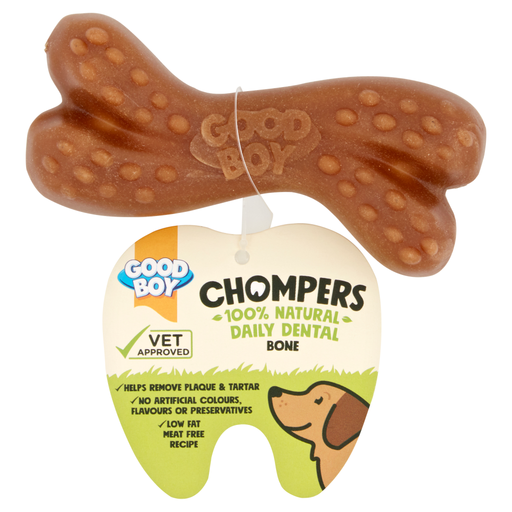
Why This Fits Their Persona: This owner is looking for a functional treat that actively contributes to their dog's oral hygiene. They want a product with a clear purpose beyond just being a snack.
It avoids the "low-fat fallacy" by being a naturally low-fat (2%), meat-free recipe based on sweet potato and pea starch. It doesn't rely on sugar or salt for flavour, instead using ingredients like mint and parsley.
Vet-approved and specifically designed to help remove plaque and tartar through chewing action. The meat-free recipe makes it suitable for dogs with certain protein sensitivities.
We have compiled a complete, real-time list of products that fully satisfy these strict selection criteria and UK safety regulations.
1. How many dog treats can I give my dog a day? A widely accepted guideline is the 10% rule: treats should not make up more than 10% of your dog's total daily calorie intake. Check the feeding guide on the packaging, which often provides recommendations based on your dog's size and always adjust their main meal accordingly to maintain a healthy weight.
2. Are grain-free dog treats better for my dog? Not necessarily for every dog. Grain free dog treats are essential for dogs with a diagnosed grain allergy or sensitivity. For most other dogs, grains can be a source of wholesome nutrients. The overall quality of the ingredients is more important than simply whether a treat is grain-free or not. If you suspect a food sensitivity, it is always best to consult your vet.
3. When can I start giving my puppy treats? Most commercial puppy treats are labelled as suitable for puppies from 4 months of age. This is because younger puppies have very sensitive digestive systems and developing teeth. Always choose treats specifically formulated for puppies, as they are softer and appropriately sized. Check the product's packaging for the recommended minimum age before feeding.